History is heavy. It smells of old parchment, damp wool coats from nineteenth-century winter galas, and thirty coats of lead-based white paint. It weighs down floorboards that have groaned under the polished shoes of foreign kings, suffragettes, wartime presidents, and jazz legends.
Walk through the doors of 1600 Pennsylvania Avenue today, and you can almost hear the ghosts clearing their throats. But beneath that polite, spectral murmur, you will now hear something else. The sharp, concussive stutter of a pneumatic drill.
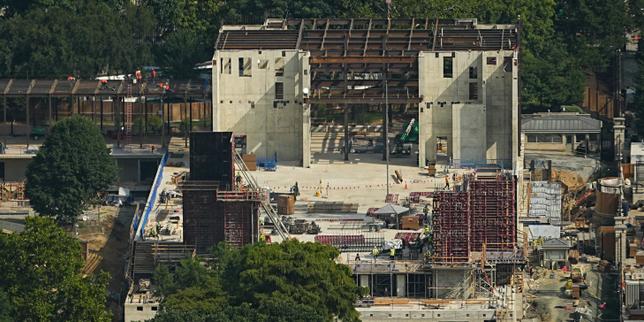
The Supreme Court has spoken. The heavy machinery is moving in. And the grand, protracted battle over a gleaming new ballroom on the grounds of the executive mansion has reached its final, unyielding chapter.
To understand why a simple construction project could tear at the seams of America's national conscience, you have to look past the cold press releases and peer into the crowded rooms of Washington hosting traditions. For decades, the presidency has lived a double life. Outwardly, it is an austere temple of democracy. Inwardly, it is a bustling, cramped boutique hotel trying to host state dinners for two hundred dignitaries while operating out of a kitchen designed when horse-drawn carriages were still parked on the gravel drive.
Imagine trying to orchestrate a state visit for a foreign head of state. The pomp is blinding. The red carpets are rolled out. The TV cameras capture the glowing smiles on the South Portico. But step backstage, and the panic is absolute.
Staff members are sprinting across rain-slicked lawns carrying silver trays covered in plastic wrap because the East Room has no direct kitchen access. Tents must be erected, torn down, and re-erected on the South Lawn every time a foreign leader demands a marquee evening under the stars. The weather becomes a geopolitical stressor. A sudden thunderstorm threatens a diplomatic dinner worth millions in soft power diplomacy, turning crisp tuxedos into soggy, anxious dampness.
For generations, commanders-in-chief eyed the sprawling lawns with a quiet, desperate ambition. They wanted a permanent room. A ballroom. Something grand, functional, and detached from the frantic choreography of moving dining tables into spaces meant for art and portraiture.
Yet every time the blueprints were unrolled, the collective gasp of historical preservationists echoed through the capital.
The argument against the ballroom was never really about concrete and drywall. It was about sacred geometry. The White House is not merely a house; it is a reliquary. Designed by James Hoban and inhabited by every president save George Washington, the structure sits as a physical anchor for an evolving republic. To touch its footprint, to dig into its manicured lawns, is viewed by its guardians as an act of architectural sacrilege.
When the latest plans for the ballroom project cleared their final judicial hurdle at the highest court in the land, the reaction was swift and polarized. Preservationists saw the clanking of construction equipment as the death knell of historical integrity. They pictured the sprawling East Wing grounds swallowed up by modern glass and steel, transforming an intimate historic estate into a sprawling corporate compound.
They warned of a slippery slope. If you pave the lawn today, what do you alter tomorrow?
But peel back the ideological rhetoric, and you find a very different reality. The Supreme Court ruling did not give carte blanche to turn the executive mansion into a modern convention center. It validated a pragmatic truth. Buildings must breathe. They must adapt, or they break.
The legal battle played out over months of quiet filings, oral arguments, and procedural maneuvers that rarely made the evening news. Citizens groups and historical societies argued that federal environmental and preservation statutes had been bypassed or rushed. They pointed to the National Historic Preservation Act like a shield, invoking the spirit of architectural stewardship to block the bulldozers.
The government countered with logistics. Modern security requirements alone have rendered the old ways of moving catering staff and equipment through public tours and narrow service corridors obsolete. The modern presidency is an administrative engine of staggering scale. It requires infrastructure that matches its global obligations.
When the justices delivered their decision, they sided with the executive branch's inherent need to maintain and adapt its primary workspace. The construction trucks rolled past the gates. The dust began to rise.
As the foundation is poured, the true test of this new space will not be measured in square footage or the cost of imported marble. It will be measured in how seamlessly the modern needs of statecraft merge with the ghosts of the past.
For every person who mourns the loss of an uninterrupted green lawn, there is an event planner who remembers the cold soup served under a leaky tent during a sudden D.C. downpour. For every historian clutching a blueprint from 1800, there is a logistical coordinator who knows that diplomacy requires a stage worthy of its players.
The concrete is setting now. The old mansion stands bruised by progress, yet enduring. Down the hall, the portraits of past presidents gaze down from their gilded frames, their painted eyes watching the future take shape, one heavy, deliberate strike at a time.