The Robin Hood Hills murders remain one of the most polarizing cases in American legal history. If you've spent any time in true crime circles, you’ve likely seen the grainy, haunting images of the wooded area in West Memphis, Arkansas. For decades, the West Memphis Three crime scene photos have been analyzed by everyone from FBI profilers to "armchair detectives" on Reddit. They aren't just snapshots of a tragedy; they became the primary battleground for a decades-long fight over forensic interpretation, satanic panic, and judicial error.
Honestly, the photos are brutal. There is no getting around that. But beyond the shock value, they tell a very specific story—or rather, they highlight the massive gaps in the original 1993 investigation. When police discovered the bodies of Steve Branch, Christopher Byers, and Michael Moore, the way those photos were taken (and what they failed to capture) changed the course of three teenagers' lives forever.
The Reality of the Robin Hood Hills Site
The crime scene wasn't some remote wilderness. It was a patch of woods near a residential area, bisected by a drainage ditch. When you look at the wide-angle West Memphis Three crime scene photos, you see a landscape that is muddy, overgrown, and frankly, a nightmare for preserving footprints or DNA.
The kids were found in the water. That’s a huge deal. Water washes away things. It degrades biological evidence. Because the bodies were submerged in the drainage ditch, the initial photos show a scene that was already "compromised" by nature before the first officer even arrived.
One of the biggest criticisms from modern experts like Richard Leo or Brent Turvey is how the perimeter was handled. In the 1993 shots, you can see people walking around who shouldn't have been there. It was crowded. The photos reveal a lack of "logistics" that would be standard today. They didn't have the yellow tape barriers set up correctly, and the trampling of the mud likely destroyed more evidence than we will ever know.
The Knot Analysis and the "Satanic" Narrative
A lot of the early obsession with the West Memphis Three crime scene photos focused on the ligatures. The boys were stripped and tied with their own shoelaces.
- The knots were complex.
- Prosecutors argued this was "ritualistic."
- They claimed the way the boys were bound pointed to a cult.
But here's the thing: later analysis by knot experts suggested something much more mundane. The knots weren't "occult" signatures; they were just efficient ways to bind someone quickly in a high-stress situation. When you look at the close-up shots of the shoelaces in the evidence logs, the "satanic" theory starts to feel like a reach. It was a narrative projected onto the photos, not something actually present in the hemp or nylon.
Wound Patterns and the Knife vs. Predator Debate
Perhaps the most controversial aspect of the West Memphis Three crime scene photos involves the injuries found on the victims, particularly Christopher Byers. The original medical examiner, Dr. Frank Peretti, testified that the injuries were the result of a knife attack—specifically, a ritualistic mutilation.
This testimony was the "smoking gun" that helped convict Damien Echols, Jason Baldwin, and Jessie Misskelley.
However, years later, world-renowned forensic pathologists like Dr. Werner Spitz and Dr. Michael Baden looked at those same photos. Their conclusion? It wasn't a knife.
Basically, they argued that the "mutilation" seen in the photos was consistent with post-mortem animal predation. Because the bodies were left in water frequented by turtles and fish, the soft tissue damage was biological, not homicidal. This distinction is massive. If the injuries happened after death by the local wildlife, the entire "satanic ritual" motive falls apart.
It's a chilling realization. You're looking at a photo of a deceased child, and the difference between a "satanic killer" and a "snapping turtle" is the difference between life and death for the three people in prison.
Why the Photos Looked Different to Different People
Perspective is everything. In the 90s, the jury saw those photos through the lens of a community terrified of "the occult." They saw the black-and-white images and saw darkness.
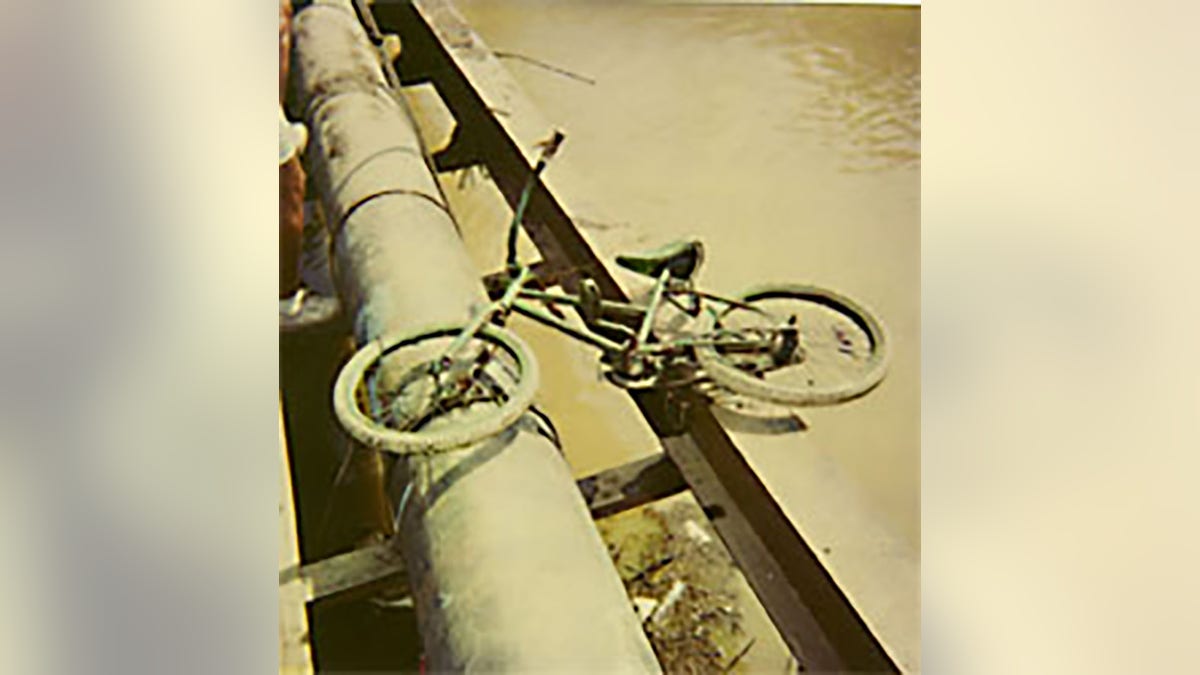
By the time the Paradise Lost documentaries aired, the public saw something else: a botched investigation. The photos showed that the police didn't take enough "discovery" shots. There were no photos of the "bloody man" at the Bojangles restaurant. There were no photos of the bicycle tracks that might have led to the real killer.
The DNA Gap in the Visual Record
If you study the West Memphis Three crime scene photos alongside the 2007 DNA testing results, a pattern emerges. The photos show where the bodies were, but they don't show any physical link to Echols, Baldwin, or Misskelley.
- No hair from the suspects.
- No blood from the suspects.
- No fibers that could be definitively traced back to the "trappings of a cult."
Instead, a hair found in one of the ligatures—visible in the high-resolution evidence photos—was later linked via DNA to Terry Hobbs, the stepfather of Steve Branch. Hobbs has always denied involvement, and he's never been charged, but the photo of that specific ligature suddenly became a lot more interesting to the defense team.
A Note on Ethics and Public Access
It’s worth mentioning that these photos are widely available on the internet today on various "true crime" wikis. There is a weird, uncomfortable tension there. On one hand, public access to the West Memphis Three crime scene photos allowed independent investigators to find the flaws in the prosecution's case. It led to the Alford Plea and the release of the Three in 2011.
On the other hand, these are photos of three little boys who were murdered.
When you look at these images, you're looking at the worst moment of someone’s life. It’s important to approach this with a level of respect that the 1993 legal system often lacked. The photos shouldn't be "entertainment." They are documents of a failure—a failure to protect the victims and a failure to correctly identify the perpetrator on the first try.
Lessons for Modern Forensics
Today, we use 3D LIDAR scanning. We have high-definition digital photography that can capture a single skin cell. Looking back at the West Memphis case is like looking at the Stone Age of forensics.
The biggest takeaway from the West Memphis Three crime scene photos is the danger of "confirmation bias." If you go into a crime scene looking for a cult, you will see a cult in every shadow and every knot. If you go in looking for the truth, you have to be willing to look at a photo and say, "I don't know what caused that mark yet."
Next Steps for Deepening Your Understanding
If you want to truly understand the forensic weight of this case, don't just look at the photos—read the transcripts. Specifically, look for the Rule 37 hearing documents where Dr. Werner Spitz explains the animal predation theory in detail. Comparing his testimony to the original 1993 medical examiner reports provides the clearest picture of how visual evidence can be misinterpreted.
Additionally, you should look into the "Alford Plea" legal mechanism. It’s the reason the West Memphis Three are free today, yet still legally considered "guilty" by the state of Arkansas. Understanding the gap between the physical evidence in those photos and the legal resolution of the case is the only way to get the full story of what happened in Robin Hood Hills.