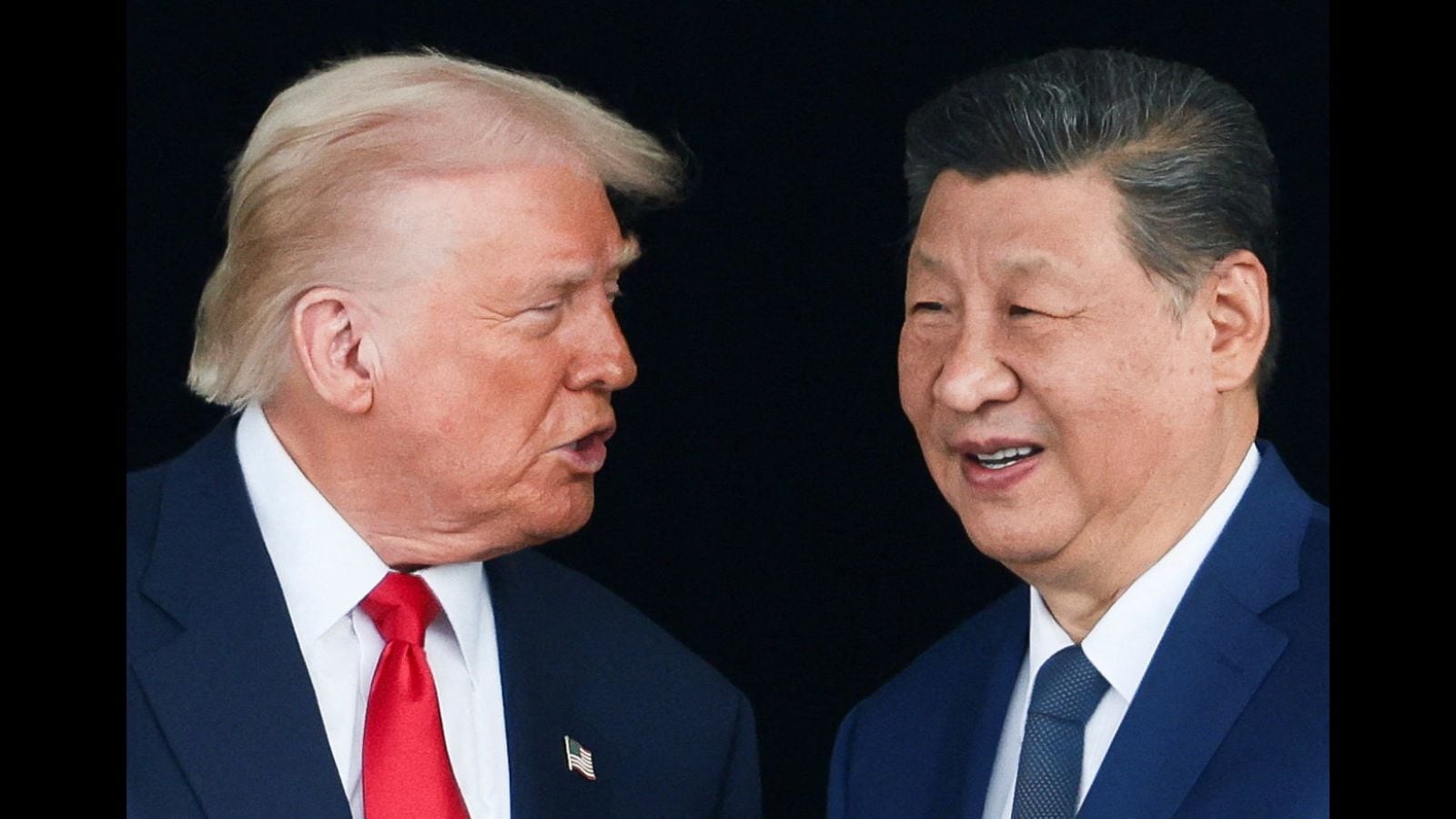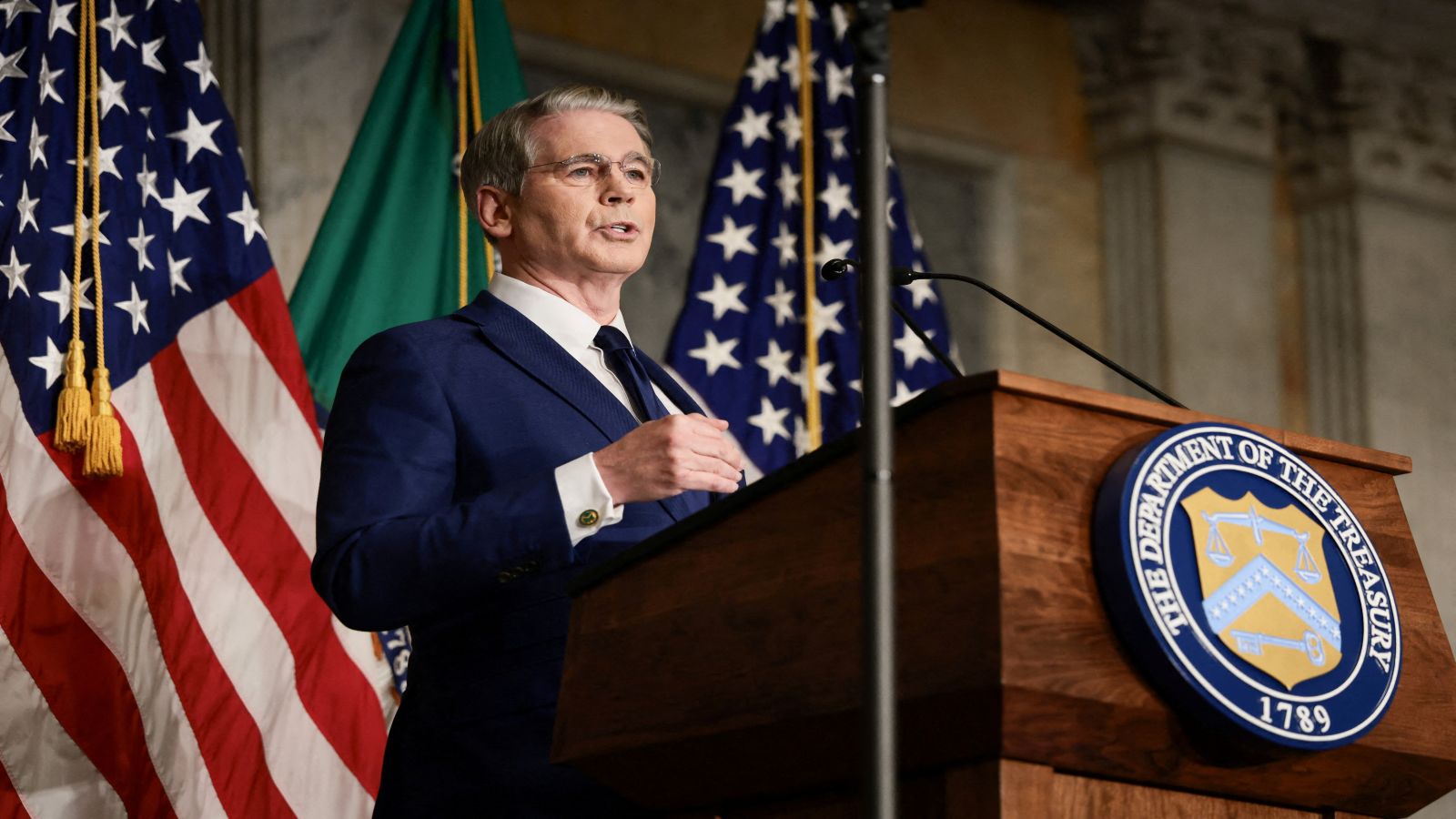
Diplomats always call pre-summit meetings "very successful." That phrase is standard diplomatic boilerplate, designed to keep financial markets calm and preserve room for leaders to maneuver before high-stakes negotiations. When U.S. Treasury Secretary Scott Bessent characterizes talks with Chinese counterparts on trade and artificial intelligence as "very successful" ahead of a Trump-Xi summit, mainstream financial coverage often treats the quote as a genuine signal of impending détente.
That reading misses the structural reality of U.S.-China economic relations. According to trade analysts and geopolitical strategists, warm pre-summit rhetoric rarely alters the underlying trajectory of technological decoupling and tariff friction. Both Washington and Beijing have strong domestic incentives to project competence and stability before a major diplomatic meeting, even when neither side intends to concede core strategic ground. Recently making news recently: Why the Hottest Stock Market on Earth is Actually a Masterclass in National Wealth Generation.
The Anatomy of Pre-Summit Optimism
In international trade diplomacy, public readouts serve a dual purpose: signaling resolve to domestic audiences and managing expectations among global investors. When Treasury officials describe preliminary discussions as productive, they are typically referring to procedural progress—agreeing on agenda items, establishing working groups, or reopening communication channels that had previously frozen.
According to historical patterns in U.S.-China negotiations, procedural agreements frequently precede stalemates on substantive issues. During previous rounds of bilateral talks over the past decade, both governments routinely issued optimistic statements about "constructive dialogue" right before imposing new rounds of tariffs, investment restrictions, or export controls. Additional insights regarding the matter are detailed by CNBC.
Why Markets Misread Diplomatic Signals
Equity and currency markets react instantly to headlines suggesting reduced trade friction. Algorithmic trading systems parse positive adjectives from senior economic officials and bid up exposed sectors—from semiconductor manufacturers to agricultural exporters. Yet institutional trade observers point out several recurring flaws in treating pre-summit praise as a policy shift:
- Process vs. Policy: Agreeing to talk about artificial intelligence governance or tariff schedules is fundamentally different from signing binding, verifiable enforcement mechanisms.
- Asymmetric Priorities: Washington's primary focus in economic talks with Beijing centers on national security, supply chain resilience, and curbing industrial overcapacity. Beijing's priority is the removal of existing tariffs and the relaxation of semiconductor export controls.
- Domestic Political Constraints: Neither administration faces domestic political rewards for making unilateral concessions on trade or technology. In Washington, bipartisan consensus favors strict scrutiny of Chinese tech capabilities; in Beijing, leadership emphasizes technological self-reliance as a core national mandate.
The Structural Collision Over Artificial Intelligence
Linking trade and artificial intelligence in the same diplomatic breath highlights the central contradiction of modern U.S.-China relations. Traditional trade disputes—over soybeans, steel, or consumer electronics—are fundamentally divisible. Two nations can negotiate tariff percentages, establish import quotas, and reach a commercial compromise where both sides claim an economic win.
Artificial intelligence does not work like commodity trade. Policy researchers at institutions like the Center for Strategic and International Studies (CSIS) and the RAND Corporation have repeatedly noted that advanced AI systems are dual-use technologies with direct military, intelligence, and economic applications. Because frontier AI models rely on specific hardware bottlenecks—most notably advanced logic chips and high-bandwidth memory—controls over compute infrastructure have become a zero-sum contest.
The Compute Chokepoint
The core friction in U.S.-China tech relations revolves around access to advanced semiconductors and the manufacturing equipment required to produce them. Export controls implemented by the U.S. Department of Commerce's Bureau of Industry and Security (BIS) are explicitly designed to maintain as large a lead as possible in foundational AI capabilities.
From Beijing's perspective, these controls represent an effort to cap its technological development. Consequently, Chinese negotiators view the relaxation of chip restrictions as a prerequisite for meaningful cooperation in other areas. Conversely, U.S. national security officials view export controls as non-negotiable defensive measures rather than bargaining chips to be traded away for agricultural purchases or currency commitments.
| Policy Domain | Washington's Core Objective | Beijing's Core Objective | Likelihood of Major Concession |
|---|---|---|---|
| Advanced Semiconductors | Maintain strict export controls on frontier AI chips and lithography tools. | Lift restrictions on chip imports and semiconductor manufacturing equipment. | Low; viewed as core national security in the U.S. |
| AI Safety & Governance | Establish guardrails against catastrophic risks and military miscalculation. | Prevent U.S.-led standards from locking Chinese firms out of global markets. | Moderate for narrow technical dialogue; low for binding treaties. |
| Bilateral Tariffs | Address state subsidies, industrial overcapacity, and trade deficits. | Roll back Section 301 and subsequent tariff regimes. | Low to Moderate; tied to verifiable structural reforms. |
| Cross-Border Investment | Restrict outbound U.S. capital into sensitive Chinese tech sectors. | Attract foreign direct investment to stabilize domestic growth. | Low; outbound screening rules are expanding. |
What "Success" Actually Looks Like in AI Diplomacy
If sweeping rollbacks of tariffs or export controls are unlikely, what constitutes a realistic, substantive outcome from high-level talks on AI and trade? Diplomatic historians and technology policy experts point to narrow risk-reduction frameworks rather than grand economic bargains.
During the Cold War, the United States and the Soviet Union maintained fierce ideological, economic, and military competition while still negotiating targeted agreements to prevent accidental escalation—such as the Incidents at Sea agreement or nuclear hotline protocols. A comparable dynamic is emerging around artificial intelligence.
- Military Escalation Guardrails: Both Washington and Beijing have a shared interest in ensuring that autonomous systems or AI-assisted command-and-control networks do not trigger unintended military crises. Discussions around keeping human decision-makers in the loop for nuclear command systems represent a realistic area for bilateral consensus.
- Technical Standards on Evaluation: Creating shared methodologies for testing frontier models for biological, cyber, or autonomous replication risks allows both nations to monitor safety thresholds without revealing proprietary model weights or training architectures.
- Macroeconomic Communication Channels: Regular dialogue between the U.S. Treasury and China's Ministry of Finance helps prevent sudden shocks in sovereign debt markets, currency valuations, or financial stability, even while industrial policies remain adversarial.
The Supply Chain Reality Behind the Headlines
While diplomats prepare talking points for a summit, multinational corporations are making capital allocation decisions based on long-term structural risk rather than short-term diplomatic optimism. Supply chain data from the U.S. Census Bureau and global trade monitors shows a sustained realignment of manufacturing footprints.
Companies operating across the Pacific have spent the past several years executing "China Plus One" strategies—shifting final assembly and component sourcing to Vietnam, India, Mexico, and Taiwan to insulate themselves from tariff volatility and export compliance risks. Even if a Trump-Xi summit produces a temporary truce or a pause in new tariff hikes, corporate boards rarely reverse multi-billion-dollar factory relocations based on verbal assurances from a diplomatic readout.
The Risk of Transshipment and Secondary Sanctions
Another complicating factor that pre-summit optimism glosses over is the enforcement of existing rules. U.S. regulators have increasingly focused on transshipment—goods routed through third countries to bypass bilateral tariffs—and the diversion of restricted AI hardware through intermediary shell companies.
Addressing these enforcement gaps requires intrusive verification mechanisms that touch directly on corporate sovereignty and domestic regulatory jurisdiction. Historically, disagreements over verification and inspection rights have been the exact point where U.S.-China trade agreements stall or unravel.
Navigating the Gap Between Rhetoric and Policy
For investors, executives, and observers tracking the lead-up to a U.S.-China summit, distinguishing between diplomatic signaling and enforceable policy changes requires filtering out routine pre-meeting praise.
- Watch the Federal Register, Not the Press Conference: Real shifts in U.S. trade and technology policy appear in formal rulemaking from the Office of the U.S. Trade Representative (USTR), the Treasury Department, and the Commerce Department—not in adjectives used during airport tarmac interviews or post-meeting readouts.
- Separate Macro Stability from Tech Decoupling: Washington and Beijing can simultaneously cooperate on stabilizing global financial markets or managing sovereign debt restructuring in developing nations while intensifying restrictions on artificial intelligence, quantum computing, and biotechnology.
- Evaluate Enforcement Mechanisms: Any bilateral announcement regarding tariffs, industrial subsidies, or AI governance only carries weight if it includes transparent metrics, timelines, and automatic snapback penalties for non-compliance.
Diplomatic optimism is a tool of statecraft, not an economic forecast. When Treasury officials describe preliminary talks with Beijing as "very successful," they are confirming that the lines of communication remain open ahead of a high-stakes summit—not that the underlying competition over who controls the defining technologies of the twenty-first century has been resolved.