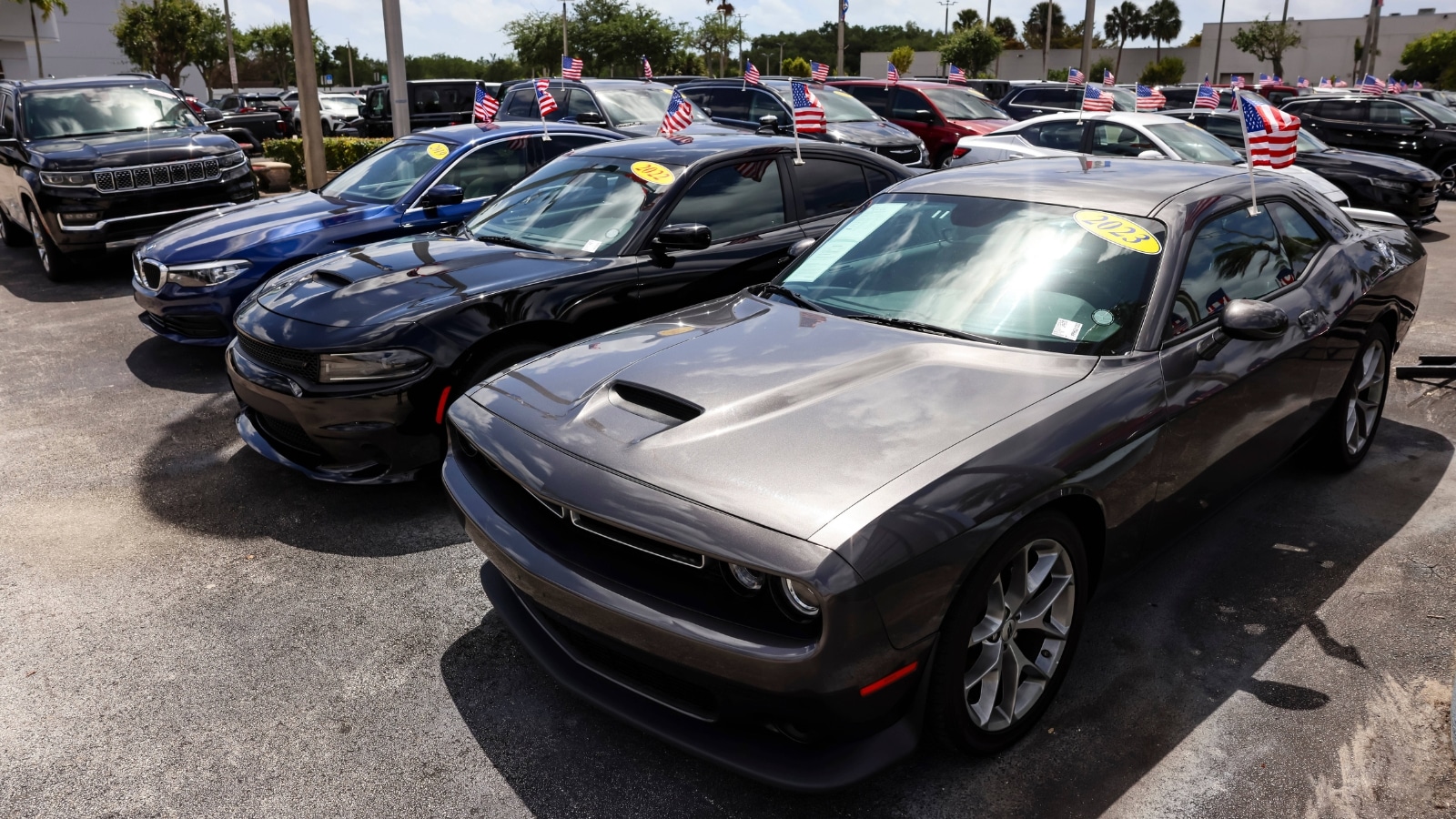
You used to be able to buy a dependable used car for five or six grand. Today, that same budget barely buys you a smoking engine and a transmission on its last legs. The American used car market has broken down completely, leaving everyday drivers stuck in a financial trap. When used car buyers routinely hand over fifteen thousand dollars for machines that are already nine years old, something is fundamentally wrong with the economics of transportation.
Car ownership used to be a straightforward milestone. You saved up a modest amount of cash, bought a sensible sedan, and drove it to work without losing sleep over your monthly budget. Right now, that pathway is practically closed. Dealership lots are filled with aging vehicles carrying price tags that used to belong to brand-new models straight off the assembly line. You might also find this connected article interesting: The Changing of the Guard in Gothenburg.
The Numbers Do Not Lie
Let's look at the reality of modern vehicle depreciation and pricing. For decades, standard wisdom dictated that a car lost a massive chunk of its value the second it rolled off the lot. After nine years, that vehicle was supposed to be a cheap commuter option for teenagers or budget-conscious buyers.
Supply chain snarls, manufacturing delays during recent global disruptions, and shifting consumer preferences altered that math permanently. Automakers scaled back production of affordable compact cars to focus on high-margin luxury SUVs and trucks. When new car production slowed, people held onto their existing vehicles longer. The trickle-down effect starved the used car market of inventory. As highlighted in recent reports by CNBC, the implications are significant.
Fewer available cars means higher prices. Economics 101. But the speed at which nine-year-old vehicles hit mid-tier luxury pricing catches most buyers off guard. You are looking at sedans and crossovers with well over one hundred thousand miles on the odometer commanding fifteen grand. Financing that amount at modern interest rates turns a modest purchase into a multi-year financial anchor.
How Financing Stretches Buyers Past the Breaking Point
Cash is rare for the average American household. When faced with a fifteen-thousand-dollar price tag for an aging vehicle, most people turn to auto loans. Dealerships happily oblige by stretching loan terms out to seventy-two or eighty-four months.
Spreading payments over seven years makes the monthly bill look manageable on paper. It hides the true cost of the machine. By the time you finish paying off a nine-year-old car on an eighty-four-month loan, the vehicle is sixteen years old. You are paying interest on a depreciating asset long after major mechanical components start demanding expensive repairs.
Think about the maintenance trap hidden inside this cycle. A car nearing a decade of road use needs suspension work, timing belt replacements, new alternators, and fresh brakes. Buying the car stretches your bank account. Maintaining the car drains whatever is left.
The Shift Toward Repair Over Replacement
Smart drivers adapted to this crisis by refusing to play the upgrade game. Keeping your current car running past two hundred thousand miles is suddenly the most financially aggressive wealth-preservation move you can make.
Paying a grand or two every year for maintenance feels painful, but it beats taking on a four-hundred-dollar monthly car payment for the next six years. Mechanics see a massive surge in people choosing major engine overhauls and transmission rebuilds rather than trading up.
If you must buy right now, the traditional rules no longer apply. Dealership shiny surfaces and certified pre-owned badges often mask inflated pricing structures. Private party sales demand more inspection work and mechanical skepticism, but they cut out the dealer overhead that pushes ordinary cars out of reach.
Get a pre-purchase inspection from an independent mechanic every single time. Do not skip this step to save a hundred bucks. Paying an expert to look under the hood saves you from inheriting someone else's financial mistake. Look past the odometer reading and check the maintenance records. A well-maintained vehicle with high mileage beats a neglected garage queen every day of the week.
Transportation shouldn't require a masterclass in risk management. Until production balances out and depreciation returns to historical norms, protect your wallet by keeping your current wheels on the road, scrutinizing every loan term, and refusing to overpay for yesterday's technology.