The Spectacle of Artificial Drama
Modern photojournalism has devolved into a high-stakes competition for your dopamine, not your intellect. We are told that "striking" images—the kind featuring robot gladiators or frozen corpses on Everest—represent the pinnacle of human experience. They don’t. They represent the commodification of trauma and the fetishization of gear.
Most weekly galleries are curated to make you feel a cheap, fleeting sense of awe. They lean on high-contrast filters and extreme telephoto lenses to manufacture a sense of intimacy that isn't actually there. When you look at a photo of a "treacherous" mountain ascent, you aren't seeing the reality of the climb. You are seeing a highly polished marketing asset for the outdoor industry, sanitized of the boredom, the logistics, and the sheer commercialism that defines modern high-altitude tourism.
We have reached a point where the "best" images are the ones that look the most like movie stills. If a photo doesn't look like it was directed by a cinematographer, we ignore it. This isn't journalism; it's aesthetic capture. We are losing the ability to find truth in the mundane because we are addicted to the extreme.
The Everest Fallacy: Crowds Aren't Content
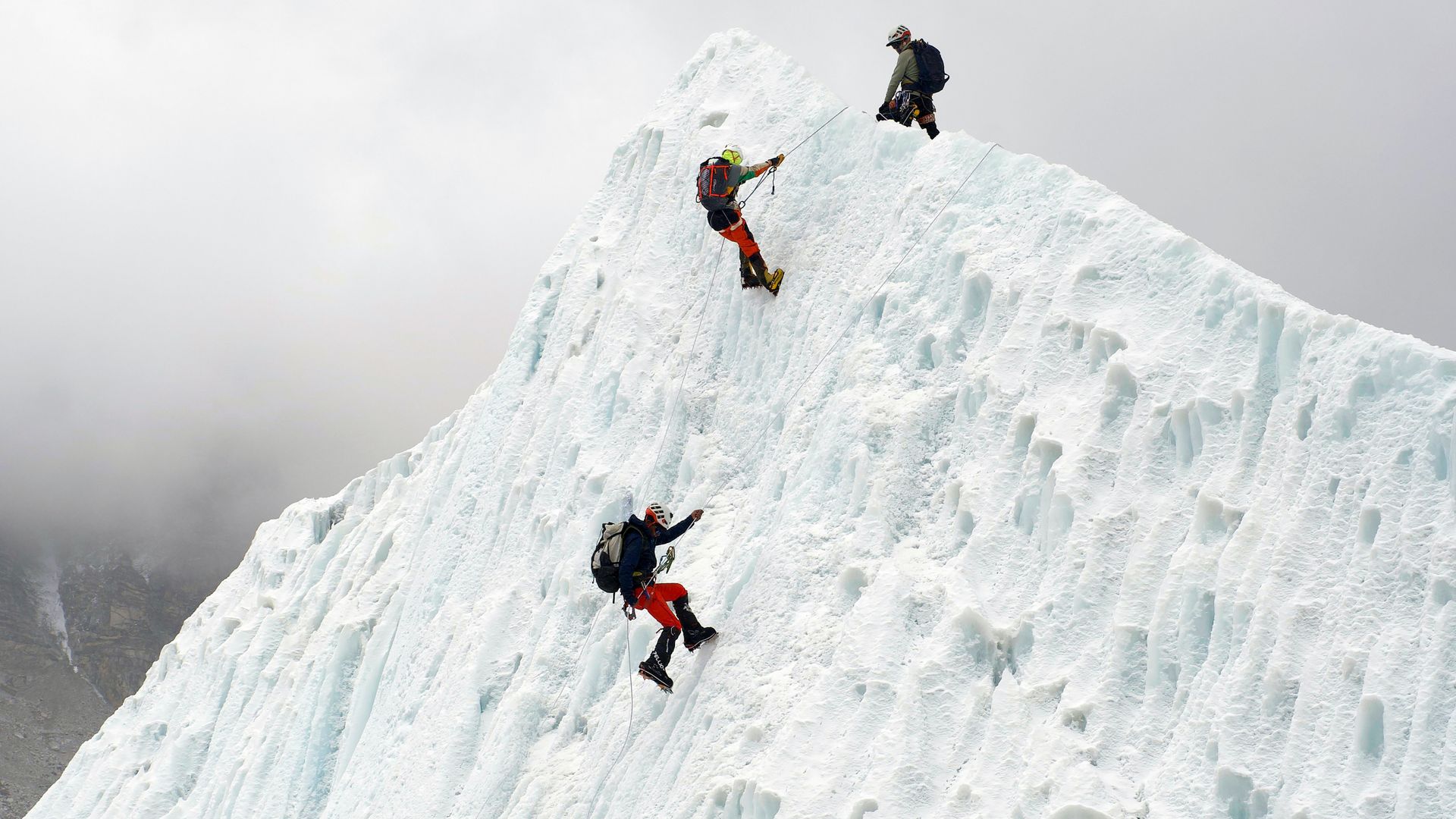
Every year, like clockwork, major news outlets run photos of the "death zone" on Everest. They frame it as a testament to human endurance or a tragic collision with nature.
Let's call it what it really is: a queue of wealthy hobbyists paying $60,000 to stand in line.
The "striking" nature of these images relies on a romanticized notion of the explorer. But look closer at the raw metadata of these situations. These aren't explorers. They are clients. The true story isn't the grit on their faces; it’s the supply chain of oxygen tanks and the labor of the Sherpas who are often cropped out to maintain the "man vs. nature" narrative.
When a photo editor chooses a shot of a climber perched on a ridge, they are reinforcing a lie. They are telling you that this is a rare moment of isolation. In reality, there are probably thirty people behind the photographer checking their watches. By focusing on the "striking" visual, the media ignores the systemic issues of environmental degradation and the ethics of the commercial mountain industry. We trade the truth for a cool wallpaper.
Robot Wars and the Deception of Silicon
Then there are the "Robot Wars." Images of mechanical dogs jumping over hurdles or metallic arms performing surgery are treated with a mixture of fear and wonder.
The industry insider knows the secret: these photos are the most staged assets in the history of media.
A "striking" photo of a robot usually involves:
- Controlled lighting that hides the thick umbilical cables powering the machine.
- Dozens of failed takes where the robot fell over like a drunk toddler.
- Post-processing that makes plastic look like titanium.
The media presents these as signs of a looming mechanical uprising or a technological utopia. They aren't. They are PR stunts captured by photographers who are often given strict instructions on what angles to avoid. We are being fed a visual diet of "competent machines" when the reality is a mess of buggy code and hardware that breaks if you sneeze on it.
If you want to see a real image of the robotics industry, show me the floor of a warehouse where a robot is stuck in a loop trying to pick up a slightly dented cardboard box. But that wouldn't make the "Images of the Week" list. It’s not "striking" enough. It’s just the truth.
The Death of the Candid
The most dangerous thing about the current obsession with "striking" visuals is that it has killed the candid moment.
I’ve spent years in rooms with professional photographers. I’ve seen them move a protest sign six inches to the left to get a better "composition." I’ve seen them wait for a child to cry before hitting the shutter because a crying child is "powerful."
We are no longer documenting the world; we are art-directing it.
The logic is simple: if a photo doesn't grab your eye in 0.5 seconds while you're scrolling on a train, it's a failure. This creates a feedback loop where only the loudest, most saturated, and most violent images survive. We are training our brains to believe that if a situation isn't visually explosive, it isn't happening.
Think about the most important shifts in your life. Were they "striking"? Probably not. They were quiet conversations, a signature on a paper, or a slow realization. None of that fits into a gallery of "The Week’s Best." By prioritizing the visual punch, we are missing the actual pulse of the world.
The Algorithm is the Editor
We used to have editors who cared about the "why." Now, we have metrics that care about the "click."
The images that top the charts are the ones that the algorithm predicts will trigger a high engagement rate. This is why you see the same tropes over and over:
- The Solitary Hero: One person against a vast background. (Easy to process).
- The Tech Menace: Blue lights, sharp edges, futuristic vibes. (Taps into anxiety).
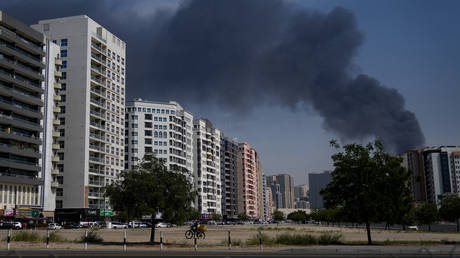
- The Natural Disaster: High contrast, smoke, or fire. (Evolutionary threat response).
This isn't curation. It’s optimization. When you consume these galleries, you aren't getting a balanced view of the week's events. You are getting a curated list of psychological triggers designed to keep you on the site.
How to Actually Look at a Photo
Stop looking for "striking." Start looking for the seams.
When you see a photo that looks too perfect, ask what’s just outside the frame. If you see a "daring" shot of a climber, look for the shadows of the support team. If you see a "futuristic" robot, look for the lack of dust, the perfect floor, and the absence of humans.
True authority in visual literacy comes from recognizing when you are being manipulated. The most important images of the week are likely the ones you never saw because they weren't "pretty" enough to satisfy a brand’s aesthetic or an editor’s need for a viral thumbnail.
We are living in a golden age of high-definition lies. Every pixel is curated. Every shadow is intentional. If an image makes you feel an immediate, unearned rush of emotion, it was likely engineered to do exactly that.
The Cost of the Aesthetic
The real danger isn't just that we are being lied to—it's that we are losing our appetite for the unpolished.
We see a photo of a war zone that looks like a Caravaggio painting and we think, "How beautiful." The horror is secondary to the lighting. We have aestheticized suffering to the point of anesthesia. We look at the "striking" image, give it a mental thumbs up, and move on to the next one without ever engaging with the underlying reality.
I have seen photographers spend more time editing the color of the dirt in a photo than they spent talking to the person standing in it. That is the industry secret nobody wants to admit: the "human element" is often just a prop for the "visual element."
Stop Consuming, Start Scrutinizing
Next time you see a gallery of the "most striking images," do yourself a favor: ignore the captions.
The captions tell you how to feel. They provide the narrative that the image likely failed to capture on its own. If the photo requires a paragraph of context to be "striking," it's not a great photo. It’s a mediocre photo with a good publicist.
We need to stop rewarding the spectacle. We need to stop clicking on the Everest queues and the robot dogs. We need to demand images that are messy, poorly lit, and complicated—because that is what the world actually looks like.
The "lazy consensus" is that a good photo is one that looks good on a high-resolution screen. The truth is that a good photo is one that makes you uncomfortable with how much you don't know.
Put down the gallery. Look out the window. The world is grey, boring, and vastly more interesting than any "striking" image will ever tell you.
Log off.