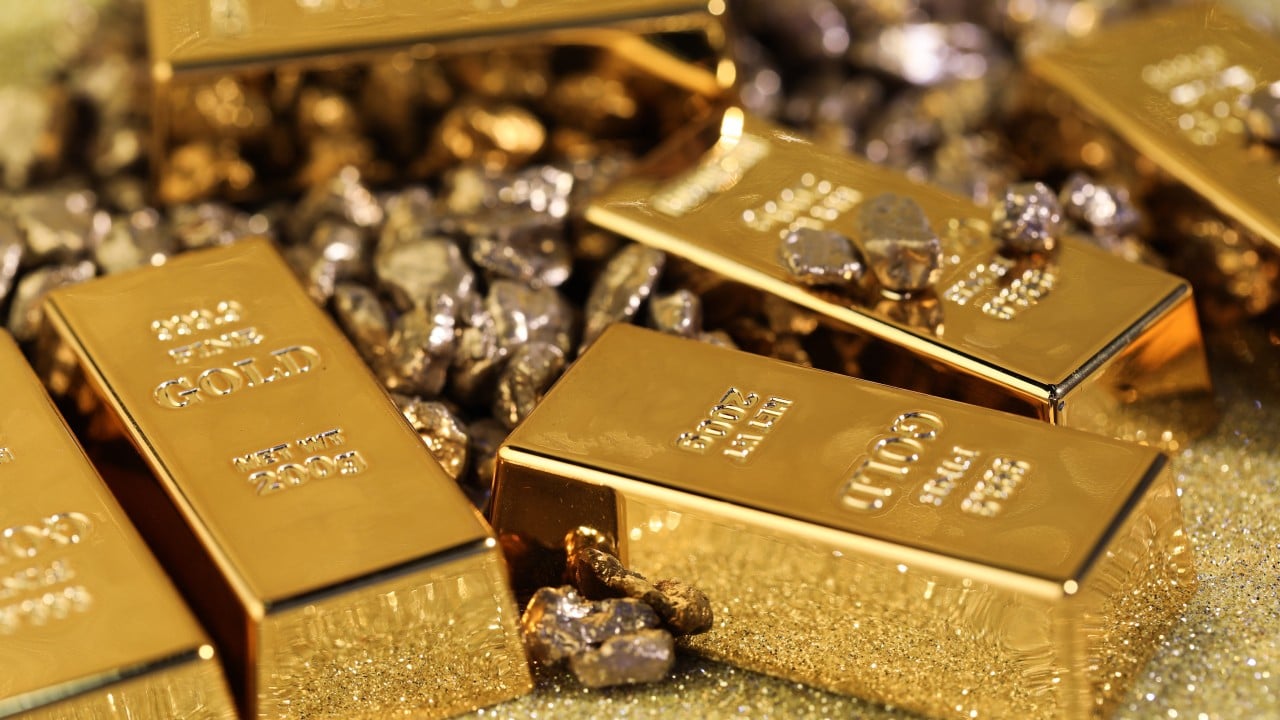
Gold does not care who owns it.
It sits in the dark, heavy and cold, indifferent to the rise and fall of dynasties, the scratching of pens on treaties, or the frantic blinking of terminal screens in financial capitals. It has outlived every currency ever printed. Yet, for all its timeless stubbornness, gold needs someone to speak for it. It needs a bridge between the physical weight of the vault and the frictionless velocity of modern trade.
For decades, that bridge in Hong Kong was fraying.
Step into a bullion trading room on any given afternoon, and you hear the rhythm of an ancient pulse. It sounds like high-stakes poker mixed with a crowded trading floor. Telephones ring in multiple languages. Orders worth millions of dollars shift across borders on the strength of a muttered word and a handshake. For generations, Hong Kong was the glittering crossroads where East met West, a golden anchor in the global trade winds. But financial markets are living things. If they do not evolve, they wither. The old ways of moving metal—relying on legacy networks and insular leadership—began to feel like trying to navigate a supersonic jet using a sea captain's spyglass.
The machinery of the market was creaking. Trust, the invisible currency that underpins every ounce of gold traded, was being tested by new global competitors in London, New York, and Shanghai.
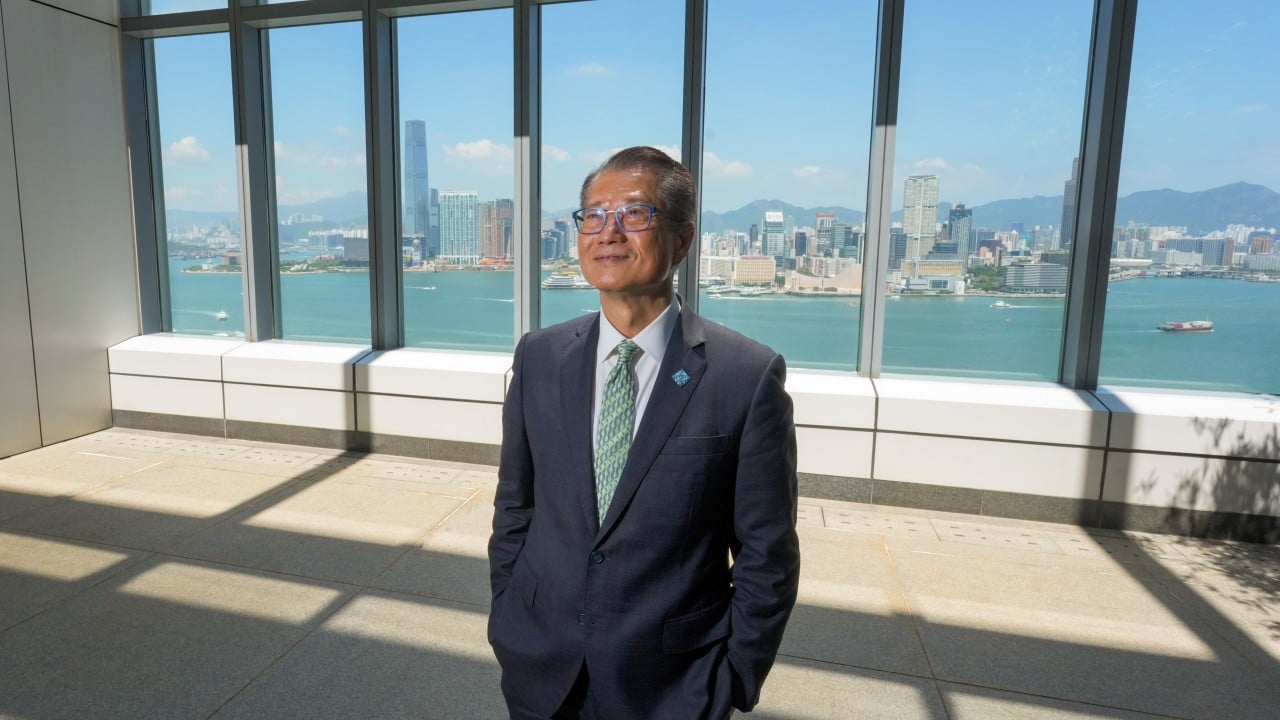
Enter Bryan Chan.
To understand why a single appointment at an exchange matters, you have to understand what it feels like to lose your footing in a global market. Bryan Chan is not a mythical figure born in a boardroom. He is a veteran of the exchange system, a man who spent years studying the microscopic gears that keep the wheels turning when panic hits the trading floor. When the Chinese Gold and Silver Exchange Society looked for someone to steady the ship and steer it into a brutal, digital-first future, they turned to a former executive who knew where the bodies were buried and where the opportunities were hiding.
Chan’s ascension is not merely a personnel change. It is a calculated gamble on institutional memory married to modern ambition.
Imagine standing on the trading floor of the exchange on a volatile Tuesday. News breaks of a sudden drop in fiat currency values. Across the globe, institutional investors scramble for safety. They want gold, and they want it now. In the old days, settling those trades involved physical paper trails, delayed verifications, and anxious telephone calls across time zones. Every minute of delay was money bleeding into the void.
Chan’s mandate is to eliminate that friction. He represents a shift toward transparency, modern electronic integration, and the aggressive pursuit of international liquidity. He understands that Hong Kong cannot rest on its historical laurels as a mere waypoint for mainland bullion. It has to become an undisputed epicenter of global pricing power.
This is where the story pivots from local appointment to global significance.
Gold trading is a game of confidence. When a buyer in Zurich or a seller in Dubai executes a contract routed through Hong Kong, they are buying more than a standardized bar of 99.99% purity. They are buying the integrity of the jurisdiction. They are betting that the rules won't shift overnight, that the settlement will clear without a hitch, and that the leadership knows how to navigate the tightening web of international compliance.
Chan has walked those corridors. He knows the anxieties of the small family-owned bullion shops that form the historical bedrock of Hong Kong's gold trade, and he speaks the language of the institutional giants who manage billions in sovereign wealth. Bridging those two worlds requires a rare kind of patience.
Consider the sheer scale of the challenge. The global gold market is undergoing a structural realignment. Central banks, particularly across Asia and the Global South, are hoarding physical gold at rates not seen in half a century. They are quietly de-dollarizing their reserves, stacking shining bars in domestic vaults as insurance against geopolitical thunderstorms. Hong Kong sits at the literal and figurative doorstep of this massive reallocation of wealth.
If the city plays its cards right, it captures the flow. If it stumbles, that gold bypasses its ports entirely, heading for rival hubs in Singapore or Shanghai.
Chan steps into this arena not as a savior with a magic wand, but as an architect with a blueprint. His career has been defined by a quiet competence—the kind of steady hand that boards reach for when the waters get choppy. He isn't interested in flashy headlines or tech-bro disruption for its own sake. He wants to fortify the plumbing. He wants the contracts to be ironclad, the digital integration to be flawless, and the global reputation of Hong Kong’s gold market to shine as brightly as the metal it trades.
We often look at financial news as a series of dry statistics. We read about basis points, trading volumes, and executive shuffles as if they were events happening in a vacuum, divorced from human ambition and fear. But behind every market shift is a person making a choice. Behind every appointment is a web of backstage politics, whispered negotiations, and sleepless nights.
When Bryan Chan took the helm, he inherited a legacy built by merchants who traded gold on wooden junks centuries ago, braving pirates and typhoons. The pirates today wear bespoke suits and operate algorithmic trading bots from skyscrapers in Central, but the core human drive remains identical. It is about survival. It is about securing a store of value against a chaotic world.
The market will test him. The geopolitical winds will howl. Competitors will undercut fees and pitch shinier platforms.
Yet, as the trading bells ring out across the harbor, marking the opening of another frantic day in the relentless pursuit of wealth and security, one thing remains certain. The gold is still there, resting in the dark, waiting for the world to decide what it's worth. And now, there is a steady hand at the wheel, making sure Hong Kong is ready for whatever price the future names.