Donald Trump didn't mince words when he recounted his private conversation with Israeli Prime Minister Benjamin Netanyahu. During a period of escalating tensions in the Middle East, the former president made his stance on regional energy infrastructure clear. He told the Israeli leader, "don't do that," specifically referring to potential strikes against Iranian oil and gas fields. This wasn't just a casual suggestion. It was a calculated warning about the global economic ripples that follow when the world's energy supply gets caught in a crossfire.
The conversation highlights a massive divide in how leaders approach modern warfare. While some see energy hubs as the ultimate leverage, others see them as a "do not touch" zone that can crash the global economy in a matter of hours. When Trump recounted this exchange, he was tapping into a very real fear that keeps economists up at night. If those fields go up in flames, everyone pays at the pump, regardless of which side of the fence they're on.
The logic behind the warning to Israel
Why would a leader who generally supports aggressive stances against Tehran suddenly pull the emergency brake? The answer is simpler than most political pundits want to admit. Oil is the lifeblood of the global markets. If Israel decided to take out Iran’s primary export capacity, the immediate result wouldn't just be a weakened Iranian regime. It would be a vertical spike in crude prices.
We've seen this play out before. Every time there's even a hint of a threat to the Strait of Hormuz or the Kharg Island terminal, the markets twitch. Trump’s "don't do that" directive wasn't about protecting Iran’s profits. It was about protecting the American consumer and the stability of the Western economy. When gas hits five or six dollars a gallon because of a tactical strike halfway across the world, voters tend to blame the person currently in charge, not the foreign leader who ordered the strike.
Netanyahu’s position is obviously different. From his perspective, the oil and gas fields are the ATM for the Islamic Revolutionary Guard Corps. In his view, cutting off that cash flow is the fastest way to stop the funding of proxies like Hezbollah and Hamas. It's a classic case of security interests clashing head-on with economic reality. Trump's intervention suggests he believes the economic fallout outweighs the tactical gain.
What happens if the pumps stop
Let's look at the numbers because they don't lie. Iran produces roughly 3 million barrels of oil per day. While that isn't the lion's share of global production, it's enough to cause a massive deficit if it disappears overnight. The global supply chain operates on razor-thin margins. You take 3% or 4% of the world's oil off the table suddenly, and you aren't just looking at a price increase. You're looking at a panic.
The ripple effect on global markets
If those fields were hit, the first thing you'd see is a surge in Brent Crude futures. Traders would go into a frenzy, betting on how high the price could go before production is restored. Shipping insurance for the Persian Gulf would skyrocket, effectively putting a tax on every single tanker leaving the region. This isn't just about Iran's oil. It's about the safety of the entire corridor.
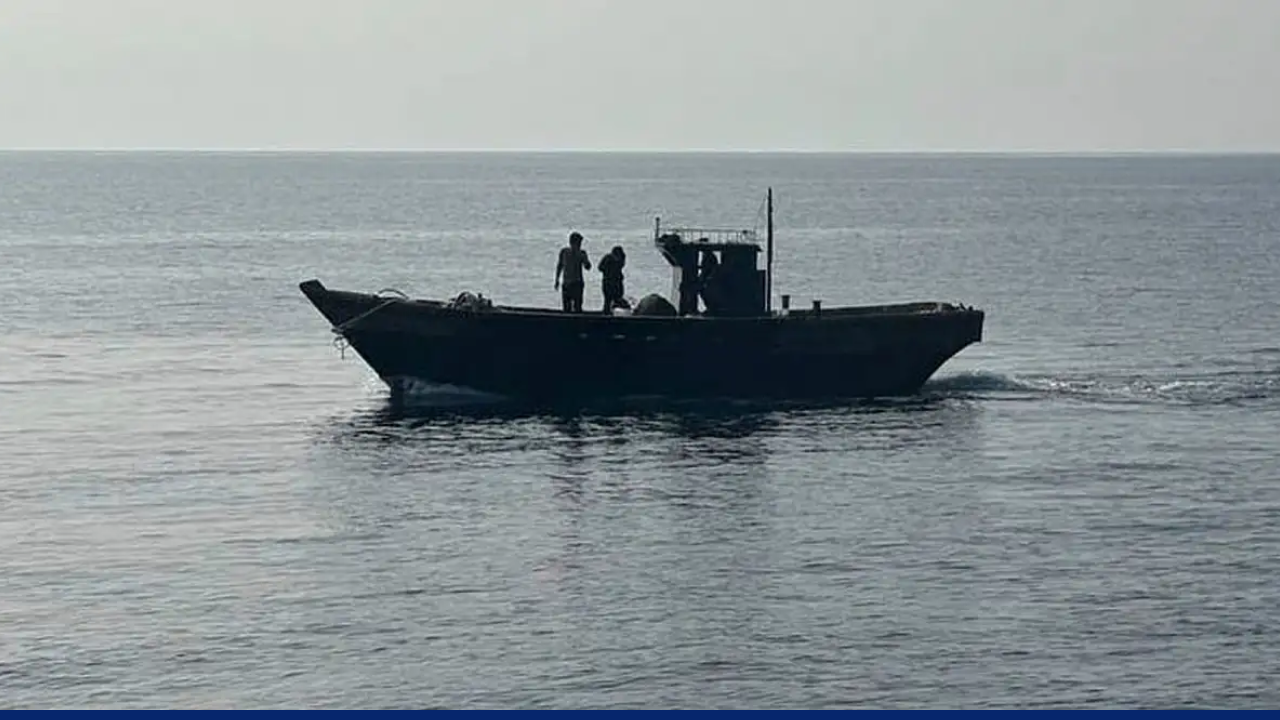
Then comes the response. Iran has spent decades preparing for this exact scenario. They have thousands of sea mines and fast-attack boats. If their own oil can't flow, they've made it clear they'll try to ensure nobody else's does either. That's the nightmare scenario Trump was likely trying to avoid. One strike on a gas field leads to a closed strait, which leads to a global recession. Nobody wins that game.
The political cost of high energy prices
Politics is local, even when it involves international war. Trump knows that the American electorate has a very low tolerance for high energy costs. During his time in office, he obsessed over keeping oil prices low, often tweeting at OPEC to increase production. His advice to Netanyahu reflects that same philosophy.
Middle Eastern conflicts are messy and long. But the economic impact of those conflicts is felt instantly in places like Ohio, Pennsylvania, and Michigan. If Israel had moved forward with those strikes, the political blowback in Washington would have been immense. It would have forced the U.S. into a position where it either had to subsidize the losses or engage in a direct naval conflict to keep the shipping lanes open. Neither option is particularly attractive to a leader who wants to avoid "forever wars."
A different kind of leverage
There's a school of thought that suggests there are better ways to squeeze a regime than blowing up its infrastructure. Sanctions are the preferred tool, even if they're often leaky. By telling Netanyahu to stay away from the oil fields, Trump was essentially saying that the risk of a "hot" war in the energy sector is too high.
You also have to consider the environmental and humanitarian disaster that follows an attack on a major gas terminal. These aren't just parking lots. They are complex, high-pressure environments. An explosion at a major facility like Assaluyeh would be catastrophic, potentially causing long-term damage that would take years to repair. That kind of "scorched earth" policy is hard to walk back and often creates more enemies than it removes.
How Israel weighs the risk
Netanyahu isn't known for taking orders, even from his closest allies. However, the logic of the "oil warning" is hard to ignore. Israel relies heavily on U.S. diplomatic cover and military aid. If they were to ignore a direct request regarding something as sensitive as the global oil supply, that relationship would face its greatest test yet.
Israel has other targets. They’ve shown they can hit military bases, drone factories, and leadership hubs with pinpoint accuracy. These targets send a message without crashing the New York Stock Exchange. By steering the conversation away from oil, the U.S. is essentially trying to keep the conflict contained within a military "box" rather than letting it spill over into the global economy.
The reality of the "Don't Do That" doctrine
When you strip away the diplomatic fluff, Trump’s message was about pragmatism. It's a recognition that we live in an interconnected world where a fire in one country burns the wallets of people in another. Whether Netanyahu fully agrees is still up for debate, but the fact that the conversation happened shows how much energy security dominates modern foreign policy.
If you're watching this situation, don't just look at the troop movements. Watch the price of oil. That is the true barometer of how much this conflict is allowed to escalate. The moment the oil fields become fair game, the rules of the game change for everyone.
For those tracking these developments, keep a close eye on the weekly EIA (Energy Information Administration) reports and the public statements from the Israeli Defense Ministry. Any shift in rhetoric regarding "economic targets" will be your first sign that the advice Trump gave is being ignored. Until then, the focus remains on keeping the tankers moving and the prices stable at the local gas station.