Months into a grinding conflict with Iran, Washington finds itself caught in an ugly strategic loop. President Donald Trump wants out of a war he never intended to drag on this long, but his own military machine keeps preparing for a much longer fight. That friction has triggered a wave of high-profile departures and internal chaos across the Department of Defense.
If you look past the official press releases, the picture inside the administration is messy. The underlying tension comes down to a fundamental disagreement over exit strategies. While the White House weighs declaring the Iran campaign finished to appease domestic concerns over energy prices and upcoming midterms, military planners are quietly extending troop deployments in the region.
The Breaking Point at the Top
Leadership friction inside the defense apparatus hasn't stayed behind closed doors. Former Army Secretary Dan Driscoll recently stepped down following intense clashes with Defense Secretary Pete Hegseth. Driscoll pushed back against sweeping purges of top military brass and disagreed on how fast the service should modernize its arsenal. When the civilian leadership starts bleeding top talent during an active engagement, operational readiness takes an immediate hit.
The White House denies total dysfunction, but the personnel turnover speaks volumes. We have seen Navy Secretary John Phelan exit after butting heads over shipbuilding initiatives and officer promotions. More than two dozen generals and admirals have been shown the door or blocked from promotion.
Trump himself hasn't hidden his exasperation. Sources close to the Oval Office note that he expected a swift resolution following initial strikes. Instead, the closure of the Strait of Hormuz and stubborn regional proxy responses turned tactical victories into a drawn-out strategic headache.
Economic Pressure Versus Boots on the Ground
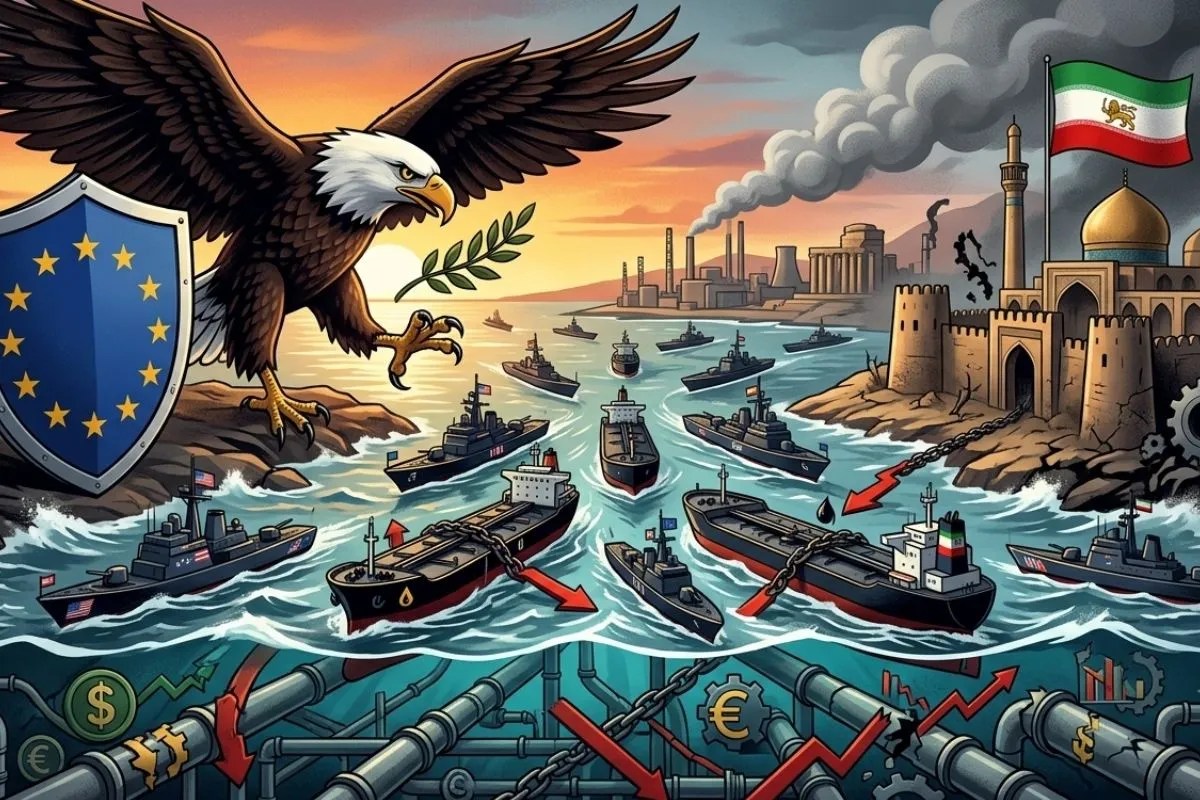
The administration's current pivot relies heavily on severe financial measures rather than ground invasions. Under initiatives like Operation Economic Outcast, the US is targeting Iranian oil, shipping, and digital assets to force Tehran into submission. Trump believes financial strangulation will eventually cause the regime to collapse or drop its nuclear ambitions without requiring thousands of American soldiers to stay stationed overseas indefinitely.
Yet the Pentagon operates on worst-case contingencies. Maintaining thousands of troops and multiple aircraft carrier strike groups in the Middle East gives the commander-in-chief operational flexibility, but it also signals to allies and adversaries alike that the military expects tensions to persist well into next year.
What Comes Next for Defense Leadership
Replacing key civilian and military officials during wartime is a risky gamble. When institutional knowledge gets pushed out in favor of ideological alignment, communication breakdowns multiply. The administration must soon decide whether to back its defense chief's aggressive personnel overhaul or pull the reins to restore administrative stability.
Watch how upcoming nominations clear the Senate. If further vacancies at the Pentagon face extended confirmation battles, the friction between presidential intent and military execution will only intensify.