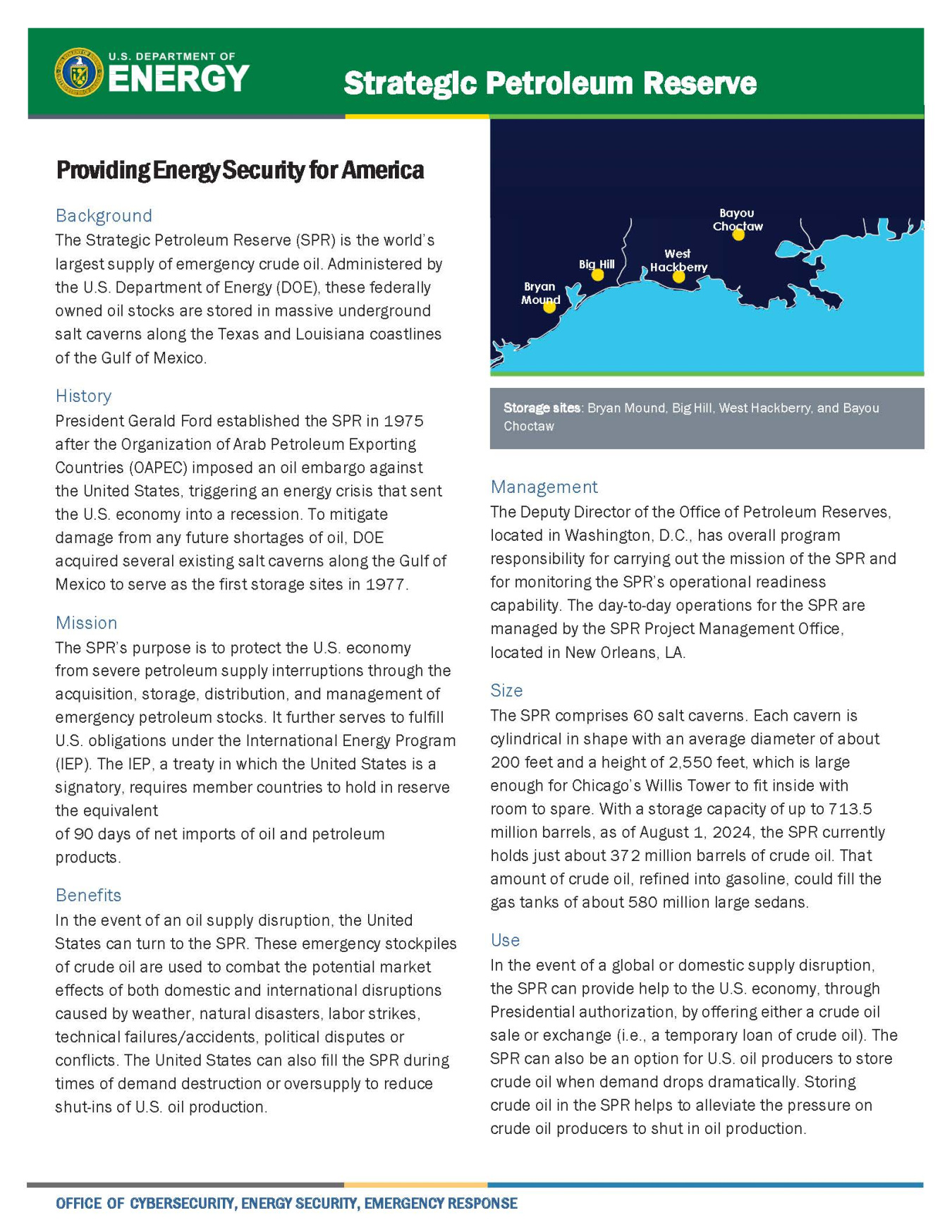
The global economy is currently caught in a pincer movement of rising energy costs, a leadership vacuum at the nation’s primary health regulator, and a consumer shift toward high-priced "wellness" products that offer more placebo than protection. When crude oil breaches the $100 mark, it does more than just make the morning commute expensive. It resets the baseline for every physical good in the supply chain. Simultaneously, the Food and Drug Administration (FDA) is navigating a period of internal transition that threatens to stall the approval of critical therapeutics, while the public fills that gap with unregulated supplements and wellness trends. These are not isolated events. They are interconnected gears in a machine that is currently grinding to a halt.
The High Cost of Triple Digit Oil
Wall Street likes to talk about "psychological barriers," but $100 oil is a physical reality that dictates the survival of entire industries. We are seeing a structural shift in energy markets that goes beyond simple supply and demand. The current price surge is driven by a decade of underinvestment in traditional extraction and a geopolitical landscape that is increasingly hostile to stable exports.
When the price of Brent or WTI stays above this threshold, the "tax" on the American consumer becomes a dragging anchor. Logistics companies cannot simply absorb a 30% increase in fuel costs. They pass it to the retailer, who passes it to you. This is how a spike in a commodity traded in London ends up making a gallon of milk in Ohio cost a dollar more.
The ripple effect is most dangerous in the manufacturing sector. Plastics, fertilizers, and synthetic fibers all rely on petroleum as a feedstock. If the cost of the raw material doubles, the finished product doesn't just get more expensive; it becomes unfeasible to produce. Factories are already starting to throttle back production schedules to wait for a dip in prices that may not arrive for months. This creates a secondary scarcity, driving inflation even higher in a feedback loop that is notoriously difficult to break.
A Vacuum at the FDA
While the energy market burns through cash, the FDA is facing a crisis of continuity. Leadership changes at the agency are never just about who sits in the big chair. They are about the thousands of mid-level scientists and reviewers who take their cues from the top. When the direction is unclear, the default setting for a federal bureaucracy is "pause."
The backlog for new drug applications is already growing. This isn't just a matter of corporate profits for big pharma. It is a matter of patient access to life-saving oncology treatments and next-generation antibiotics. A leaderless FDA is an agency that becomes overly cautious, fearing that any bold move will be scrutinized by the next permanent commissioner.
The timing could not be worse. We are in the middle of a biotech revolution involving CRISPR and personalized medicine. These technologies require a regulator that is agile and well-staffed. Instead, we have an agency that is currently reactive, struggling to manage the fallout from previous scandals while trying to maintain its gold standard reputation on the world stage. The industry is watching closely, and the lack of a clear, permanent hand at the tiller is driving investment away from the U.S. and toward more predictable regulatory environments in Europe and Asia.
The Wellness Boom is a Warning Sign
As trust in traditional institutions and regulators wavers, a multi-billion dollar wellness industry has stepped in to fill the void. This is not about yoga mats and green juice. It is about a massive, largely unregulated market of "biohacking" supplements and alternative therapies that promise the longevity that the medical establishment seemingly cannot guarantee.
This boom is a direct symptom of the FDA’s current paralysis and the rising cost of living. People are desperate for agency over their own health. If you cannot afford a doctor’s visit because your gas bill is too high, a $50 bottle of "immune-boosting" pills feels like a rational investment. It rarely is.
The danger here is twofold. First, there is the economic drain. Consumers are diverting billions of dollars into products with little to no clinical backing. Second, there is the health risk. Without a strong FDA to police claims and manufacturing standards, the market is flooded with products that vary wildly in purity and potency. We are effectively running a massive, uncontrolled experiment on the American public.
The Intersection of Energy and Health
It is a mistake to view the price of a barrel of oil and the efficacy of a vitamin supplement as unrelated topics. They are both parts of the same survival calculus for the average household. When the macro-economy is volatile—marked by $100 oil and stagnant wages—the micro-decisions people make about their health become more desperate and less scientific.
The logistics of healthcare also rely on energy. Every ambulance, every hospital generator, and every refrigerated shipment of vaccines depends on the very petroleum products that are currently spiking. A hospital’s operating margin is razor-thin. A sustained period of high energy costs forces these institutions to cut staff or delay equipment upgrades. This further degrades the quality of care, driving more people toward the "wellness" alternatives mentioned earlier.
The Myth of the Soft Landing
The Federal Reserve continues to talk about a "soft landing," a scenario where inflation cools without a massive spike in unemployment. This narrative ignores the reality of the energy market. You cannot "interest rate" your way out of a global oil shortage. Raising rates does not magically produce more light sweet crude.
What it does do is make it harder for energy companies to borrow the capital needed to drill new wells or build new refineries. We are effectively punishing the producers for a scarcity they didn't entirely create, which ensures that the scarcity will persist. It is a policy contradiction that threatens to turn a standard cyclical downturn into a multi-year stagnation.
Navigating the Volatility
The businesses that will survive this period are the ones that have stopped waiting for "normal" to return. They are aggressive about diversifying their energy sources and are looking at localized supply chains to bypass the volatility of global shipping.
For the consumer, the path is more difficult. It requires a high level of skepticism toward the wellness industry’s claims and a disciplined approach to household budgeting that accounts for energy prices staying "higher for longer." The era of cheap energy and stable regulators was an anomaly, not the rule.
Stop looking at the stock market as a barometer for your own economic health. Instead, look at the cost of freight and the duration of the FDA’s "interim" appointments. These are the true indicators of where the country is headed. If the government cannot stabilize the energy market and the energy market continues to bleed the consumer dry, the wellness boom will be the only thing growing—a monument to a society that has given up on systemic solutions and retreated into expensive, individual fantasies.
Audit your own dependencies. If your business or your household relies on a predictable cost of movement, you are currently at the mercy of a market that has no incentive to be kind to you. The only way to win is to reduce your exposure before the next spike turns a difficult season into a permanent crisis.