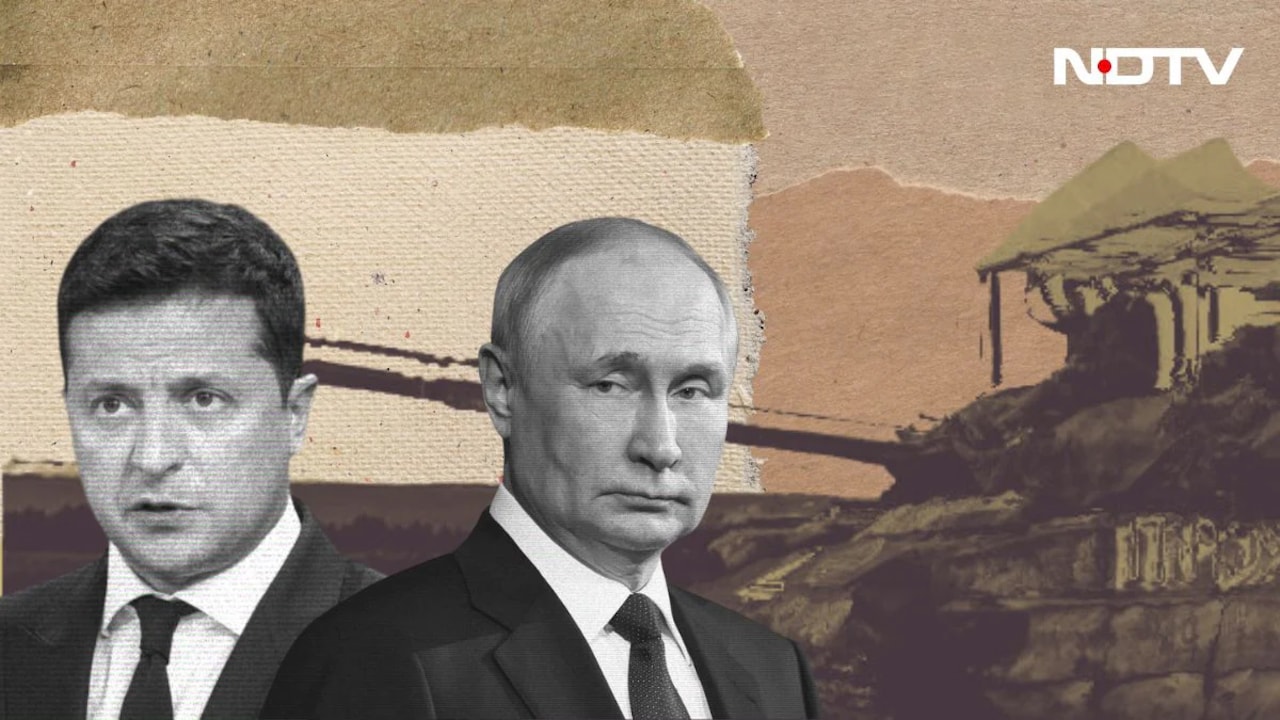
Everybody wants a neat little table with three microphones, three nameplates, and a handshake for the cameras. The lazy consensus in foreign policy circles assumes that dragging Washington directly into a trilateral negotiation format with Moscow and Kyiv is the master key to ending the war.
It is not. It is a trap.
For months, headlines have churned out breathless updates about the Kremlin keeping the door open for a three-way summit involving the United States and Ukraine. Pundits wet themselves over the diplomatic breakthrough. They treat negotiations like a corporate merger where you just need to get the right stakeholders into a boardroom, lock the doors, and hammer out a term sheet.
I have watched diplomats chase these hollow procedural breakthroughs for decades, and every single time, they mistake the optics of engagement for actual leverage.
Washington sitting at the primary trilateral table does not accelerate peace. It validates Moscow's primary strategic fantasy: that this conflict is a bilateral superpower duel between Russia and America, with Ukraine reduced to a proxy prop. The moment you institutionalize a three-way format that elevates Washington to a direct co-belligerent negotiator on the ground partition, you hand the Kremlin precisely the geopolitical validation it has been begging for since 2022. You turn an illegal war of regional conquest into a grand imperial bargain between empires, erasing sovereign agency with the stroke of a diplomatic pen.
Let us dismantle the mechanical reality of what a trilateral format actually achieves on the ground.
Negotiations only succeed when the cost of continuing the fight exceeds the cost of a compromise for all parties. Right now, Moscow calculates that time, domestic endurance, and Western political fatigue are on its side. Kyiv calculates that surrendering territory means national extinction. Washington calculates that open-ended support is cheap containment, while a botched settlement damages global deterrence.
Adding an American chair to the negotiating table does not magically alter these fundamental calculations. It just gives Moscow a wider megaphone to demand structural concessions regarding European security architecture that have nothing to do with Donbas or Crimea. The Kremlin does not want to negotiate with Kyiv; it wants to negotiate its sphere of influence with Washington. By accepting a trilateral format, the West would accidentally validate the premise that America gets to trade away European security boundaries behind the backs of the nations inside them.
Imagine a scenario where Washington accepts the trilateral invite, sits down in a neutral European capital, and spends six months arguing over buffer zones and sanctions relief. While the diplomats sip espresso and issue vague communiques about constructive atmospheres, Russian artillery keeps firing, drone factories keep humming, and mobilization laws in Ukraine face severe societal strain.
The process becomes the objective. Bureaucrats love processes because a process can be managed, funded, and reported on for years without requiring a definitive, messy victory or defeat. Meanwhile, the strategic reality on the battlefield hardens into a permanent frozen scar.
The obsession with high-level multilateral summits ignores how wars of this magnitude actually terminate. Wars do not end because three guys in suits sign a parchment. They end when military equilibrium makes further offensive operations mathematically impossible, or when internal collapse forces a regime to recalculate its survival.
Kyiv knows this. That is why Ukrainian leadership instinctively pushes back against any diplomatic architecture that bypasses their direct veto or treats them as a junior partner in their own survival. When foreign capitals start designing grand three-way architectures behind closed doors, they treat Ukrainian blood as a negotiable currency.
If you want to understand why peace talks fail before they start, look at the agenda items. Moscow wants total demilitarization, constitutional neutrality written into foreign capitals, and formal recognition of territorial grabs. Kyiv wants total territorial restoration, security guarantees that prevent future invasion, and reparations. Washington wants stability, restrained escalation, and a quick return to global commodity market predictability.
These positions do not overlap in a Venn diagram. They occupy entirely different universes.
Inserting America into a direct trilateral format creates a dangerous pressure valve for Western political leaders who are desperate to show progress to their domestic electorates ahead of election cycles. It allows politicians to point to a "diplomatic track" while avoiding the hard, unglamorous choices required to actually shift the balance of power on the battlefield. If you want peace, stop looking for clever diplomatic formats that bypass military realities. You do not talk your way out of a war of annihilation until the party trying to commit the annihilation realizes it cannot win.
Every minute spent designing elaborate three-way summit structures is a minute stolen from supplying the concrete capabilities needed to convince Moscow that its offensive is a dead end.
The next time you read a breathless bulletin about diplomatic channels opening up, ask yourself a simple question. Are we looking for a permanent political settlement based on justice, or are we just trying to buy enough quiet for the evening news?
The answer usually tells you everything you need to know about who is going to pay the price when the cameras turn off.