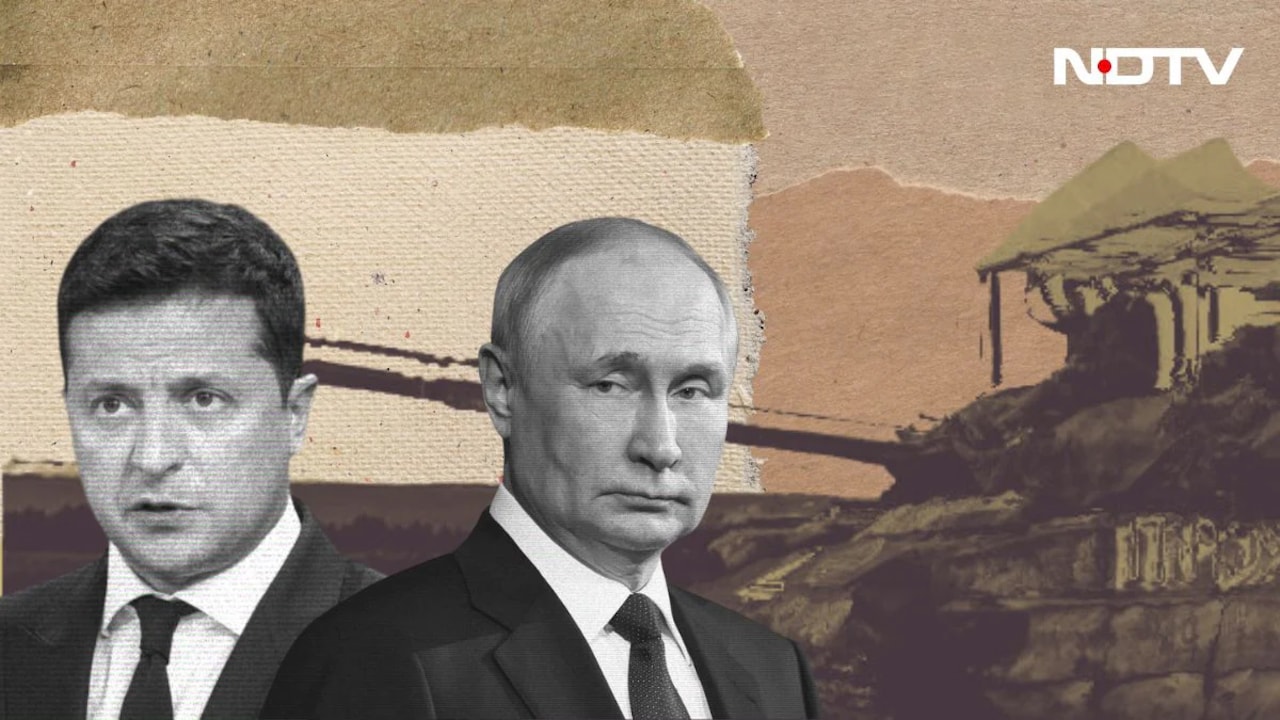
Winter is coming. It is not just a popular fantasy trope anymore. For millions of Ukrainians, it is a yearly countdown to frozen pipes, dark nights, and incoming missiles. Moscow knows this. The Kremlin is quietly pulling strings behind closed doors, preparing a silent mobilization to feed the meat grinder for what military analysts predict will be the harshest winter blitz of the entire conflict.
You might think sanctions are stopping the Russian war machine. You might hope that international diplomacy will suddenly click into gear. They aren't, and it won't. Vladimir Putin is playing the long game of attrition, banking on Western fatigue and dropping temperatures to break the back of Ukrainian resistance. In related developments, we also covered: Inside the Northern Trade War Threatening the U.S. Midterms.
So how does a nation survive a winter assault when the infrastructure is crumbling and the enemy keeps pouring fresh bodies into the front lines?
History offers a blueprint. It is the stubborn, bloody-minded determination that carried Great Britain through the Blitz of 1940. It is Winston Churchill grit, stripped of romanticism and reduced to its bare, unyielding essentials. If Ukraine wants to make it through the coming months, that exact mindset needs to animate every trench, every command post, and every foreign capital still writing checks. The Washington Post has analyzed this fascinating issue in great detail.
The Reality of the Silent Mobilization
Let us cut through the political theater. Russia isn't announcing massive public drafts that cause panic in the streets of Moscow or St. Petersburg. Instead, the Kremlin relies on a continuous, quiet drip of conscription. Higher signing bonuses, hidden quotas, and pressure on regional governors keep the ranks filled without triggering domestic unrest.
This silent mobilization means two things for the battlefield. First, Russian commanders have a steady supply of disposable infantry to throw at fortified positions. Second, they can absorb staggering casualty rates without destabilizing the political regime at home.
When you look at troop rotations along the eastern front, the math is brutal. Ukraine is fighting a larger nation with a deep reservoir of manpower. Every month the conflict drags on, the strain on Kyiv's forces compounds. Soldiers who have been fighting since the initial invasion are exhausted. They need relief, equipment, and realistic prospects of rotation.
Yet, the western supply chain remains sluggish. Bureaucracy and political hesitation continue to slow down the delivery of critical air defense systems and artillery shells. Russia uses these delays to stockpile precision-guided munitions. They are waiting for the first deep freeze. The plan is simple. Target the power grids, freeze the civilian population, and force the government in Kyiv to sue for peace from a position of total weakness.
What Real Resilience Looks Like
You cannot eat morale when the temperature drops below zero and the heat is cut off. But without morale, the physical defenses collapse overnight. This is where the comparison to Churchill's Britain becomes glaringly relevant.
During the Blitz, Londoners did not just endure; they adapted with grim humor and stubborn defiance. They slept in underground stations, cleared rubble by dawn, and kept the factories running despite the bombs falling overhead.
Ukraine is displaying that exact flavor of grit right now. Engineers fix shattered transformers in freezing darkness within hours of a strike. Local volunteers set up heating points stocked with generators, hot tea, and satellite internet. Ordinary citizens refuse to pack their bags and flee, even when their apartment buildings lose outer walls to drone attacks.
This is not Hollywood heroism. It is gritty, desperate survival. It means living in basements, wearing thermal layers indoors, and accepting that life is entirely unpredictable.
However, local grit alone cannot shoot down a hypersonic missile. That is where the external equation changes. Ukraine needs international partners to match its internal resolve. When allies drag their feet on ammunition deliveries out of fear of escalation, they misread how Moscow operates. Escalation management does not deter Putin; it encourages him.
The Strategy for Surviving the Deep Freeze
Surviving the upcoming winter requires specific, hard-nosed tactical shifts. Kyiv and its allies cannot afford to rely on wishful thinking.
Decentralizing Power and Energy
Centralized power grids are easy targets. A single missile can plunge a major city into darkness. The shift toward micro-grids, solar installations, and decentralized heating units must accelerate. Every hospital, school, and apartment block needs its own independent power source.
Expanding Domestic Defense Production
Relying entirely on foreign aid is a vulnerability. Ukraine knows this and has rapidly scaled up its own drone manufacturing and electronic warfare tech. Cheap, locally produced first-person-view drones and interceptors are changing the economics of modern warfare. It costs millions of dollars to build a cruise missile, but a fraction of that to build an interceptor drone that can knock it out of the sky. Scaling this up before winter peaks is non-negotiable.
Fortifying Supply Lines
The logistical challenge of supplying a freezing army is immense. Winter gear, thermal optics, portable heaters, and medical supplies must reach the front lines before the mud turns into ice and roads become impassable. Delays here cost lives, pure and simple.
The Cost of Looking Away
It is easy for people living thousands of miles away to grow tired of the news cycle. Fatigue is a natural human reaction to endless crisis reporting. But walking away from this conflict does not make it disappear.
If the western coalition loses its nerve, the precedent set will echo across global security for decades. An aggressor nation will have successfully rewritten borders through brute force and endurance. The cost of containing future conflicts will multiply exponentially.
Ukraine is standing on the front line of a much larger struggle. The winter blitz coming their way is designed to test whether democracies have the stomach for a long, ugly fight.
Churchill understood that when you are going through hell, you keep going. The Ukrainian people understand this too. They are living it every single day. The real question is whether their international partners have the backbone to stand with them when the temperature drops and the bombs start falling.