The air inside a collapsed tunnel does not merely sit; it presses. It is heavy with the scent of wet soil, pulverized concrete, and the metallic tang of fear. For ten days, time loses its sharp edges. Clocks are useless when the sun is an abstract concept belonging to another world, and the only measure of existence is the rhythmic, agonizing rise and fall of your own chest.
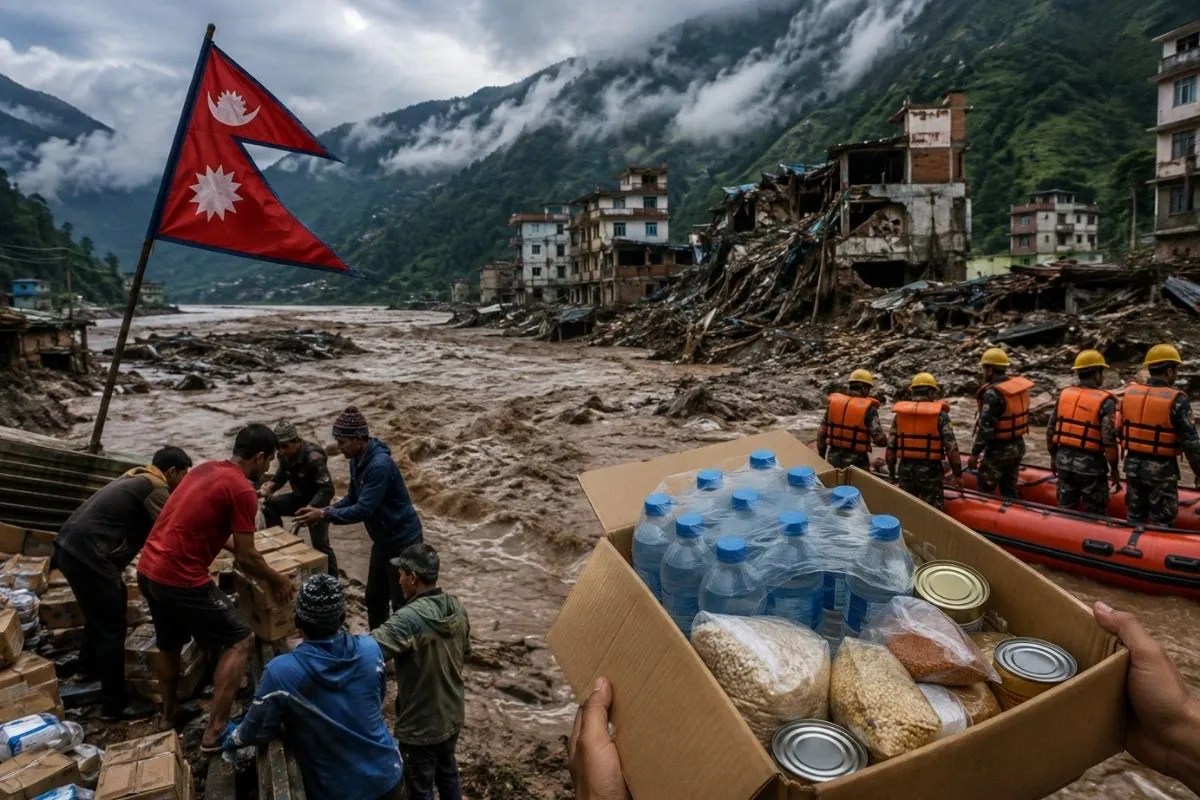
When the monsoon rains broke across Nepal, they did not just fall; they assaulted the earth. Water turned hillsides into liquid avalanches, swallowing roads, bridges, and human endeavor in a single, roaring breath. Deep inside the bowels of a construction project, two workers found themselves suddenly cut off from the living world. No warning siren. No polite countdown. Just the terrifying concussive thunder of tons of debris sealing the exit, plunging them into absolute, suffocating blackness.
Imagine, for a fragile moment, the silence that follows. The shouting dies down. The dust settles into the throat. Then comes the realization that the distance between you and the surface is measured not in feet, but in miracles.
Ten days. Two hundred and forty hours.
To understand what survival looks like in those conditions, we must strip away the sanitized statistics of disaster reports and look at the raw anthropology of endurance. In environments like this, the human mind becomes both a prison and a sanctuary. Panic is an immediate luxury nobody can afford; it burns precious oxygen and accelerates the heartbeat. Instead, survivors retreat inward. They rely on micro-habits, checking their fingers for movement, tracing the cold dampness of the rock wall to confirm they still occupy space, and waiting for the faint, hopeful vibration of a rescue drill through the stone.
Rescue operations in deep-tunnel collapses are exercises in agonizing geometry. Every movement carries the risk of triggering a secondary cave-in. Search teams cannot simply dig with brute force; they must operate like surgeons with heavy machinery, probing the rubble inch by inch. Hours stretch into days. Families gather at the perimeter, their faces etched with a familiar, hollow exhaustion, staring at a jagged hole in the earth that has become the center of their universe. Hope and despair take turns holding the wheel.
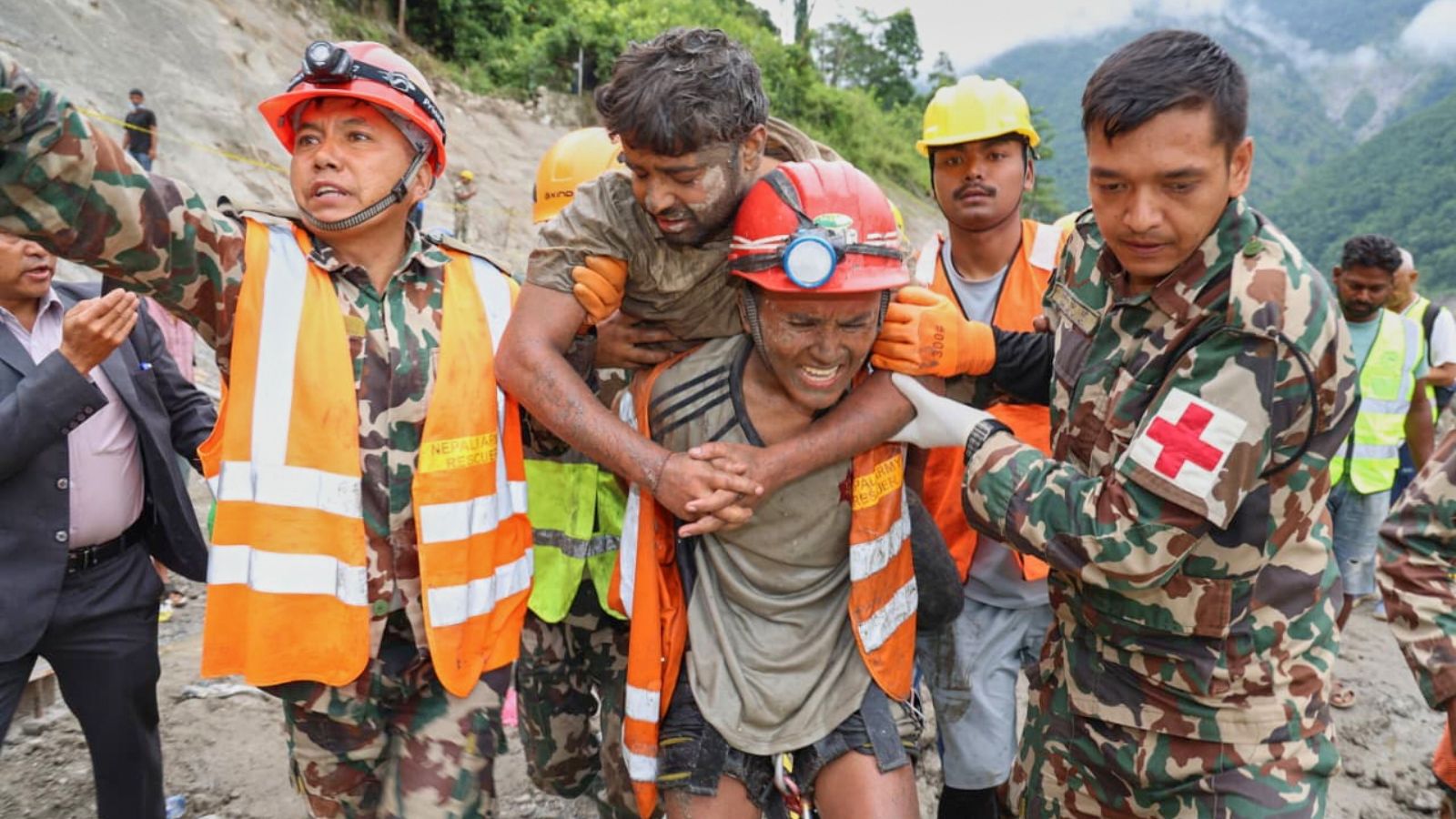
When the breakthrough finally happened, it arrived not with a triumphant fanfare, but with a weak, rasping sound. A flashlight beam cut through the particulate-choked air, striking eyes that had forgotten how to process light.
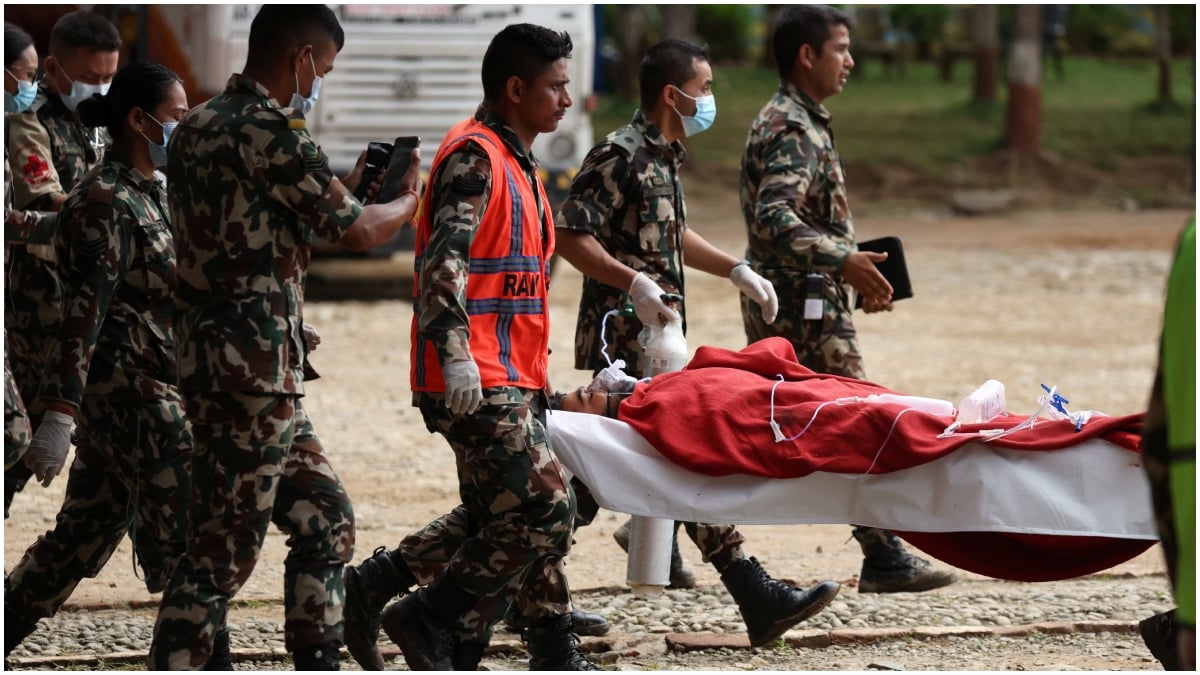
Pulled from the debris, frail, disoriented, and blinking against a world they had almost abandoned, the two workers represented something elemental. Their rescue wasn't merely a logistical victory for emergency responders. It was a stubborn, defiant refusal to surrender to the dark.
The mountain is quiet again now. The heavy machinery has fallen silent, and the scars on the landscape are slowly being reclaimed by the stubborn green of the region. But somewhere beneath the surface, the memory of those ten days remains embedded in the stone—a testament to how much a human being can endure when the world above refuses to stop digging.