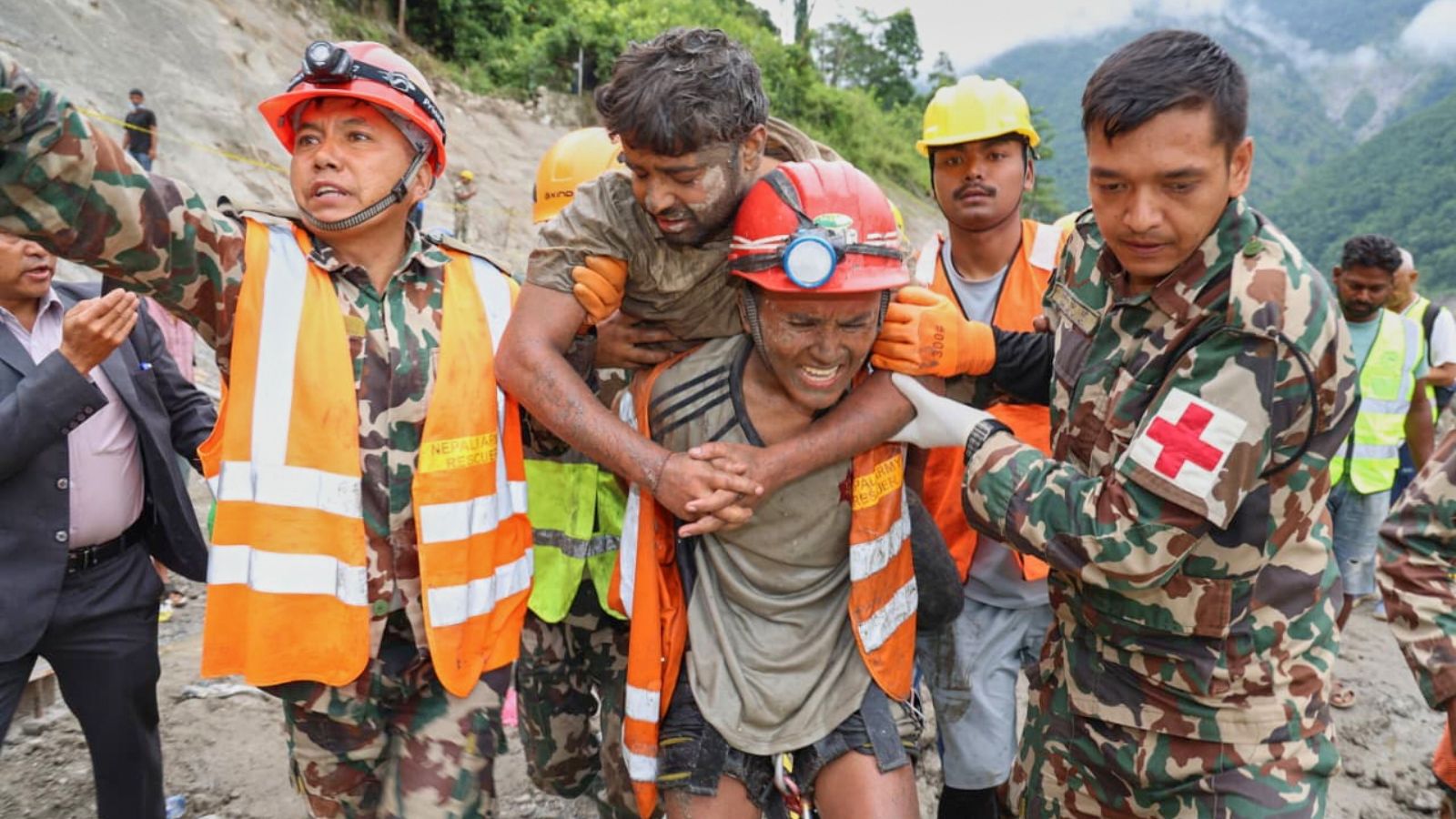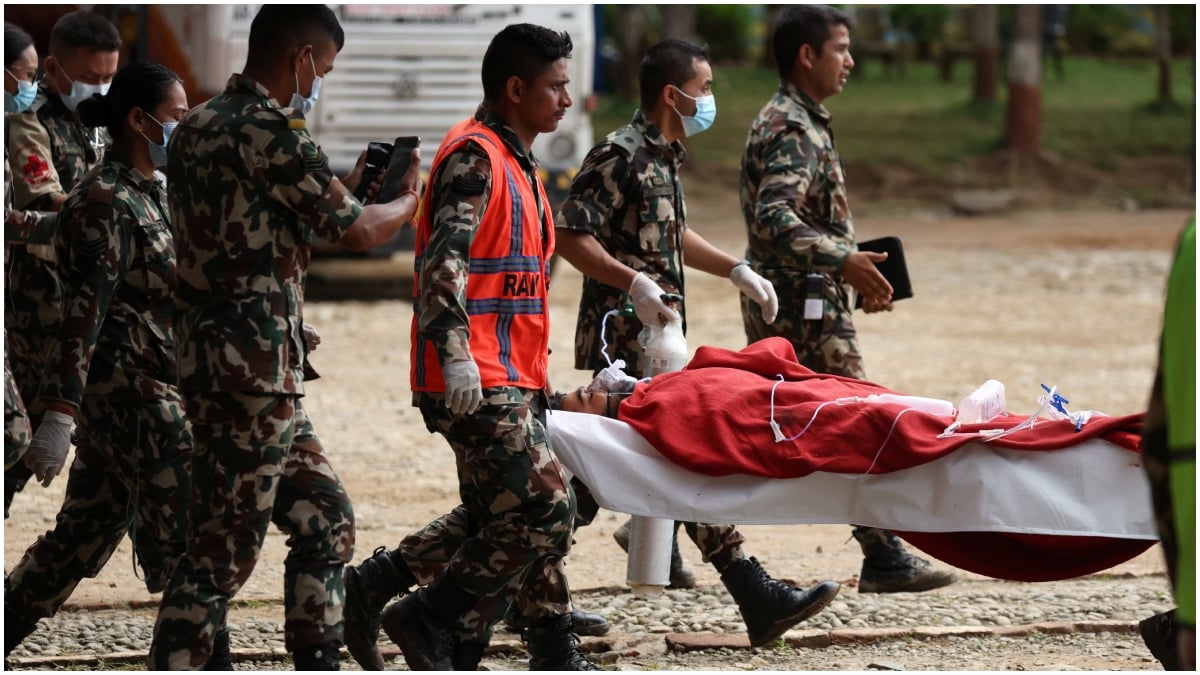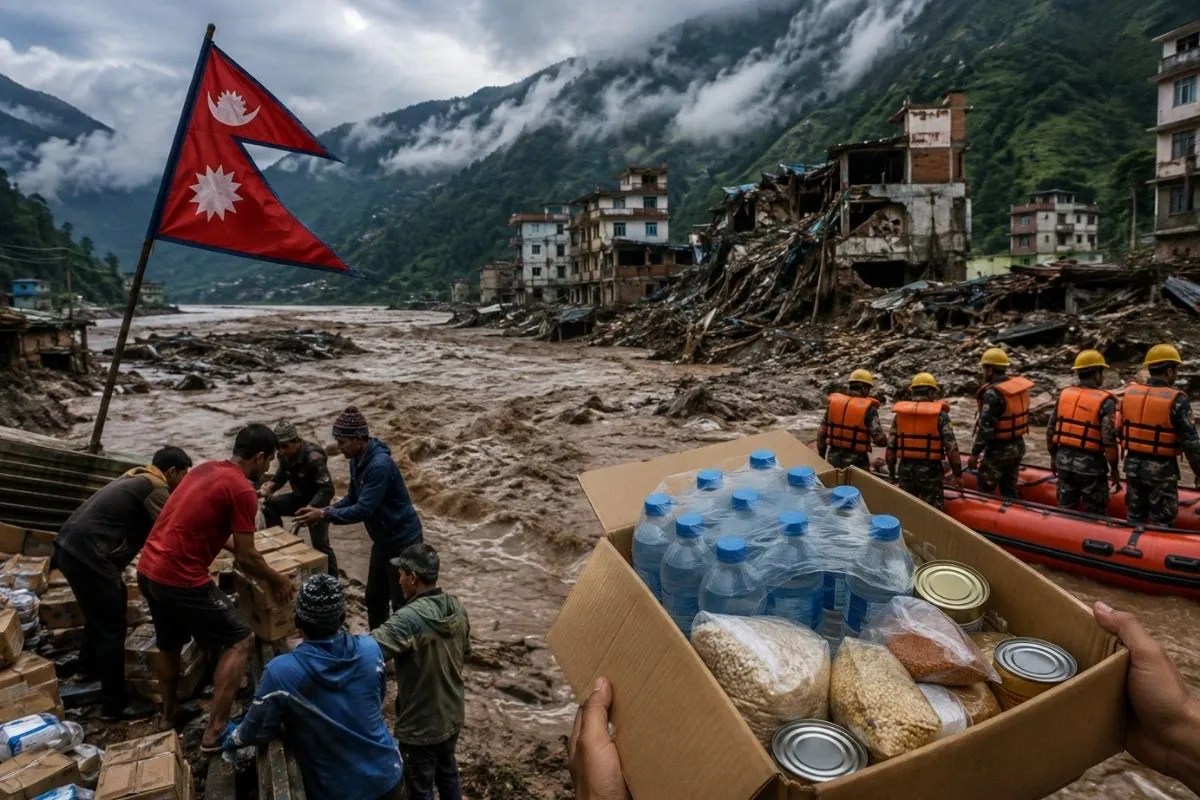
When the Himalayan slopes gave way above the Bhotekoshi river basin, they did not just sweep away concrete, steel, and timber. They tore through the fragile financial arteries of Nepal's northern trade corridors, leaving an official death toll climbing past twelve hundred souls and thousands more unaccounted for. Weeks after the initial catastrophe, the administrative machinery in Kathmandu responded with a wide-ranging business recovery package. Yet behind the official proclamations of tax waivers, custom exemptions, and restructured loans lies a much more grueling reality. A nation struggling under billions of rupees in infrastructure damage is attempting to patch a fractured commercial ecosystem with policy adjustments that may prove too narrow for the magnitude of the ruin.
Understanding the mechanics of the government response requires looking closely at what was actually signed into motion by the Cabinet. For commercial enterprises whose transport fleets, heavy machinery, and manufacturing plants were completely obliterated along the border transit routes, the state has promised relief. Businesses can cancel the registrations of destroyed commercial vehicles and re-import replacements without facing standard customs tariffs. Importers staring at cargo that vanished before clearing customs at points like Rasuwa are being offered a six-month window to adjust previously paid duties against future imports. Tax filing deadlines have been pushed toward November, and the Inland Revenue Department has opened pathways for firms to write off completely destroyed capital assets as one-time operational expenses.
On paper, these concessions look substantial. On the ground, liquidity-starved proprietors face a wall of institutional friction.
The Credit Trap and Banking Realities
The central bank directives instruct commercial lenders to reschedule loans and offer credit at lower base-rate premiums for flood-affected borrowers. Banks are also permitted to extend fresh capital injections to protect employment or repair damaged assets, with funds channeled directly to third-party vendors. But this approach reveals an underlying tension between state mandates and banking prudence. Commercial banks in Kathmandu are already wrestling with their own asset quality metrics. Forcing them to extend credit lines to entities whose primary income-generating assets now rest beneath tons of silt creates a massive exposure risk.
Consider a hypothetical transport firm operating out of the border districts. Before the disaster, the firm carried heavy vehicle loans backed by collateral that has now literally washed away. Granting a new loan for replacement trucks requires a credit appraisal that traditional risk models will reject, regardless of government encouragement. When a commercial bank evaluates a borrower with zero remaining collateral and an interrupted cash flow, administrative guidelines urging leniency often collide with statutory safety requirements.
Insurance mechanisms face a similar operational bottleneck. The National Insurance Authority has mandated that surveyors expedite claims and ordered insurers to disburse up to fifty percent of preliminary claim amounts as advance payments. Reinsurers are theoretically bound by the same rule. In practice, verifying total losses across remote, inaccessible mountain terrain where road networks remain blocked for weeks is a logistical nightmare. Advance payouts depend on preliminary assessment reports, yet getting qualified surveyors into the deepest pockets of the disaster zone remains dangerous and slow.
Structural Vulnerabilities in Himalayan Trade
The Bhotekoshi disaster exposes a structural vulnerability that goes far beyond a single weather event. Nepal's northern trade route is a vital economic corridor connecting the domestic market to manufacturing hubs across the border. When this corridor breaks, the ripple effects hit everything from consumer goods pricing to national revenue collections.
The state's decision to accept international aid, such as multi-million dollar grants from developmental partners like the Asian Development Bank, speaks to the fiscal strain facing public coffers. The National Disaster Risk Reduction and Management Authority estimates total losses scaling into hundreds of billions of rupees. Against this backdrop, delaying tax filings until November or offering write-offs for depreciable assets provides breathing room, but it does not inject direct working capital into businesses that have lost their entire customer base.
Local governments and municipal bodies have tried to step into the void with localized grants, such as modest family support packages for missing or deceased breadwinners. Yet municipal treasuries in mountain districts operate on razor-thin margins. They rely heavily on local administrative fees, property taxes, and tourism revenues—all of which have flatlined. Asking these local bodies to waive building permit fees and local taxes without a corresponding fiscal transfer from the federal center risks starving local governance units of the very resources they need to maintain basic civil functions.
The Path Forward and Implementation Gaps
The real test of the current economic package will not be found in the text of the Cabinet decisions, but in the speed of its execution. Bureaucratic inertia has historically slowed emergency relief funds in South Asia, turning well-intentioned policy into a maze of compliance paperwork. For a small trader whose shop is buried under debris, navigating customs duty adjustments across different offices within six months requires an administrative fluency that small business owners rarely possess without expensive legal or accounting help.
Furthermore, the condition that replacement goods must be of the same nature and imported within strict timeframes ignores the reality of supply chain evolution. Businesses attempting to upgrade outdated machinery to survive in a post-disaster market may find themselves penalized or excluded from duty waivers if their new equipment specifications deviate even slightly from what was lost.
As the recovery enters its next phase, the central bank and the Ministry of Finance will need to monitor whether commercial lenders actually disburse the mandated credit or merely tick compliance boxes to appease regulators. Without strict oversight, relief packages run the risk of serving only the largest corporations with dedicated legal departments, leaving smaller enterprises to shoulder the burden of a national tragedy alone.
The roar of the Bhotekoshi has faded into a heavy, grinding silence along the northern border, where families search through grey mud for traces of their lives and business owners calculate the steep price of rebuilding from zero.