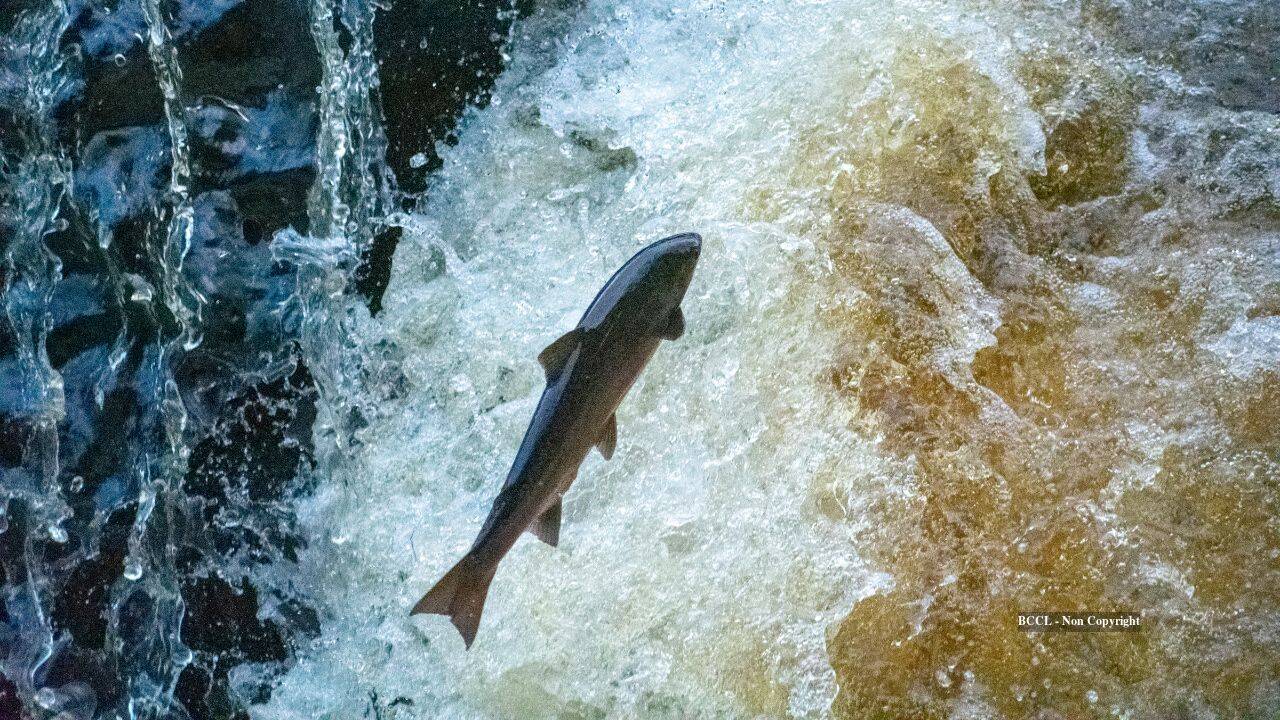
Everyone loves a good dam removal story. It checks every box for the modern conservationist: rugged industrial relic smashed to rubble, pristine water flowing free, native fish surging back upstream to spawn against all odds. Cue the applause, pop the champagne, and run the triumphant press release about Maine restoring a sixty-year-old migration route for rare Atlantic salmon.
It makes for gorgeous b-roll. It also happens to be an expensive, scientifically dubious distraction from the actual extinction crisis facing the species.
I have spent two decades watching conservation dollars get poured into high-profile symbolic victories while the quiet, unsexy variables that actually drive fish mortality are completely ignored. Tearing out concrete makes headlines. It makes activists feel righteous. But when it comes to the Gulf of Maine and the relentless decline of Salmo salar, treating a blocked river as the primary villain is a masterclass in missing the forest for the trees. Or in this case, missing the open ocean for the fish ladder.
Let us look at the lazy consensus. The narrative goes like this: Atlantic salmon are rare because human infrastructure fragmented their habitat. Concrete walls block them from historic spawning grounds in the upper reaches of Maine's watersheds. Therefore, remove the barrier, and the salmon return.
It sounds airtight on a napkin. Physics and biology, however, refuse to cooperate with simple slogans.
The dirty secret of Atlantic salmon restoration in North America is that once these fish clear the river and hit saltwater, they vanish into a meat grinder that no amount of concrete demolition can fix. Ocean survival rates for wild smolts have plummeted by over seventy percent in recent decades. Marine mortality is the real bottleneck. You can bulldoze every dam from the coast to the Canadian border, but if ninety-five percent of your smolts are getting eaten by exploding seal populations or dying because the North Atlantic is heating up and starving them of lipid-rich copepods, you have essentially built a luxury highway to an empty parking lot.
We are spending millions of dollars on cardiac arrest treatment for a patient who is actually dying of kidney failure.
Let us define terms precisely. Habitat connectivity is a real ecological principle. If fish cannot reach spawning gravel, they cannot reproduce. No fisheries biologist denies this. But habitat quantity is not the limiting factor for Maine salmon right now; survival probability is. A river with zero dams is completely worthless if the water temperature hits lethal thresholds in July or if industrial runoff and residential pesticide loading turn the estuary into a chemical soup.
When conservation groups celebrate a dam removal as a standalone triumph, they are treating the ecosystem as a static museum exhibit where clearing the doorway solves the problem. Ecosystems are dynamic, hostile, and heavily influenced by variables far beyond the local watershed.
Consider the seal factor. In the Gulf of Maine, grey and harbor seal populations have rebounded spectacularly thanks to the Marine Mammal Protection Act. That is a success story for mammals, but it is an absolute catastrophe for juvenile salmon. As smolts migrate downriver and enter the bays, they run a gauntlet of marine mammals that have learned to camp out near river mouths. Tearing down a dam upstream just delivers a fresh, unconditioned batch of endangered fish straight to an apex predator buffet.
Nobody wants to talk about this because culling or managing marine mammals is politically toxic. It is much easier to fight a dead concrete wall that cannot issue a press release or hire an environmental lawyer. So we stick to the comforting myth that river restoration equals species recovery.
If you want to save the Atlantic salmon, you have to stop managing for optics and start managing for reality. That means confronting uncomfortable truths about ocean trophic shifts, climate-driven thermal barriers, and direct predation.
Here is what actual, rigorous recovery looks like, stripped of the marketing fluff.
First, we need to tie every dollar spent on dam removal to verifiable post-project marine survival metrics. If a project costs ten million dollars and results in zero measurable increase in returning adult spawners because marine mortality swallowed the cohort, it was a failure of triage, regardless of how pretty the river looks.
Second, we must shift our focus to thermal refugia. Climate change is warming Maine rivers faster than politicians can cut ribbons. Salmon are cold-water obligates. When summer temperatures spike above twenty-three degrees Celsius, adult salmon stop migrating, suffer massive physiological stress, and often die before spawning. Opening a migration route to a stretch of river that turns into a bathtub by July is worse than useless; it is an ecological trap. We should be investing those millions into riparian shading, cold-water spring protection, and watershed-scale cooling initiatives, not just swinging sledgehammers at old industrial masonry.
Third, we have to drop the romantic notion that nature will heal itself if we just step out of the way. We passed that tipping point decades ago. Between invasive species, shifted predator-prey dynamics, and a radically altered climate, the North Atlantic is no longer a natural system. It is a managed anthropogenic sea. Pretending we can rewind the clock by removing a single barrier is like removing the toll booth on a bridge that is missing its middle span.
I have seen agencies blow fortunes on high-profile restoration ceremonies while downstream hatcheries starved for operational funding and water quality monitoring programs were slashed due to budget constraints. The priorities are inverted. We fund the projects that look good on Instagram rather than the unglamorous, tedious work of genetic preservation, water chemistry enforcement, and predator management.
The romantic era of conservation is dead. Every time we celebrate a symbolic dam removal while ignoring the systemic marine collapse of the species, we are just rearranging deck chairs on a sinking ark.
Stop cheering for the rubble. Start asking where the fish actually go when they leave the river. Until we have the stomach to answer that question, every opened migration route is just an open-air transit system to oblivion.