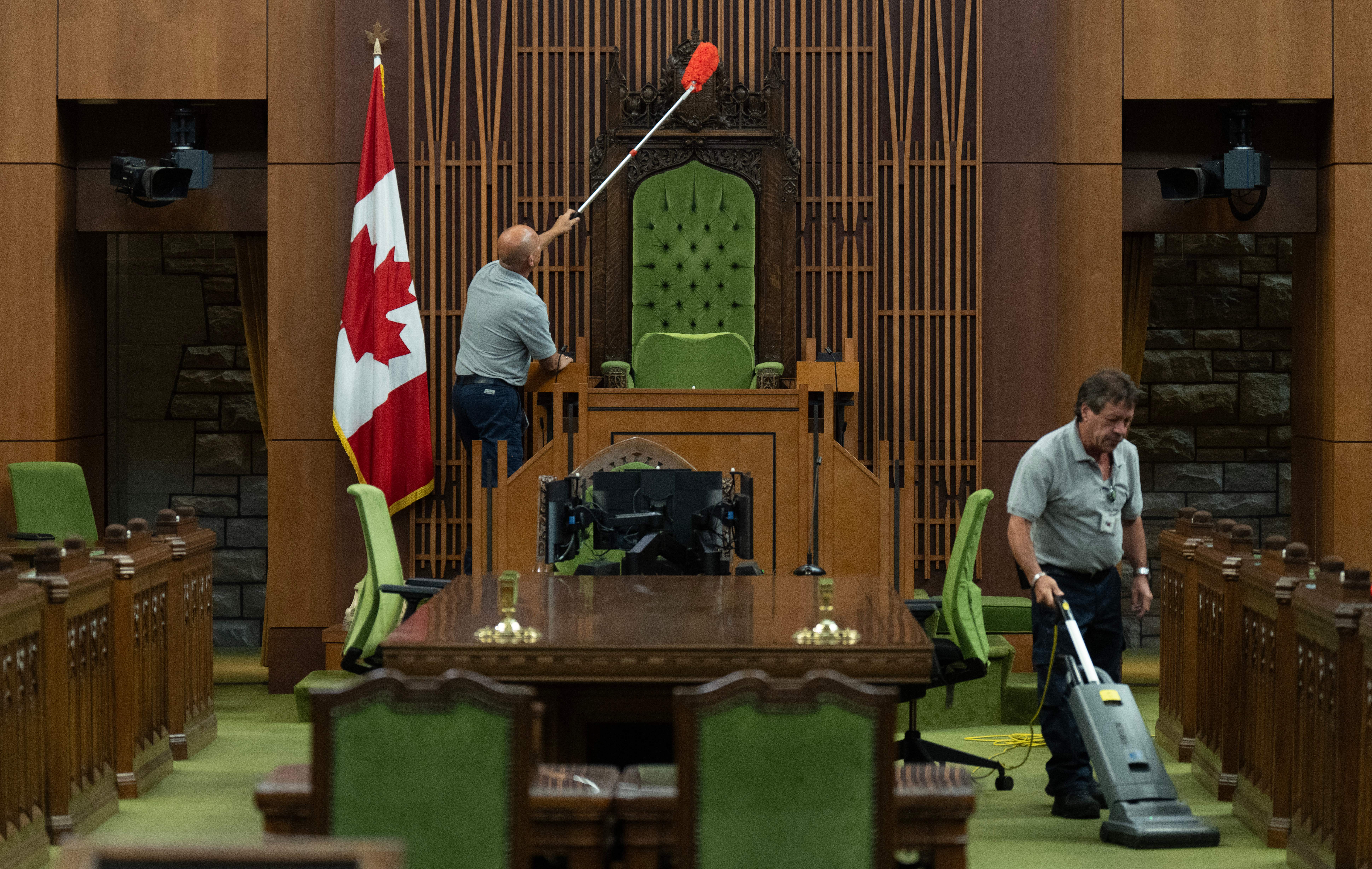
Parliament is back in session, and Ottawa isn't wasting any time. Prime Minister Mark Carney's government returned to the House of Commons with a clear signal that sweeping legislative changes are arriving fast. If you expected a quiet return after the summer break, you missed the entire point of this political moment. The central piece of this legislative agenda is Bill C-39, also known as the Building Canada Strong Act. It's designed to speed up major infrastructure and energy projects across the country, but it's already triggering intense friction with labour unions, environmental advocates, and opposition parties.
You need to understand what's actually happening behind closed doors in the capital. This isn't just standard political posturing or routine debate. The government wants to fundamentally reshape how major projects clear regulatory hurdles. Ministers argue that Canada needs to move much faster to counter external economic pressures, including ongoing trade friction with the United States and strategic shifts to strengthen economic and defence ties with European partners. Yet, speed always carries a cost. Critics are lining up to point out exactly who pays that price, and the backlash is testing party unity in ways the Liberals didn't anticipate.
Inside the Mechanics of Bill C-39
Let's look at the actual substance of the bill instead of getting lost in vague talking points. Bill C-39 is sprawling in scope, touching more than twenty-four different acts and regulations. It aims to streamline approvals for nation-building projects that usually get bogged down in bureaucratic red tape. Government House leader Steven MacKinnon has pushed hard to frame this legislation as an absolute necessity for job creation, regional investment, and economic resilience.
The strategy relies on a special committee review process rather than traditional standing committees. This choice alone raised immediate alarms among opposition members who view it as an attempt to bypass thorough legislative scrutiny. When a government uses specialized parliamentary tools to fast-track massive economic legislation, dissent inside and outside the chamber tends to erupt. Several Liberal backbenchers have already voiced public unease during debate, proving that party lines aren't holding as rigidly as party leadership might prefer. When backbench MPs start publicly questioning government bills on the floor of the House, you know the pressure from constituents is real.
The opposition parties wasted no time calling out the procedural shortcuts. NDP House leader Don Davies argued that shutting down regular participation in standing committees is fundamentally undemocratic. Meanwhile, Conservative MPs are preparing a barrage of amendments, aiming to chip away at the government's provisions while positioning themselves as defenders of local community rights. The legislative chess match is already brutal, and the bill has only cleared its initial hurdles.
Why Labour Unions are Drawing a Line
You can't talk about Bill C-39 without addressing the massive clash it created with organized labour. The legislation introduces significant adjustments to the Canada Labour Code, specifically targeting how and when the federal government can intervene in labour disputes within federally regulated sectors.
Labour leaders aren't staying quiet. Canadian Labour Congress President Bea Bruske made it clear that unions are watching every single clause. While workers want to support national economic resilience during tense cross-border trade disputes, they refuse to have their collective bargaining power stripped away. Unions argue that any measure restricting the right to strike fundamentally weakens worker rights at the exact moment they need bargaining strength the most.
The government insists that proper guardrails remain intact to ensure employers negotiate in good faith. Even so, labour organizations point out that giving ministers expanded authority to intervene in disputes tilts the playing field directly toward corporate interests. Trust is fragile right now, and unions don't buy the official reassurance. When industrial relations become a battleground inside an omnibus economic bill, negotiations across the country freeze up as workers prepare for a fight.
To make matters more complex, labour leaders point out the hypocrisy of asking unions to stand shoulder-to-shoulder with the government in trade battles against foreign protectionism while simultaneously tying their hands at domestic bargaining tables. You cannot demand solidarity from workers while undercutting their fundamental right to withhold labour when employers refuse fair terms.
Environmental Safeguards Versus Economic Urgency
Environmental groups are fighting on another front entirely. Projects designed to accelerate energy production and heavy infrastructure often clash directly with conservation mandates. Critics warn that fast-tracking approvals could turn certain regions into environmental sacrifice zones where local ecosystems take a permanent hit.
The government maintains that rigorous ecological standards will remain fully active. They argue that protecting the environment and building a strong economy can happen simultaneously. Experience tells us that when timelines shrink, thorough ecological assessments often get compressed, leading to oversights that become impossible to fix once bulldozers start moving. Local communities and wildlife advocates are demanding concrete guarantees, not vague promises from podiums in Ottawa.
Internal dissent on this front is particularly damaging for the governing party. When backbench voices like B.C. Liberal MP Patrick Weiler openly critique aspects of the government's own development bill during floor debates, it signals deep anxiety among representatives who have to answer to eco-conscious voters back home. Environmental protection isn't just an abstract talking point for these communities; it's a baseline expectation. Ignoring those concerns for the sake of speed creates a political vulnerability that opposition parties are more than happy to exploit.
The Broader Political Landscape on Parliament Hill
Politics on Parliament Hill is rarely straightforward, and the current dynamic under Carney adds a unique layer of complexity. High-profile departures, including former cabinet ministers stepping away over strategic pivots on energy and environmental policies, signal internal growing pains. Governing parties always struggle when their ideological base feels abandoned for the sake of pragmatic economic management.
The opposition is capitalizing on these fractures. Conservative Leader Pierre Poilievre and other opposition figures are using every single question period to press the administration on trade partnerships, worker rights, and government accountability. With several vacant seats requiring upcoming byelections across the country, every debate in the House carries weight far beyond Ottawa. Losing a safe seat sends shockwaves through a caucus, making backbench MPs exceptionally nervous about supporting controversial legislation.
Navigating International Pressures and Trade Realities
Domestic policy battles don't happen in a vacuum. The urgency behind Bill C-39 stems directly from external realities. Ongoing trade disputes with the United States mean Canada has to secure alternative supply chains and deepen alliances abroad. Recent diplomatic pushes, including strengthened relationships with European nations focusing on space and defence, highlight Ottawa's desire to diversify its economic portfolio. Target agreements like upcoming free-trade talks with international partners show that the administration is looking outward to secure long-term stability.
Yet, trying to project strength internationally while domestic stakeholders feel alienated creates a dangerous disconnect. If workers and environmentalists feel sidelined by emergency economic measures, the internal stability required to execute foreign trade strategies starts to crumble. A country cannot project unity abroad while its domestic labour force and provincial allies are at war with Ottawa over regulatory overreach. Economic security at home requires buy-in from the people who actually build and maintain the infrastructure.
What Happens Next in the Legislative Chamber
The path forward for Bill C-39 and the broader legislative agenda won't be smooth. Passing legislation through specialized committees gives the government a procedural advantage, but public sentiment and pushback from powerful stakeholders create high political risks.
If you're watching Canadian politics unfold, pay close attention to how committee hearings handle proposed amendments. Watch whether the government compromises on labour intervention rules or digs in its heels to prove a point. The outcome of this legislative battle will define the national economic trajectory for years and test whether fast-tracked development can coexist with genuine democratic consensus. The stakes couldn't be higher, and the clock is ticking down to the next electoral test.