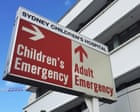
Nearly ten thousand people walked through Sydney emergency department doors on a single Monday, breaking historical winter records and triggering urgent warnings from state officials. If you're picturing packed waiting rooms, you're only seeing half the story. The real issue is a systemic bottleneck driven by a sharp rise in overlapping winter viruses.
When New South Wales Health Minister Ryan Park labels a twenty-four-hour period the biggest winter day in history, it's time to pay attention. But the constant messaging to stay away creates a dangerous paradox. People with actual emergencies start second-guessing their symptoms, while minor ailments continue to clog the triage desks.
The Reality Behind the Record Numbers
Let's look at what's actually happening on the ground. Western and south-west Sydney bore the brunt of the surge, fueled by a brutal mix of influenza, COVID-19, and respiratory syncytial virus (RSV). Ambulance callouts crossed the four-thousand mark, vastly outstripping predictive models.
Hospitals aren't failing because staff don't care. They're buckling because the physical infrastructure and patient flow mechanisms can't absorb a sudden, massive wave of respiratory illnesses all at once. When beds upstairs stay full, emergency departments turn into parking lots for stretchers.
Premier Chris Minns pointed out the obvious target for redirection: cuts, bruises, abrasions, and mild bugs that can safely wait. Yet, telling a worried parent or a vulnerable senior to stay home without giving them a clear, fast alternative leads to panic.
When to Go and When to Stay Home
You shouldn't head to an emergency department for a routine chest infection, mild fever, or minor sprain. Those conditions belong at a GP clinic, an urgent care service, or managed via telehealth.
However, hesitation can turn fatal if you ignore true red flags. If you suspect a stroke, experience crushing chest pain, suffer severe trauma, or struggle heavily to breathe, you throw the caution out the window. Go straight to the hospital or dial triple zero.
Medical staff would rather check out a false alarm than watch someone stay home until their condition turns critical. Nobody gets yelled at for being wrong about a life-threatening symptom.
Smarter Alternatives for Urgent Care
If you're sick and miserable but your life isn't hanging in the balance, using alternative pathways keeps you out of an eleven-hour waiting room.
- Healthdirect: Dial 1800 022 222 to speak directly with a registered nurse who can triage your symptoms and point you toward open local services.
- Urgent Care Centres: These walk-in clinics handle minor fractures, simple stitches, and moderate infections without the crushing delays of a major metropolitan hospital.
- Virtual Care Options: NSW Health continues to expand telehealth networks, letting you consult a clinician from your couch.
The state government's permanent winter command centre aims to redirect non-urgent ambulance cases away from overwhelmed sites and toward facilities with spare capacity. But systemic fixes take time. Right now, protecting your health means making smart choices about where you seek treatment before you step out the door.