Washington is selling you a sedative and calling it a cure.
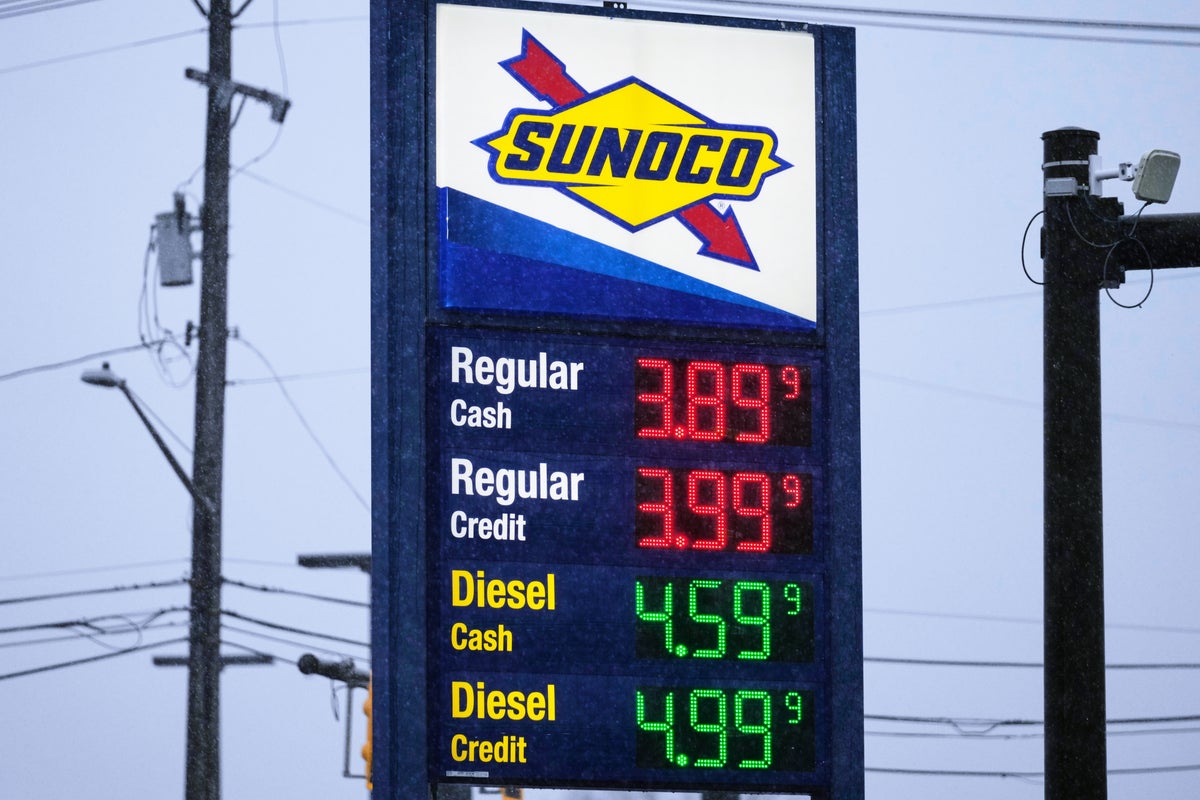
As gas prices tick upward, the political theater begins. Lawmakers from both sides of the aisle rush to microphones to demand a "gas tax holiday." It sounds compassionate. It feels like a win for the working class. It is, in reality, a masterclass in economic illiteracy and a direct raid on the very roads you’re driving on.
The federal gas tax—currently sitting at 18.4 cents per gallon for gasoline and 24.4 cents for diesel—hasn't been raised since 1993. If you adjusted that for inflation, we should be paying closer to 40 cents just to keep pace with the cost of asphalt and steel. Instead, we are watching politicians suggest we cut it to zero.
This isn't relief. It’s a predatory payday for oil wholesalers and a long-term tax on your car’s suspension system.
The Pass-Through Myth
The biggest lie in the "tax holiday" narrative is that the savings actually reach your wallet.
When a tax is removed at the pump, the price doesn't drop by 18.4 cents overnight. Markets are not that polite. Gasoline is what economists call an "inelastic" good in the short term. You need to get to work. You need to drop the kids at school. You aren't going to drive 50% more just because the price dropped by a nickel, and you aren't going to stop driving because it went up by a nickel.
Retailers and wholesalers know this. When the tax disappears, they have zero incentive to pass 100% of that savings to the consumer. History shows they pocket a significant chunk of the margin. In 2022, when several states implemented their own gas tax holidays, researchers found that a massive portion of the "savings" stayed with the oil companies and distributors. You’re not getting a break; you’re giving a multi-billion-dollar industry a backdoor subsidy.
Killing the Highway Trust Fund
The federal gas tax is the lifeblood of the Highway Trust Fund (HTF). This isn't a slush fund for pet projects; it is the primary mechanism for maintaining the Interstate Highway System and funding mass transit.
By suspending the tax, you are effectively bankrupting the account that fixes the bridge you cross every morning. We already face a massive backlog in infrastructure maintenance. According to the American Society of Civil Engineers, the U.S. has a multi-trillion-dollar infrastructure gap.
When the HTF runs dry, one of two things happens:
- The roads rot. Potholes multiply. Bridges get weight-restricted. Your "savings" at the pump are immediately eaten by the $600 repair bill for a blown tire or a cracked rim.
- General fund bailouts. Congress "fixes" the shortfall by moving money from the general fund. This is just shell-game accounting. It adds to the national debt, fuels inflation, and ensures that even people who don't drive—the urban poor and the elderly—are forced to subsidize your commute.
The Hidden Cost of "Cheap" Fuel
We have been conditioned to believe that cheap gas is a birthright. It’s not. It’s a distortion.
By artificially lowering the price of fuel through tax holidays, we are signaling to the market that it’s okay to remain inefficient. Every time the government steps in to blunt the edge of high energy prices, they delay the necessary transition to more efficient logistics, better public transit, and electric vehicles.
High prices are a signal. They tell a business to optimize their delivery routes. They tell a commuter to look into carpooling or rail. They tell an auto manufacturer that the era of the 12-mile-per-gallon SUV needs to end. When you remove that signal, you ensure that the next price spike hits even harder because no one bothered to change their behavior.
The Regressive Reality
The "tax holiday" is often framed as a way to help the poor. This is a fundamental misunderstanding of consumption patterns.
While lower-income households spend a higher percentage of their income on fuel, high-income households consume significantly more fuel in total. They drive larger vehicles, they drive more miles, and they often own multiple cars. A gas tax holiday is a wealth transfer to the person driving a luxury SUV from the person taking the bus.
If the goal is truly to help the struggling family, there are a dozen better ways to do it. Direct rebates, expanded Earned Income Tax Credits, or even vouchers for public transit would actually target the people in need. Instead, we choose a blunt instrument that rewards the heaviest consumers of a finite, polluting resource.
Infrastructure is a User Fee
We need to stop calling it a "gas tax" and start calling it what it is: a user fee.
If you use the road, you pay for the road. It is one of the few honest transactions left in the federal budget. The more you drive, and the heavier your vehicle is, the more you pay into the system that enables your mobility.
When we suspend this fee, we break the link between usage and maintenance. Imagine a scenario where a city decided to make all water free for three months because the cost of living was too high. People would water their lawns twice a day, the pipes would burst from the strain, and there would be no money left to fix the leaks. That is exactly what we are doing to our transit network.
The Inflationary Backfire
The irony of the gas tax holiday is that it can actually drive inflation higher.
Inflation is caused by too much money chasing too few goods. By putting a few extra dollars into every driver's pocket and encouraging them to consume more fuel, you are increasing demand for a product that is already in short supply. If supply can’t keep up, the base price of oil rises.
You end up in a loop: the government cuts the tax, demand stays high or increases, the oil companies raise the base price to capture the surplus, and the consumer ends up paying the same price they were before—only now, the government has no money for roads.
The Brutal Truth
The American obsession with the gas tax is a symptom of a larger refusal to pay for the society we want.
We want pristine highways, but we don't want to pay the 1993-era fee to maintain them. We want lower prices at the pump, but we don't want to invest in the alternatives that would give us actual energy independence. We want politicians to "do something," so they give us a temporary, 18-cent gimmick that solves nothing and breaks the future.
Stop asking for a gas tax holiday. Start demanding a functional infrastructure plan that isn't funded by accounting tricks and political cowardice.
If you can’t afford the 18 cents, the problem isn’t the tax. The problem is an economy that has tied your survival to a volatile global commodity and a crumbling strip of asphalt.
Buy a smaller car. Take the train. Demand better city planning. But stop falling for the lie that a tax holiday is anything other than a slow-motion wreck for the country's foundation.
Pick up the bill. Fix the roads. Move on.
Would you like me to analyze the specific economic impact of the 2022 state-level gas tax suspensions to see who actually captured the profit?