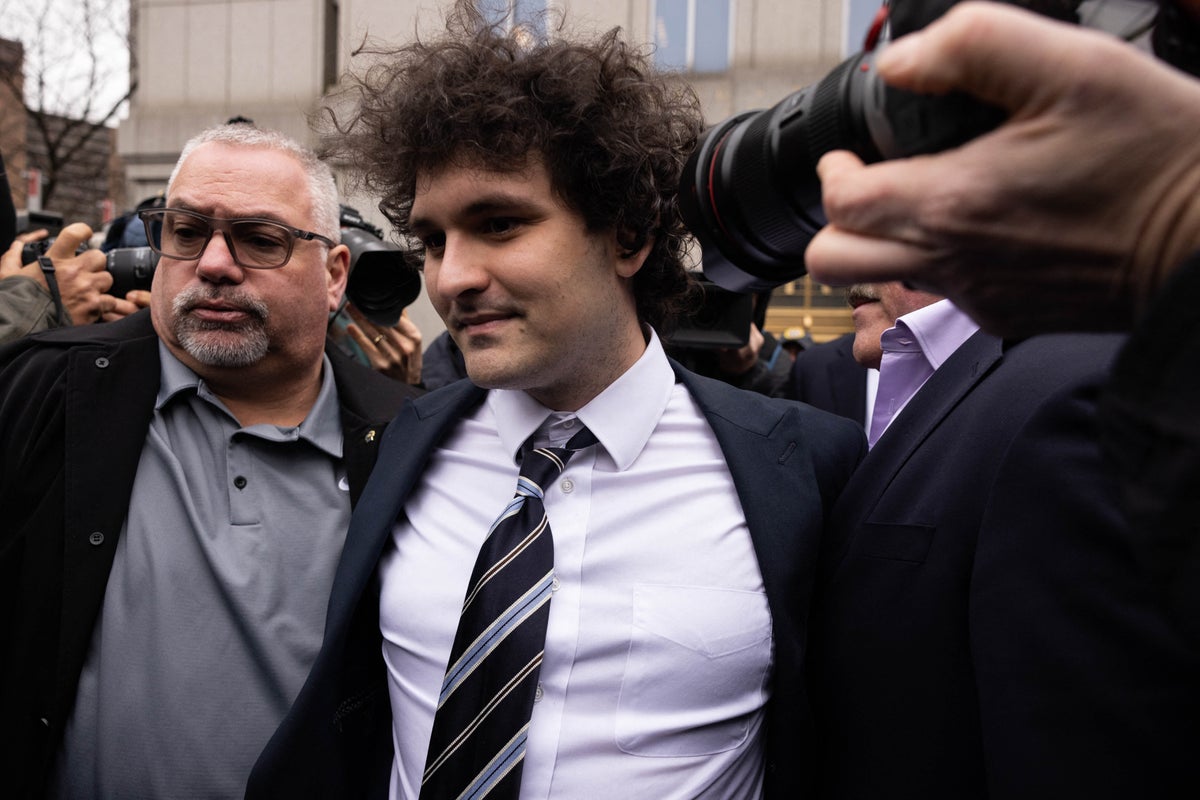
Sam Bankman-Fried officially submitted a formal pardon application to the Department of Justice Office of the Pardon Attorney, attempting to erase his 25-year federal prison sentence. The move highlights a calculated gamble by the disgraced FTX founder to leverage a White House that has shown unprecedented leniency toward crypto figures, including the recent pardon of Binance founder Changpeng Zhao. However, Bankman-Fried faces an insurmountable political barrier. President Donald Trump already explicitly ruled out clemency for him, rendering this official request a desperate act of legal theater rather than a viable path to freedom.
The filing marks the culmination of a quiet, multi-month rehabilitation campaign orchestrated from the Federal Bureau of Prisons facility in Lompoc, California. For over a year, Bankman-Fried’s parents, former Stanford law professors Joseph Bankman and Barbara Fried, have courted conservative legal operatives and media figures. They built a narrative focused on regulatory overreach and cooperative liquidation. Yet, the mechanics of presidential clemency are governed by optics, transactional politics, and public sentiment. On all three fronts, the former crypto billionaire is bankrupt.
The Mirage of Clemency and the Shadow of Binance
To understand why the fallen executive believed a pardon petition was worth the paperwork, one must look at the administration's track record since taking office last year. The White House executed an aggressive pivot toward the digital asset industry. Federal regulators dismissed dozens of pending enforcement actions against blockchain firms. More importantly, the administration granted a full presidential pardon to Changpeng "CZ" Zhao, the billionaire architect of Binance who served time for anti-money laundering violations.
The defense team viewed the Binance precedent as a green light. Press Secretary Karoline Leavitt defended the decision by framing the prior prosecution as a politicized war on cryptocurrency, explicitly noting that Zhao’s case lacked allegations of user fraud or identifiable consumer victims.
This is where the strategy breaks down completely.
Bankman-Fried is not a victim of regulatory overreach. A New York federal jury convicted him on seven counts of fraud, embezzlement, and criminal conspiracy after a mountain of evidence proved he funneled more than $1.7 billion in customer funds to his private hedge fund, Alameda Research. The distinction between a regulatory failure and a historic retail theft is clear. While the industry spends millions lobbying Washington and supporting prominent political ventures, no amount of capital can rewrite a narrative involving retail investors losing their life savings.
Inside the Failed Right Wing Courtship Strategy
The formal application did not emerge from a vacuum. It followed a deliberate, albeit flawed, media and network strategy.
While incarcerated, Bankman-Fried granted phone interviews, including a notable exchange where he expressed an absolute desire for presidential intervention while deferring entirely to executive authority. Behind the scenes, his inner circle attempted to cultivate relationships with influential conservative voices like Tucker Carlson. The objective was clear: reframe the collapse of FTX as a casualty of a hostile establishment rather than a deliberate corporate heist.
This strategy ignored a foundational rule of political survival. You cannot out-lobby a bad reputation when you are the face of the opposition's favorite talking point.
During his peak influence, Bankman-Fried directed over $40 million into political action committees, overwhelmingly favoring Democratic candidates and initiatives. He was the second-largest individual donor to Joe Biden’s 2020 campaign. For an administration built on dismantling the legacy of its predecessors, pardoning the chief financier of the opposing party's political machine is a non-starter. The political cost yields zero domestic return.
The Unmoved Executive
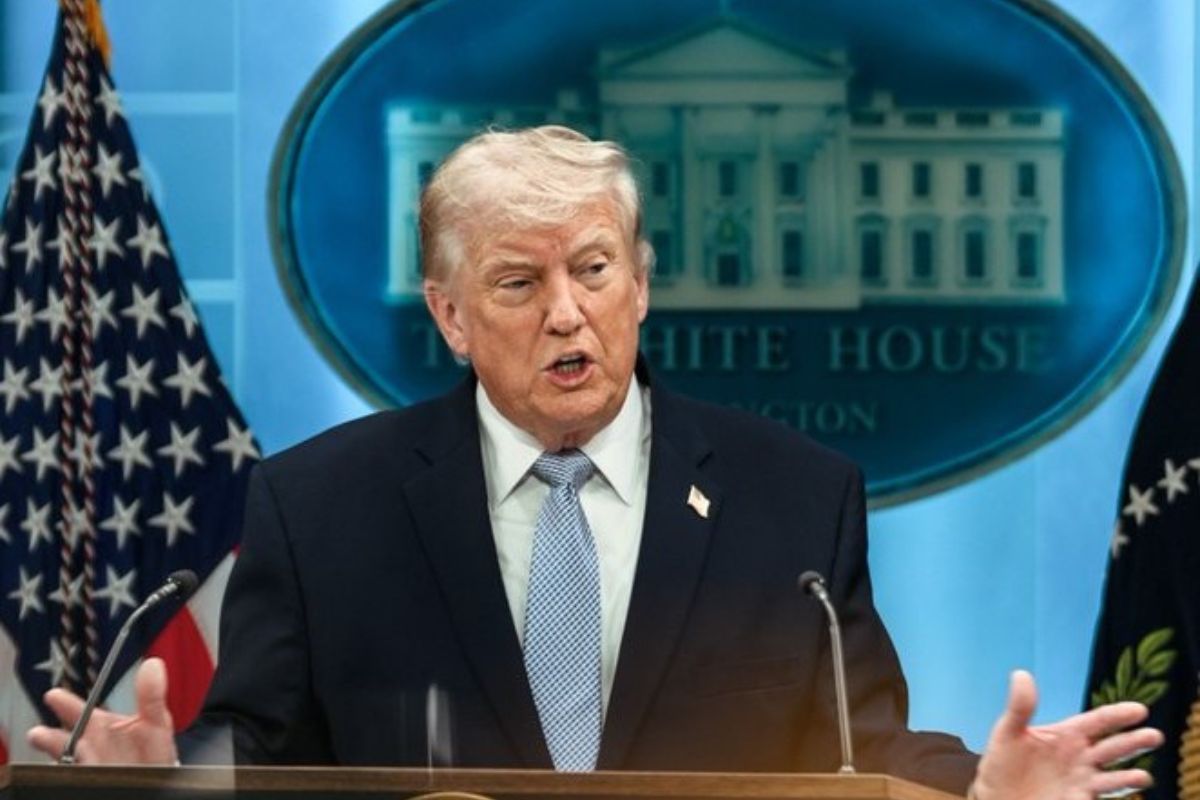
The definitive blow to the petition came directly from the Oval Office. During an interview with the New York Times, the president ran through a list of high-profile figures who would receive no assistance from his pen.
Bankman-Fried sat at the top of that list.
Predictive markets immediately reacted to the executive rejection. On platforms like Polymarket, the probability of a presidential release before 2027 plummeted to a mere single digit. The administration openly embraces digital currencies, holds financial ties to platforms like World Liberty Financial, and courts the base that trades memecoins. It is precisely because the White House is pro-crypto that it cannot afford to pardon the individual who nearly destroyed the asset class's legitimacy in the eyes of mainstream America.
The Mechanics of an Appeals Hail Mary
With the executive door shut, Bankman-Fried is left with his ongoing legal appeal in the US Court of Appeals for the Second Circuit. His legal team argued that the trial judge severely restricted the defense's ability to present evidence regarding asset recovery and the actual loss suffered by users.
This argument rests on a shaky premise. In federal fraud cases, the crime is completed the moment the deceptive taking occurs. The fact that bankruptcy lawyers later managed to claw back assets through aggressive restructuring does not negate the initial criminal intent or the execution of the fraud. The appellate court remains highly unlikely to overturn a unanimous jury verdict backed by cooperators from his own executive suite.
A Systemic Pivot
The broader digital asset market moved on from the era of the eccentric founder in cargo shorts. Wall Street institutions consolidated control over the sector through traditional exchange-traded products, institutional custody solutions, and compliant financial structures. The era of the wild-west offshore exchange is being systematically dismantled by design.
Advocacy groups like Americans for Financial Reform continue to monitor the situation, using the petition as proof that industry figures still operate with an expectation of systemic impunity. They demand strict ethics language in pending Senate legislation to prevent future executive interventions in financial crimes.
Bankman-Fried remains housed in a low-security unit in Lompoc, facing a projected release date of June 17, 2044. His official request to the Department of Justice will sit in a pending status queue, a bureaucratic monument to a bygone era of unchecked hubris. He played the ultimate game of leverage during his rise, but the mathematics of a presidential pardon require currency he simply no longer possesses.