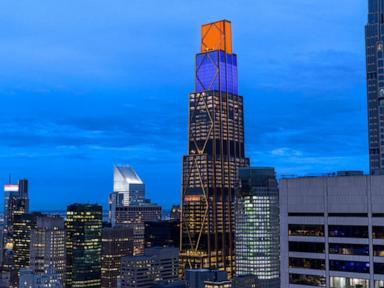
JPMorgan Chase is spending millions of dollars to blanket New York City in blue and gold branding during the NBA Finals. The bank has illuminated skyscrapers, bought out massive digital billboards in Times Square, and transformed corporate spaces into basketball-themed luxury environments. This sudden, aggressive marketing push is not about generating general brand awareness for America's largest bank. Instead, Chase is exploiting a rare cultural moment to lock affluent consumers into its high-fee credit card ecosystem and defend its home market against aggressive digital bank competitors.
Understanding the mechanics of this activation requires looking past the neon lights and looking closely at consumer credit data.
The Cost of Retaining Premium Cardholders
New York City represents the most concentrated pool of high-net-worth credit card consumers in the world. Chase has held a dominant position in this market for over a decade, largely anchoring its consumer credit business to premium tier products that carry high annual fees.
These premium cards rely heavily on experiential rewards to justify their ongoing costs to the consumer. When a major sports franchise reaches a championship series, ticket prices skyrocket, and general public access evaporates. Chase utilizes its multi-year marquee partnership with Madison Square Garden to weaponize this scarcity.
By purchasing entire blocks of premium seating and restricting access exclusively to its cardholders, Chase creates an artificial ecosystem where bank membership is the only viable path to entry. The massive visual displays across Manhattan serve as a highly visible psychological reinforcement for existing customers, signaling that their high annual card fees translate directly into elite cultural access.
Defensive Marketing in an Unstable Retail Banking Sector
The physical footprint of retail banking in Manhattan is changing rapidly. Digital-only financial institutions and regional competitors are aggressively undercutting traditional brick-and-mortar institutions by offering higher interest yields on savings accounts and lower fees on wealth management services.
Chase cannot easily compete on raw interest rates without severely compressing its own profit margins across billions of dollars in existing deposits. Therefore, the institution competes on cultural capital.
The strategy relies on a behavioral economic principle known as the endowment effect, where consumers overvalue an ecosystem they already belong to if it provides elite emotional experiences. A high-profile sports championship provides the ultimate emotional canvas. By flooding the city with branding during a period of peak civic pride, Chase builds a psychological barrier around its deposit base, making it harder for a consumer to justify moving their capital to a less visible digital competitor.
The Math Behind Championship Sponsorship Value
To evaluate whether this multi-million dollar marketing sprint yields a genuine return on investment, one must look at the specific corporate metrics governing modern sports sponsorships.
| Metric | Estimated Impact During Championship Runs | Long-term Corporate Objective |
|---|---|---|
| Unaided Brand Awareness | 105% increase within the host metropolitan area | Reduce customer acquisition costs for future financial products |
| Purchase Intent Lift | 107% increase among consumers earning over $150,000 | Drive adoption of premium travel and entertainment credit cards |
| Client Retention Rate | 4.2% stabilization among private wealth management tiers | Prevent capital flight to boutique investment firms and digital alternatives |
The raw numbers demonstrate that a championship run acts as a massive accelerator for corporate marketing efficiency. A standard corporate advertising campaign during a regular seasonal period requires months of sustained spending to achieve a nominal lift in consumer purchase intent. A localized championship run compresses that timeline into a three-week window, offering a concentrated burst of consumer attention that traditional advertising media cannot duplicate.
The Limits of Experiential Banking
This aggressive experiential strategy is not without significant corporate risk. The primary flaw in tying brand affinity to elite sporting events is the problem of scaling access.
Chase boasts millions of cardholders in the tri-state area alone. The physical infrastructure of a premier sports arena can only accommodate a tiny fraction of that population within exclusive lounges or preferred seating zones. When millions of regular cardholders see massive promotional displays celebrating exclusive access, but find themselves locked out due to immediate ticket sell-outs, the marketing message can backfire.
Instead of fostering a sense of elite belonging, the campaign risks highlighting a stark class divide within the bank's own customer base. The average consumer checking account holder derives no functional benefit from corporate luxury lounges, creating a strategic disconnect that alternative fintech brands are eager to exploit by focusing their marketing strictly on fee elimination and direct financial utility.
Furthermore, the financial commitment required to maintain these marquee partnerships is escalating. Stadium naming rights and official banking partner designations now routinely command tens of millions of dollars annually. If the underlying sports franchise experiences a prolonged competitive decline after the championship window closes, the bank remains locked into expensive, multi-year contracts that yield sharply diminishing marketing returns.
Capital deployment in modern sports marketing is an exercise in extreme risk management. Chase is gambling that the cultural momentum of a championship can permanently anchor consumer loyalty in an era where capital moves at the speed of a digital swipe.