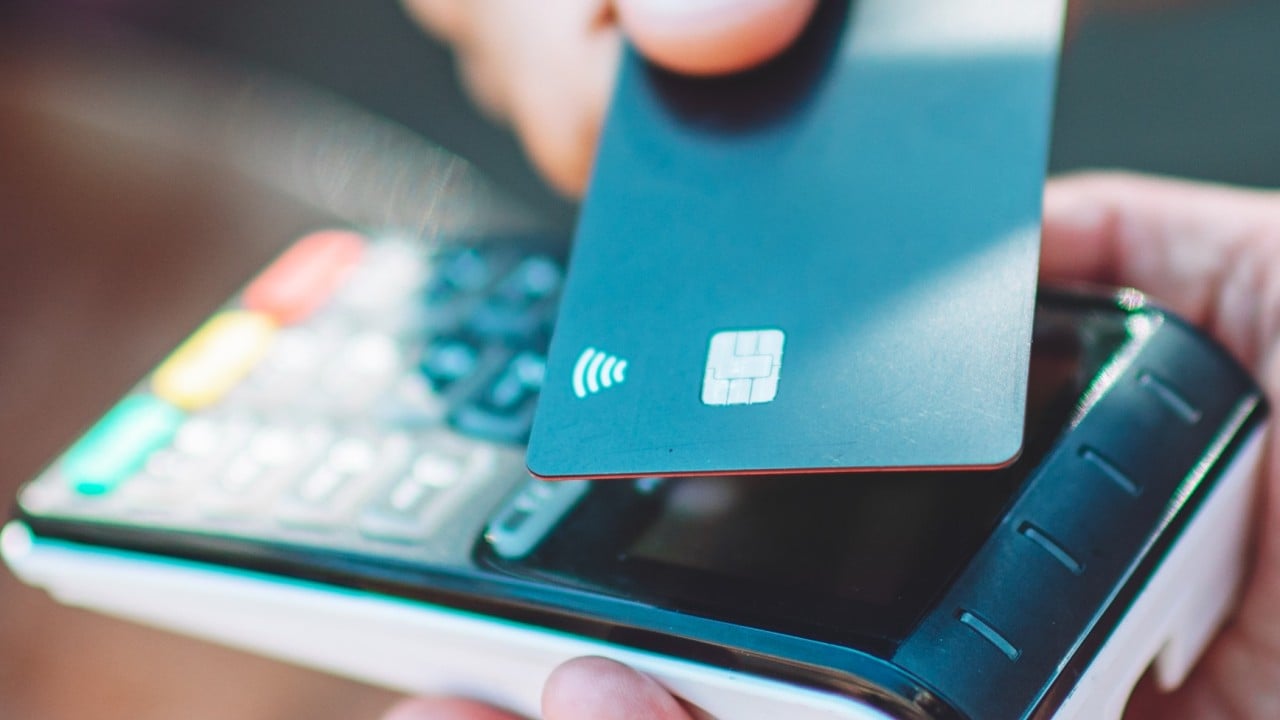
Tap. Approve. Done.
That is the entire ritual. A thumb hovers over a glowing glass screen in a crowded Kuala Lumpur train car, the air smelling faintly of rain-soaked asphalt and pandan pastry from the stall outside. Two hundred ringgit for a pair of running shoes that promise to make the morning commute feel less like a punishment. A split payment option pops up before the screen even dims. Three easy installments. Zero interest if paid on time. Why wait until payday when the feeling of a fresh start can arrive in a cardboard box tomorrow afternoon?
Numbers. Big ones. A headline talks about young Malaysians racking up roughly US$1.3 billion in short-term credit, and suddenly the tap of a thumb sounds less like a modern convenience and more like a drumbeat. Warnings about bad debt follow close behind, recited by economists and financial counselors who have watched this movie play out in other currencies, other decades, other cities. Yet to the person holding the phone, US$1.3 billion is an abstraction so vast it ceases to feel real. A billion dollars does not sit in your pocket. A twenty-five-ringgit installment does.
I know how small a debt looks before it grows teeth. Years ago, sitting at a kitchen table that wobbled whenever I leaned on my elbows, I stared at a stack of envelopes with that familiar, sour knot in my stomach. None of the individual charges had felt reckless at the moment they happened. A last-minute bus ticket home. Dental work that could not wait. A jacket because the wind cut straight through the thin cotton one I owned. Each decision made sense on its own Tuesday. Together, at the end of the month, they formed a wall I could not climb over without borrowing from next month's breath.
That is the trap at the heart of short-term credit. It does not arrive like a burglar breaking down the front door. It slips in through the back window wearing a friendly smile, offering to carry your groceries for a few blocks until your legs stop aching.
How Small Promises Multiply in the Dark
To understand why young adults across Malaysia are leaning so heavily on buy-now-pay-later plans, credit lines, and quick-turnaround borrowing, we have to look past the screens and into the math of starting out. Entry-level wages rarely stretch as far as ambition hopes they will. Rent in dense urban hubs takes a stubborn bite out of a first paycheck. Groceries, transit, mobile data, sending a little money home to aging parents—by the third week of the month, the margin for error is razor-thin.
Short-term credit steps into that narrow gap like a bridge over a rushing creek. You do not need a thick credit history or a pile of collateral. Approval takes seconds, often backed by automated checks that look at spending habits and digital footprints rather than decades of financial stability. For a twenty-something trying to build an adult life, being told yes in three seconds feels like respect. It feels like being treated as capable and grown-up.
Consider a hypothetical scenario to see how quickly the math shifts. Imagine Aiman, twenty-four, working an entry-level logistics job in Petaling Jaya. His base pay covers his room, his transit card, and simple meals, leaving just enough for a modest buffer—until his phone battery dies completely and his work shifts rely on messaging apps and navigation tools. He takes a short-term installment plan for a replacement phone. Two weeks later, a friend's wedding requires travel and a gift, so he splits another expense into three payments. None of these choices come from malice or greed. They come from ordinary life colliding with a tight budget.
Now imagine what happens when Aiman's hours are cut for two weeks, or an unexpected medical bill lands on a Friday afternoon. Suddenly, three separate payment schedules overlap on the same calendar week. A late fee attaches to one. A rolling balance carries over on another. What began as a tool to smooth out timing differences turns into a tug-of-war between today's basic needs and yesterday's promises.
Economists call this liquidity strain and rising delinquency risk. In plain language, it means running out of cash while still owing favors to the calendar.
Using a metaphor helps make the invisible mechanics clearer. Think of short-term credit like carrying buckets of water across a hot courtyard. One bucket is light enough to walk briskly. Two buckets slow your stride. Hang four or five from your shoulders, and even a flat path starts to feel uphill. If you trip on a loose stone, the water spills—and because you are already weighed down, picking up the slack takes twice the effort.
The Emotional Weight Behind Every Bill
Money stories are rarely just about interest rates and repayment schedules. They are about pride, shame, and the quiet theater we perform so nobody knows we are struggling.
Young adulthood carries a heavy unspoken script. You are supposed to figure things out quickly. You are supposed to look put-together in group photos, afford weekend cafe trips, and handle emergencies without calling home in a panic. When a bill slips past its due date, the shock is not merely financial. It hits self-worth.
I still remember the quiet humiliation of declining a simple lunch invite because my account balance had dipped below what a plate of noodles and iced tea cost. I made up an excuse about deadlines. Nobody guessed the truth, which somehow made the secrecy heavier. When you hide financial strain, you carry it alone, and isolation makes bad decisions more likely. Stress narrows attention; when your brain is busy worrying about next week's shortfall, long-term planning feels like a luxury reserved for calmer days.
That is where predatory or poorly paced short-term credit becomes dangerous. When borrowing is frictionless, the cost of being slightly wrong about your future cash flow goes up. A single missed payment can trigger penalties, damage credit standing, or push someone toward higher-cost borrowing just to plug a leak. Multiply that across hundreds of thousands of young earners navigating rising living costs, and a personal cash crunch becomes a broader economic warning sign.
Warnings about bad debt are not meant to scold an entire generation for wanting comfort or needing a lifeline. Blaming young people for participating in financial tools designed to be effortless misses the point. Convenience is engineered to feel natural. Buttons are placed where thumbs rest. Language is framed around flexibility and control rather than obligation.
Still, feeling understood does not pay a bill. The gap between knowing why a system tempts you and protecting yourself inside it is where real agency lives.
Reading the Fine Print of Your Own Future
If short-term credit has a superpower, it is speed. Its weakness is that it borrows energy from your future self without asking your future self if they have energy to spare.
Before tapping confirm on any split-payment option or quick credit line, it helps to pause for ten seconds and ask a question that sounds simple but changes everything: If my paycheck arrived five days late this month, would this payment still feel easy?
If the answer is no, the credit is not smoothing your cash flow. It is betting on perfection.
Here is a practical way to test whether short-term credit is serving you or quietly draining you:
- Add up the ghost commitments. Open every app, wallet, and card where installments or short-term balances live. Write down the total monthly drain, not just the individual payments. Seeing four small numbers side by side often reveals a larger sum than expected.
- Check the stack. Avoid letting more than two or three short-term payment plans overlap at once. Overlapping obligations turn minor hiccups into chain reactions.
- Build a micro-buffer first. Even a small stash of cash set aside in a separate account acts as shock absorber. Having a few hundred ringgit waiting for emergencies keeps you from turning every surprise into a debt contract.
- Separate needs from mood. A broken appliance or an urgent trip is a genuine timing problem. A flash sale on something you only noticed five minutes ago is an impulse dressed up as a bargain.
None of this requires becoming a spreadsheet monk or swearing off modern tools forever. Money management is a skill, not a personality trait, and I will be honest: even after years of learning the hard way, I still catch myself rationalizing small extras when I am tired or stressed. Being aware of that pull does not make you immune to it, but it gives you a split second to breathe before your thumb moves.
Historically, every wave of easier consumer credit—from department store ledgers to revolving plastic to instant digital checkouts—has followed a familiar arc. First comes excitement and rapid adoption. Then comes a reckoning when household budgets meet real-world shocks like inflation, job shifts, or health expenses. Policymakers, lenders, and borrowers all end up learning lessons that look obvious in hindsight and murky in the moment.
For young Malaysians stepping into the workforce amid high expectations and tight margins, the stakes are personal and immediate. Bad debt does not just show up on a ledger; it can delay moving out, postpone savings, keep someone stuck in a job they cannot afford to leave, or turn a bright start into years of playing catch-up.
A headline about US$1.3 billion can sound distant, like weather happening in another province. Yet weather changes the air we walk through every day. Pay attention to the forecast before you step outside without a coat.
Late at night, when the city outside finally quiets down and only the hum of a ceiling fan fills the room, the phone screen is dark. There are no pop-up prompts, no countdown timers, no one nudging you to split a payment into three. Just you, the quiet, and the honest math of what you actually have to give tomorrow.