For years, political commentators and partisan media have hyper-ventilated over a singular narrative line: the familial ties connecting New York Supreme Court Justice Juan Merchan to a Democratic political consulting firm. Headlines scream about subpoenas, grand jury reviews, and digital footprint tracing directed at Authentic Campaigns, a firm once co-owned by the judge's daughter, Loren Merchan. The lazy consensus treats this connection as a smoking gun of institutional corruption or, conversely, as a fabricated conspiracy theory unworthy of a second glance.
Both sides are missing the point.
The entire debate surrounding the Authentic Campaigns subpoena by federal prosecutors in Chicago is a masterclass in misdirection. It reduces complex criminal procedure and federal investigative mandates into a reality television subplot. I have spent years watching legal analysts chase shiny objects while the structural plumbing of the American justice system remains completely misunderstood. If you think a family business connection dictates the outcome of a state-level felony prosecution, you do not understand how criminal dockets actually function.
The Lazy Consensus And Its Flaws
The mainstream media framing suggests that federal interest in a political fundraising entity tied tangentially to a state judge's family is either a direct vindication of political bias claims or an outrageous overreach by partisan actors.
This binary is false.
When the U.S. Attorney's Office for the Northern District of Illinois issues a subpoena, it is not operating as a personal grievance committee for high-profile defendants. Federal investigative bodies operate under strict internal review thresholds, grand jury parameters, and specific statutory targets. The initial wide-net subpoena directed at Authentic Campaigns—demanding internal communications involving heavy-hitting Democratic clients like Kamala Harris, Joe Biden, and the DNC—was standard operating procedure for a broad digital footprint review.
When high-powered defense teams, including former Manhattan U.S. Attorney Preet Bharara, stepped in to push back, the ensuing negotiation resulted in a drastically narrowed scope. Prosecutors honed in on specific transactional data, such as a modest 468 dollar payment from the Harris campaign and localized communications.
If federal investigators were running a retaliatory hit job, they would not quietly scale back their demands to minor line items and digital breadcrumbs without subsequent follow-up subpoenas to key individuals. The absence of follow-up actions targeting Loren Merchan or firm founder Mike Nellis indicates a standard investigative dead-end or a routine file closure, rather than an impending constitutional earthquake.
The Real Issue Is Structural, Not Personal
Focusing on familial employment ignores how state judicial ethics and recusal standards are actually built. Under New York judicial ethics frameworks, a relative's employment in a legitimate, lawful industry—even one partisan in nature—does not automatically mandate a judge's recusal.
Imagine a scenario where every state and federal judge was forced to recuse themselves because a blood relative worked for a corporation, law firm, or consulting agency that interacted with political entities or corporate giants with litigation pending in court. The entire judiciary would grind to an absolute halt. Judges would have to audit their adult children's employment portfolios daily.
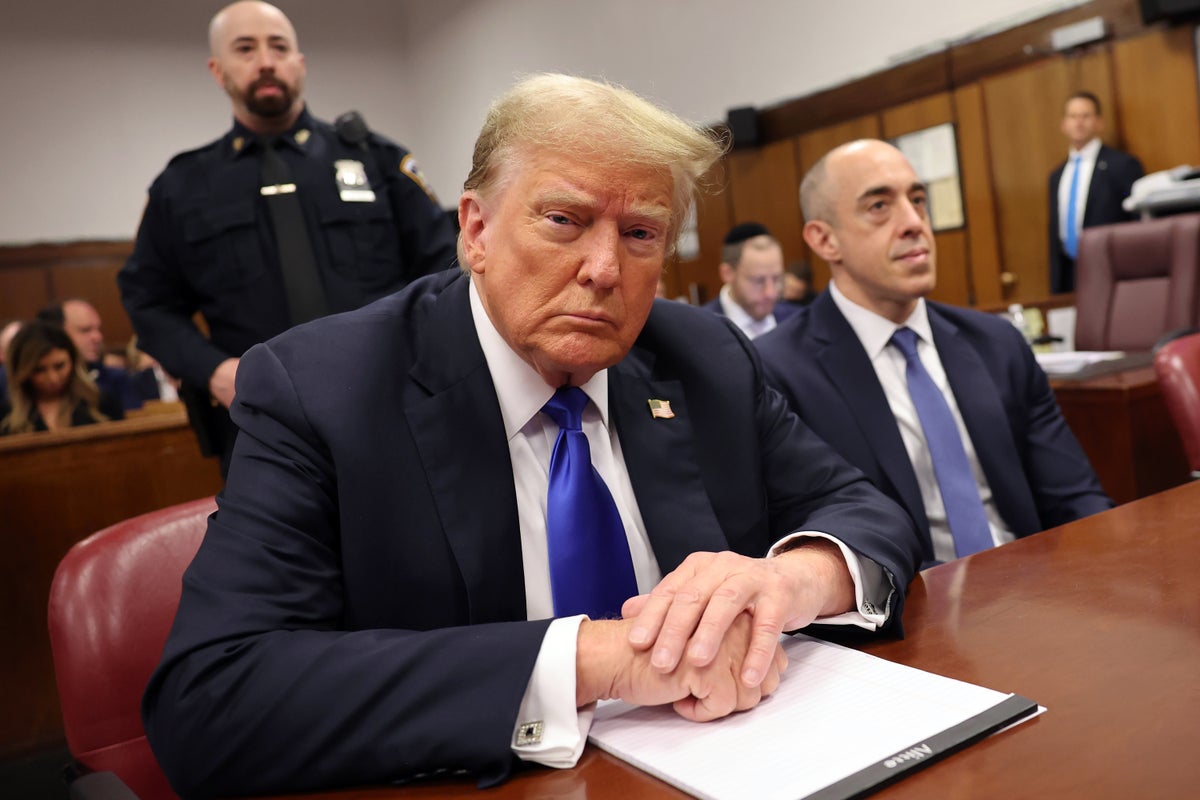
The law requires a direct financial stake or an unambiguous conflict of interest in the specific outcome of the matter at bar, not generalized guilt by association. The judicial ethics panel in New York evaluated these exact ties and ruled that they did not meet the threshold for recusal. You can dislike the outcome of People v. Trump, and you can criticize the 34 felony counts of falsifying business records, but blaming the verdict on an adult child's resume is intellectually lazy. It substitutes legal analysis with tribal grievance.
Stop Looking At The Wrong Docket
The obsession with peripheral political consulting firms distracts from the actual mechanics of white-collar prosecution. The hush-money case was built on paper trails, bank statements, ledger entries, and internal corporate accounting documents managed by the Trump Organization and executed through intermediaries like Michael Cohen.
Whether a digital vendor working for national campaigns existed or not had zero bearing on whether business records were falsified under New York Penal Law Section 175.10. The state's case stood or fell on the testimony of witnesses and the physical exhibits entered into evidence during the trial.
When commentators treat political noise as substantive legal critique, they actively train the public to misunderstand how power works in the courtroom. Real legal accountability is boring. It involves motions in limine, jury instructions, evidentiary objections, and appellate briefs. It does not happen on social media feeds or through congressional committee subpoenas designed primarily for media consumption.
Stop treating systemic legal processes like a soap opera. The next time a headline attempts to tie a judge's family tree to a grand jury subpoena, look past the names and examine the actual scope of the legal filings. You will find that the noise is inversely proportional to the evidence.