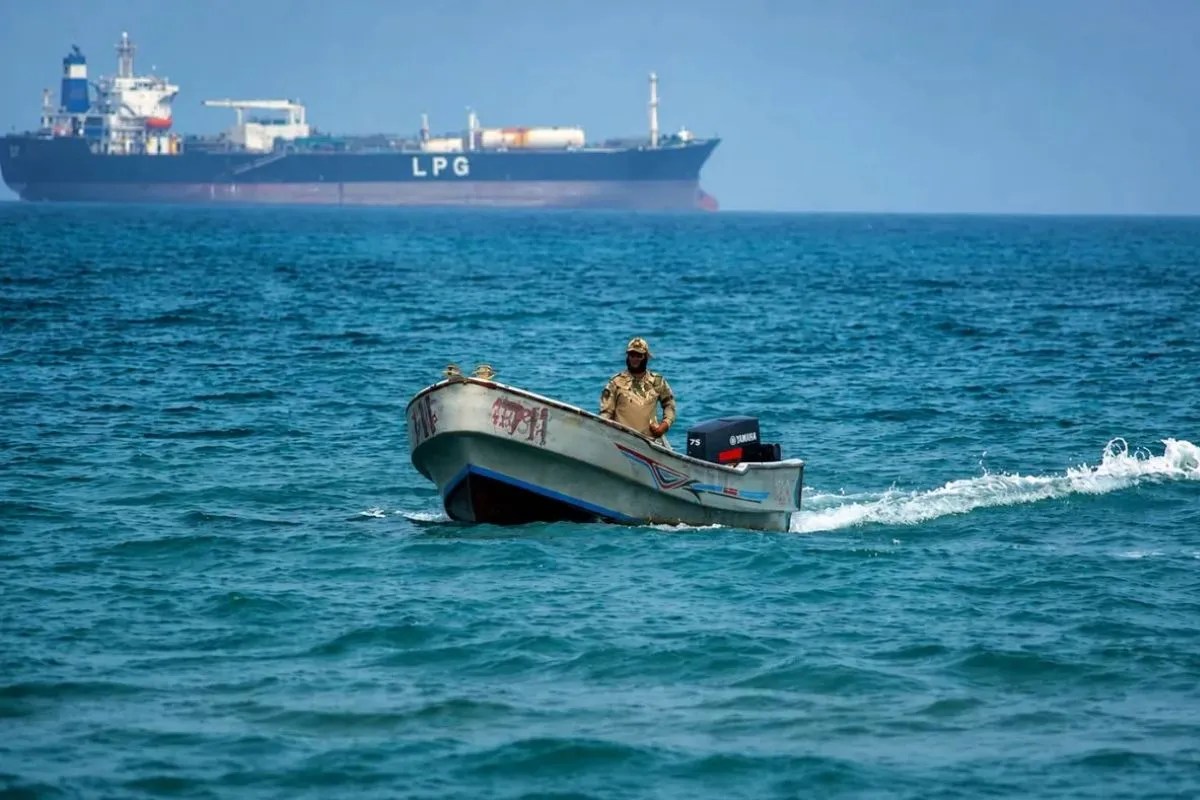
The headlines scream about a humanitarian crisis caught between cartel bullets and foreign interventions. It is the standard script. Pick a coastal town in Ecuador, point a finger at the drug trade, lament the geopolitical crossfire, and count the casualties.
It is neat. It is emotional. And it is profoundly wrong.
When international media covers places like Esmeraldas or Manta, they treat local fishermen as passive casualties of an external storm. They tell you that American maritime enforcement and ruthless trafficking syndicates are two opposing fires burning the common man to ash. That frame treats the crisis as an accidental collision of bad actors.
I have spent years looking at maritime logistics, illicit supply chains, and coastal economics. The reality on the ground is not an accidental crossfire. It is a systematic restructuring of the Pacific littoral, and the local fishing communities are not just caught in the middle—they are the primary currency in a war of economic displacement.
The Myth of the Accidental Crossfire
The consensus narrative relies on a comfortable fiction: that cartels arrived like a hurricane, disrupting a peaceful fishing paradise.
The truth is far more clinical. Traditional artisanal fishing along the Ecuadorian coast was already collapsing long before the first go-fast boat touched local waters. Industrial overfishing by foreign fleets at the edge of the Exclusive Economic Zone had already gutted the local catch. Depleted stocks meant profit margins for independent fishermen evaporated.
When economic desperation sets in, infrastructure follows.
Cartels didn't conquer these coastal communities by force; they occupied an economic vacuum left behind by state neglect and marine depletion. The local fisherman who finds himself hauling fuel canisters or piloting outboard engines isn't just a victim of coercion. He is often participating in the only remaining cash economy in a town where the legitimate fishing cooperative went bankrupt five years prior.
Treating this as a simple security failure lets the state and global trade policies off the hook. It ignores the structural decay that made these coastal hubs ripe for cartel capture in the first place.
The Geopolitical Sleight of Hand
Look closer at the intervention narrative. We are told that foreign military pressure and counter-narcotics operations are tightening the noose around transnational smuggling rings.
Every time a patrol boat intercepts a shipment or an airstrike targets a logistics hub, official reports celebrate a victory. But step back and look at the market dynamics. Law enforcement pressure does not destroy demand; it increases the friction of transport. Higher friction drives up the street value of the product, which in turn incentivizes syndicates to pay higher premiums for local maritime couriers.
The militarized response actually deepens the local dependency on the illicit economy. When every legitimate economic avenue is choked by regulation, inflation, and resource depletion, the cartel becomes the highest bidder in town.
To break this cycle, you have to stop treating drug trafficking as a standalone law enforcement puzzle. It is a symptom of coastal destitution.
What The PAA Queries Get Wrong
People typing questions into search engines about Ecuador's security crisis usually ask: How can the government protect local fishermen from cartels?
That question assumes the government's primary goal is protection, and that the cartels are an invading army distinct from the local fabric. Both assumptions fail under scrutiny.
Protection without economic alternative is a dead end. If you deploy naval assets to every cove without rebuilding the legal marine economy, you simply drive the underground market further into the shadows, making the fishermen more vulnerable to extortion from both criminal gangs and corrupt security forces.
The correct question is: How do we rebuild local marine sovereignty so that legitimate labor out-earns illicit transport?
Until policymakers address the destruction of local fisheries and the total absence of formal financial infrastructure in these coastal cantons, every military surge will simply function as a temporary shock to a system that adapts, reorganizes, and comes back stronger.
The Blueprint For Real Disruption
Fixing this requires abandoning the language of pity and adopting the rigor of economic restructuring.
First, stop funneling all resources exclusively into kinetic military interdiction. Interdiction without alternative livelihoods is just whack-a-mole with human lives.
Second, enforce real accountability on industrial fishing fleets that strip-mine the territorial waters of small nations, robbing local populations of their natural sustenance. When a fisherman can make a living catching fish legally, the opportunity cost of running contraband skyrockets.
Third, dismantle the financial opacity that allows cartel capital to wash through local municipal economies. Corruption at the port level keeps the entire apparatus functioning.
We can keep writing sympathetic obituaries for communities caught between two fires. Or we can admit that the fire was deliberately lit by our refusal to address the root economics of abandonment.
The choice is ours. But don't expect the cartels to leave until the legal economy offers something better than survival on the edge of a gun.