Hope usually dies after forty-eight hours in a collapsed tunnel. Total darkness takes away your sense of direction within a day. Panic sets in quickly. Then the hallucinations begin.
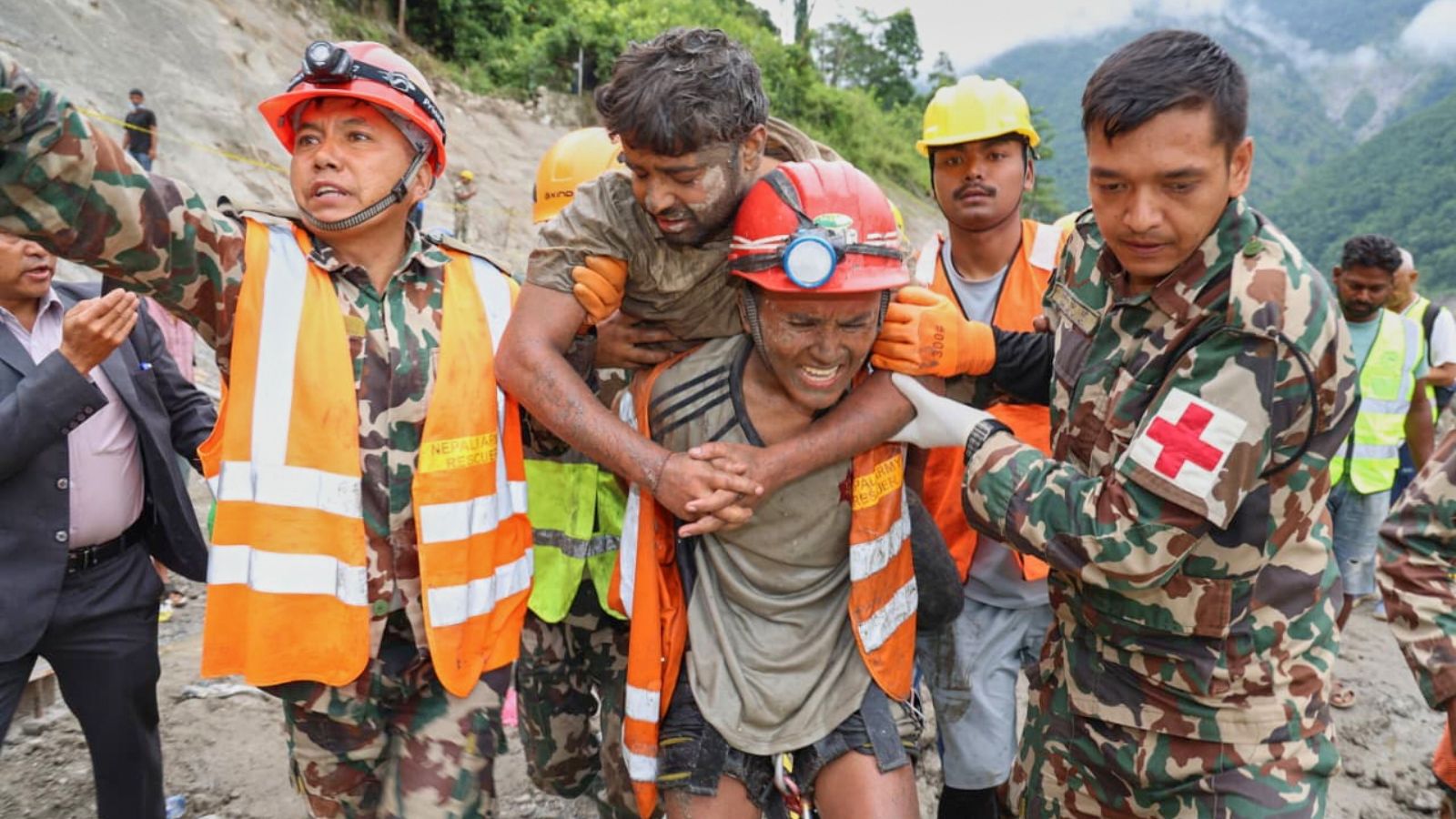
Yet, deep inside the Trishuli 3A hydropower plant in central Nepal, two men defied every medical statistic. Rescuers pulled Sanjay Sah and Kabir Maharjan alive from a mud-choked underground passage. They had survived nine days trapped beneath tons of debris following a catastrophic flash flood.
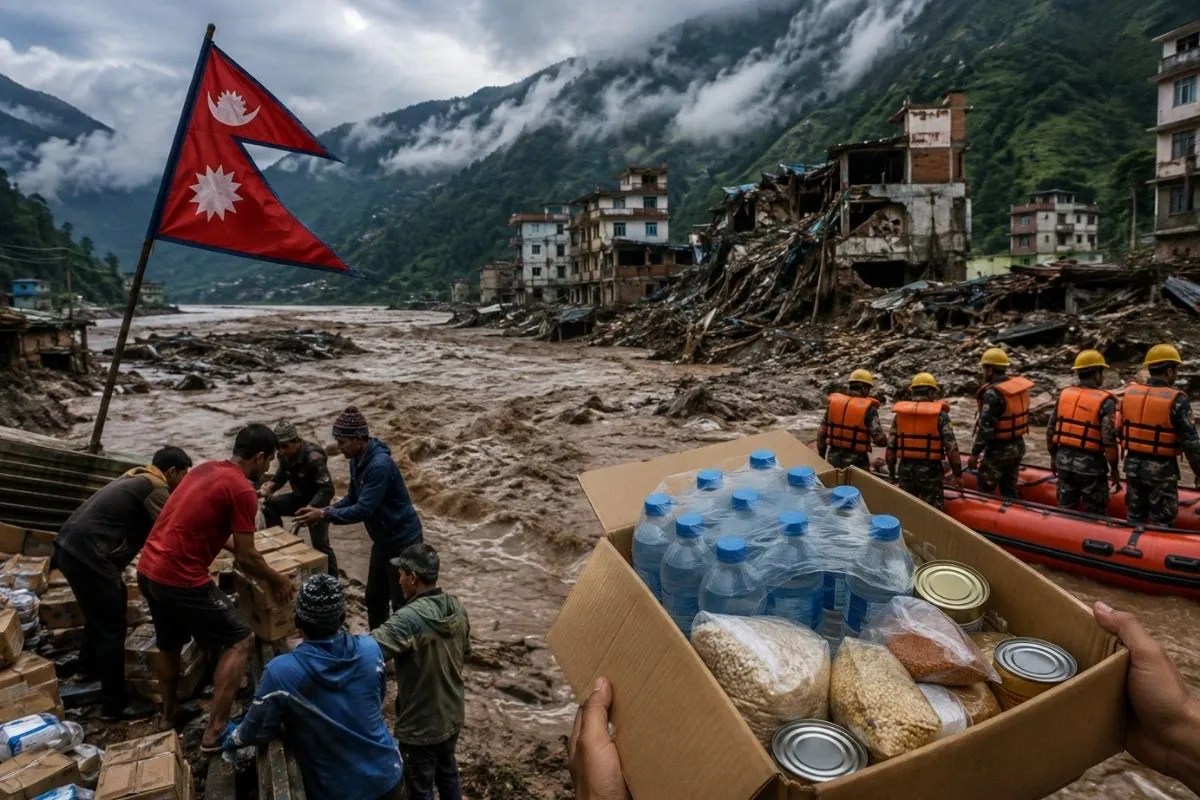
The disaster struck on August 26, triggered by a massive glacier collapse near the border. Walls of water, mud, and boulders tore through river valleys, destroying infrastructure and trapping hundreds of construction workers underground. Local authorities estimate that roughly five hundred workers remained trapped across multiple hydropower tunnels in the region. As days turned into a full week, rescue operations shifted from searching for survivors to a grim recovery effort.
Everything changed on a Friday morning when rescue teams boring into the Trishuli 3A plant heard muffled sounds.
What Happened Inside the Trishuli 3A Tunnel
Rescuers didn't just stumble upon the survivors by accident. Teams from the Nepali Army and Armed Police Force were actively clearing massive blockages of thick silt when they heard human voices echoing through the metal and rock.
Lawmaker and engineer Shri Ram Neupane detailed the breakthrough. When the rescue crew shouted into a small opening, calling out instructions not to panic, a voice answered back from the pitch black.
That simple exchange transformed the entire mood of the site.
- Rescuers cleared enough debris to create a small ventilation and extraction opening.
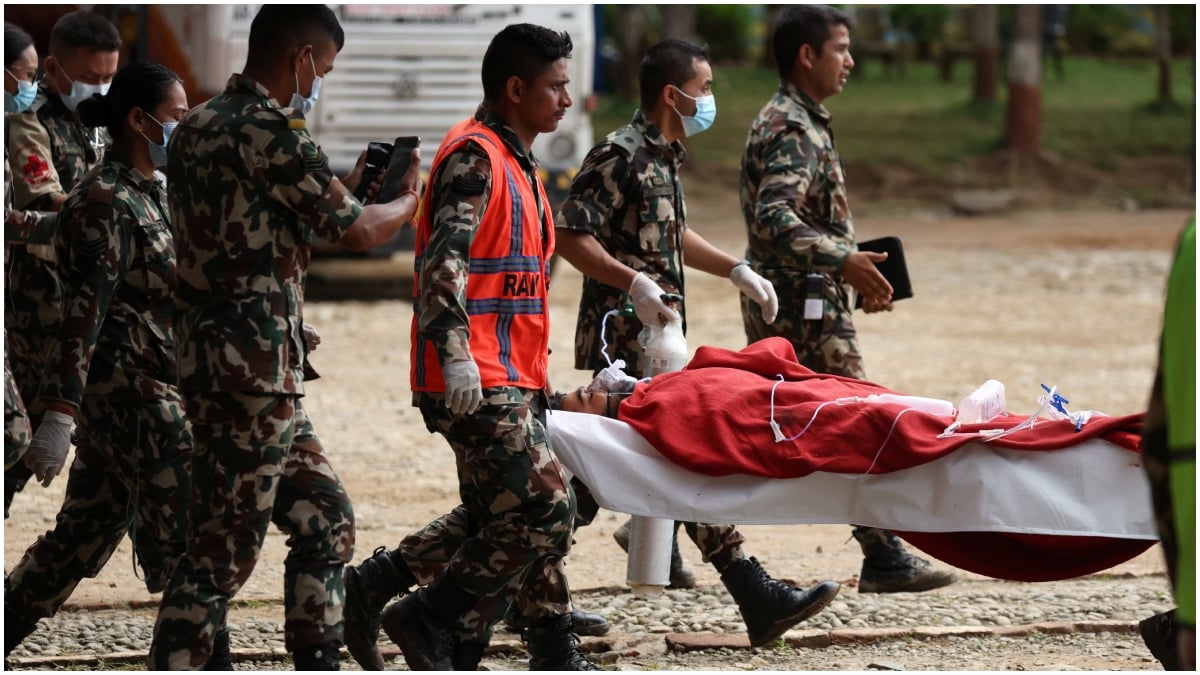
- Medical personnel rushed to the scene with oxygen and IV fluids.
- The first worker emerged covered in gray mud, blinking against the daylight, before being carried away.
- A second worker followed shortly after.
Both men were immediately airlifted to hospitals in Kathmandu. Doctors confirmed they were in stable condition, considering the sheer horror of their nine-day ordeal.
The Brutal Reality of Himalayan Hydropower Disasters
People often look at these tunnels as simple concrete tubes. They are actually massive industrial networks stretching miles underground, big enough to drive dump trucks through. When an ice-rock avalanche causes a sudden breach, these structures turn into deadly traps.
The geography of the region makes rescue work an absolute nightmare. Heavy machinery struggles to reach remote mountain sites because roads have vanished into the swollen rivers. Soldiers and specialized engineers have to work around the clock with limited tools, fighting against unstable mud walls that threaten to collapse at any second.
Survivors who managed to escape in the initial moments of the flood have shared harrowing accounts of the chaos. Many workers reported little to no advance warning before the muddy torrent surged into the tunnels. Families of the missing have spent days gathering outside hospitals in the capital, holding up laminated posters and demanding faster progress from local authorities.
Why This Discovery Matters Moving Forward
Finding two survivors after more than a week completely alters how military and disaster response teams handle similar underground entrapments. Standard survival doctrines usually write off deep-tunnel victims after a few days due to dehydration and lack of breathable air.
This event proves that pockets of trapped air and residual moisture can sustain human life much longer than expected. Rescue commanders have seized on this renewed momentum, pushing deeper into secondary chambers across the Trishuli and Rasuwagadhi project sites where other workers are believed to be sheltered.
The road to recovery for Nepal is going to take years, with total damages expected to run into billions. But right now, the focus remains entirely on the dark corridors of the Himalayas where rescuers are listening closely for any sound of life.