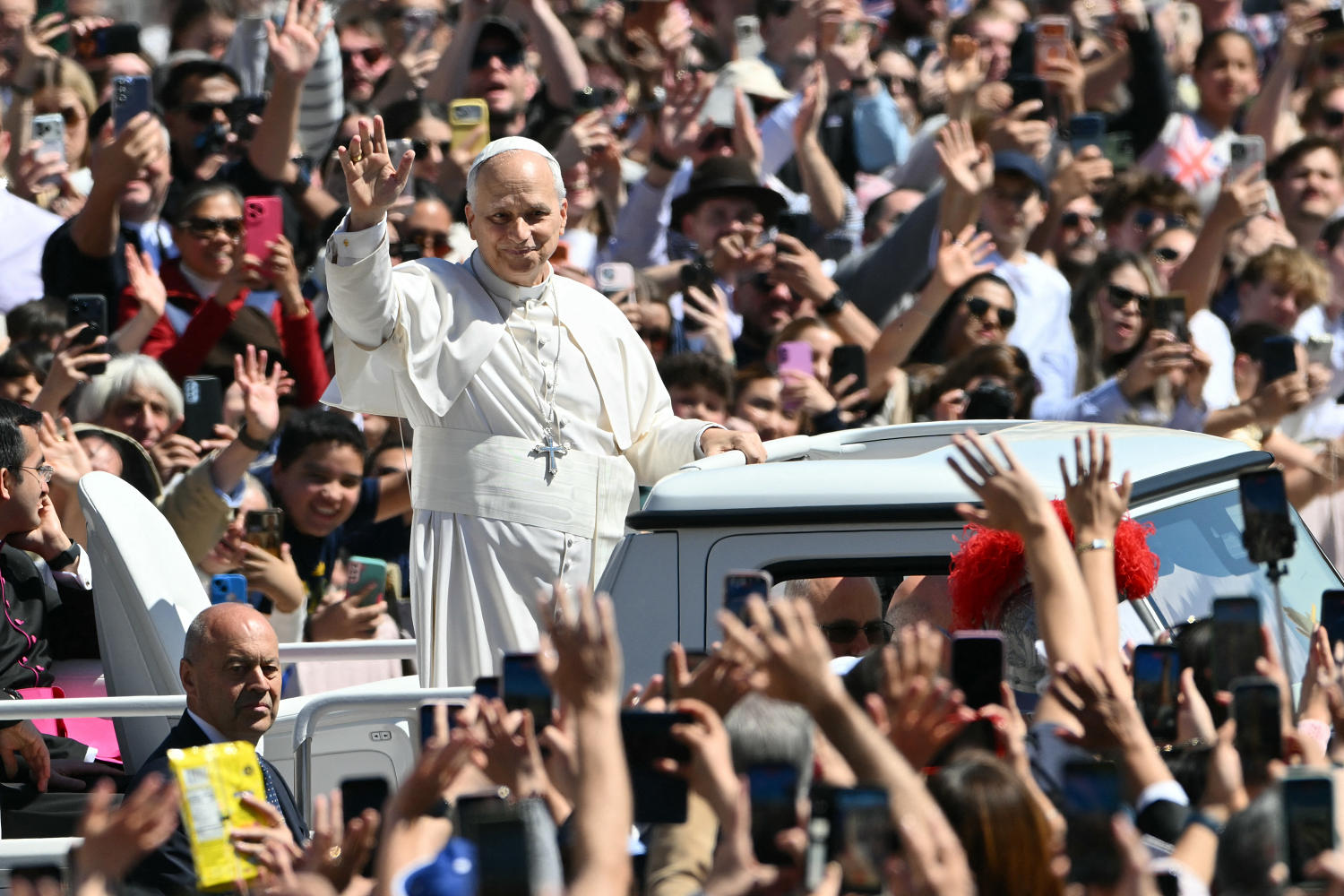
Pope Leo is wrong. The world isn’t becoming "indifferent" to violence. If anything, we are drowning in a surplus of performative concern that has rendered actual conflict resolution impossible.
The traditional Easter message usually follows a predictable script: lament the state of humanity, call for peace, and accuse the masses of turning a blind eye to the suffering in Gaza, Ukraine, or Sudan. It’s a comfortable narrative for religious leaders because it positions them as the moral compass in a sea of apathy. But this diagnosis is fundamentally flawed. We don't have an empathy deficit; we have an attention economy that has weaponized "caring" into a form of social currency, stripping it of its power to effect change.
The Apathy Fallacy
The "indifference" Leo warns about is a phantom. Look at any social media platform during a crisis. You won’t find silence. You’ll find a deafening roar of opinions, flags in bios, and digital vigils. We are more aware of global violence than any generation in human history. We see the high-definition footage of drone strikes before the smoke even clears.
The problem isn't that we don't care. It’s that we care about everything, everywhere, all at once, for approximately fifteen seconds.
True indifference is a lack of feeling. What we’re experiencing is compassion fatigue—a neurological defense mechanism. When the human brain is bombarded with 24/7 imagery of carnage from three different continents, it doesn't become "indifferent." It shuts down to prevent a total emotional collapse. Calling this "indifference" is a cheap shot. It’s like blaming a circuit breaker for tripping when you try to power an entire city through a single outlet.
The High Cost of the Moral High Ground
Religious and political leaders love the "indifference" trope because it’s a low-stakes way to claim authority. If the world is "cold," they get to be the "warmth." But this rhetoric ignores the cold, hard mechanics of geopolitics.
Violence isn't happening because the suburban family in Ohio or the office worker in London isn't "praying hard enough" or "watching the news enough." Violence persists because it is a rational—albeit horrific—tool used by actors seeking power, resources, or survival. To suggest that a global shift in "feeling" will stop a cruise missile is not just naive; it’s a dangerous distraction from the structural realities of war.
I have spent decades watching how institutions handle crisis. I’ve seen NGOs burn through millions in "awareness" campaigns that do nothing but pay for billboards in cities where there is no war. We’ve built an entire industry around the feeling of being involved. We’ve replaced diplomacy with "statements of concern."
The Paradox of Visibility
In the old world, violence happened in the dark. Today, it happens in the spotlight. You’d think this transparency would lead to a more peaceful world. Instead, it has led to the gamification of victimhood.
When every conflict is broadcast in real-time, the objective is no longer to reach a ceasefire; it’s to win the narrative war. Indifference isn’t the enemy here—hyper-partisan engagement is. Because we are so "not indifferent," we pick sides like they’re football teams. We turn complex, centuries-old ethnic and territorial disputes into black-and-white moral plays. This doesn't end violence. It fuels it. It gives the combatants an audience to perform for.
Stop Asking "Why Don't They Care?"
The "People Also Ask" sections of our collective consciousness are filled with variations of: Why is the world silent?
The world isn't silent. It's screaming. But the screams are coming from people who have no skin in the game.
The harsh truth? Your concern is useless. My concern is useless. Unless you are shipping pallets of medical supplies, brokering back-channel negotiations between intelligence agencies, or physically standing in the gap, your "lack of indifference" is just a hobby.
We need to dismantle the idea that "awareness" is a virtue. Awareness is the baseline. It’s the cheap seats. To lecture the public on their supposed indifference is to let the actual perpetrators of violence off the hook. It suggests that if we all just felt more deeply, the tanks would stop rolling. They won't.
The Utility of Boredom
If we actually want to reduce violence, we don't need more passion. We need more boredom.
The most peaceful eras in history weren't defined by global surges in empathy. They were defined by stable systems, trade dependencies, and—frankly—people being too busy with their own lives to bother with a crusade. Peace is often the byproduct of mundane stability, not a sudden awakening of the soul.
By constantly demanding that the public "stay outraged," leaders like Leo are contributing to a state of permanent societal agitation. And an agitated society is not a peaceful one. It’s a society looking for a target.
The Ethics of Disengagement
Here is the counter-intuitive move: Limit your intake.
The moral obligation to be "informed" about every atrocity on the planet is a modern invention, and it’s a toxic one. You are not a god. You cannot carry the weight of 8 billion people’s suffering. When you try, you don't become a better person; you become a more cynical, exhausted, and easily manipulated one.
The truly radical act in 2026 isn't posting a hashtag or nodding along to a Papal decree. It’s admitting that you have zero influence over a conflict five thousand miles away and choosing to focus your limited energy on the people you can actually touch.
The world doesn't need your empathy. It needs your competence. It needs you to fix the broken systems in your own zip code. It needs you to stop mistaking a high heart rate for a moral victory.
Violence thrives on the noise we make. It feeds on the polarization that our "concern" creates. If you want to honor the message of Easter or any other call for peace, stop worrying about the "indifference" of the masses. Start worrying about the vanity of your own outrage.
Burn the script. Stop watching the feed. Stop pretending that your digital tears are a currency that buys peace. They are only a currency for the platforms that sell your attention.
The most profound way to combat violence is to refuse to be a spectator in its theater.
Leave the world to its noise. Go build something quiet.