Most people look at a weekly news roundup, scroll through three dramatic photos, and move on with their morning coffee. That's a mistake. When Luiz Inácio Lula da Silva reclaimed Brazil's presidency, Israeli voters handed Benjamin Netanyahu a decisive comeback, and a commuter train smashed into the back of another outside Barcelona, those weren't just isolated headlines from a busy November week in 2022.
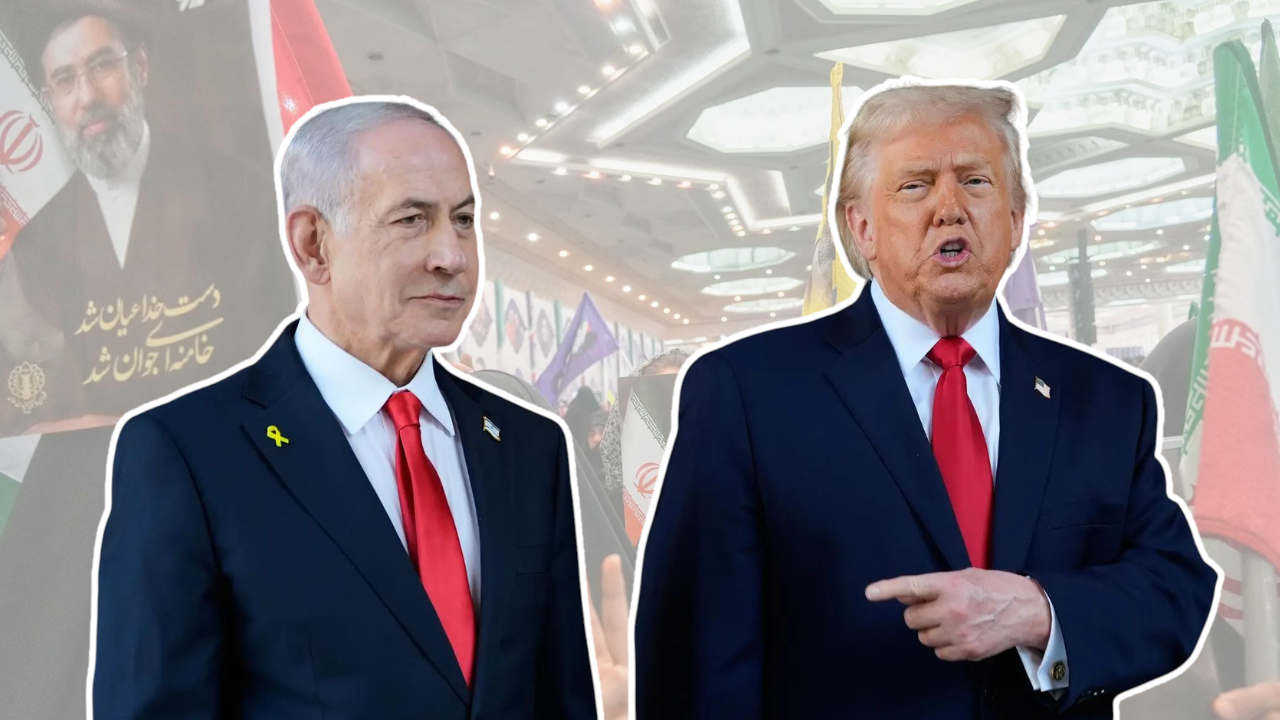
They were connected stress tests on modern infrastructure, fragile democracies, and public trust. Recently making headlines in related news: Why Trump and Netanyahu Are Clashing Over Fresh Iran Strikes After the Midterms.
I've spent years analyzing international photojournalism and breaking news cycles, and the biggest trap readers fall into is treating "week in pictures" galleries like passive entertainment. A single frame captures emotion. It rarely explains the mechanics behind the crisis. Let's break down what actually happened on the ground during that pivotal stretch of late October and early November 2022—and why the aftermath still shapes global politics and transit safety today.
Why Brazil's Razor-Thin Election Was Only Half the Story
If you only saw the celebratory photos of Lula da Silva waving to crowds on São Paulo's Paulista Avenue, you missed the sheer tension humming underneath the surface. Additional details on this are detailed by NPR.
On October 30, 2022, Lula defeated incumbent Jair Bolsonaro in Brazil's presidential runoff by less than two percentage points—50.9% to 49.1%, according to Brazil's Superior Electoral Court (TSE). That's roughly 2.1 million votes out of more than 124 million cast. In a country of Brazil's size, that margin is basically a coin flip.
The Roadblocks Nobody Expected
While international cameras focused on red flags and fireworks in São Paulo, Bolsonaro's supporters immediately began blocking major highways across the country. Truckers parked rigs across arterial routes in over 20 states, disrupting supply chains and testing the authority of the Federal Highway Police.
Honestly, the real story wasn't Lula's comeback from prison—his corruption convictions had been annulled by the Supreme Federal Court in 2021—it was Bolsonaro's 48 hours of silence. For two full days, the sitting president said nothing. When he finally spoke at the Alvorada Palace, he authorized the transition of power without explicitly uttering the words "I lost."
Here's what most casual observers get wrong about that week in Brazil:
- It wasn't a landslide mandate. Lula won the presidency, yes, but Bolsonaro's Liberal Party (PL) emerged as the largest bloc in both chambers of Congress. Lula walked into office facing an opposition-heavy legislature from day one.
- The Amazon was the immediate geopolitical currency. Within days of the vote, Norway and Germany signaled they would unfreeze hundreds of millions of dollars for the Amazon Fund, reversing years of diplomatic frost over deforestation rates tracked by Brazil's National Institute for Space Research (INPE).
- The seeds of January 8 were planted right there. Those highway blockades and encampments outside military barracks didn't vanish after the photo ops ended; they escalated directly into the January 2023 storming of Brasília's government buildings.
Look closely at the press photos from São Paulo that night. You don't just see euphoria. You see exhaustion on the faces of voters who spent four years polarized to the breaking point.
Israel's Fifth Election in Under Four Years Changed the Math
While Brazil counted paper-trail digital ballots, Israeli voters marched to the polls on November 1, 2022, for the fifth time since April 2019. Voter fatigue should have tanked turnout. Instead, turnout hit 70.6%, the highest since 2015, based on figures from Israel's Central Elections Committee.
The images out of Jerusalem and Tel Aviv told two starkly different stories. In one frame, Benjamin Netanyahu smiled broadly in front of Likud party banners, celebrating a 64-seat majority in the 120-seat Knesset alongside ultra-Orthodox and far-right allies. In another, outgoing Prime Minister Yair Lapid conceded quietly, ending a short-lived, ideologically sprawling coalition that had held together for barely a year.
The Surge of Religious Zionism
Most foreign coverage treated this as a simple binary: Bibi is back. That misses the structural shift that actually gave him the keys to the government.
Itamar Ben-Gvir and Bezalel Smotrich, leading the Religious Zionism alliance, doubled their parliamentary strength to 14 seats, making their faction the third-largest force in the Knesset. Netanyahu didn't win because Likud suddenly absorbed millions of centrist voters. He won because his right-wing bloc consolidated efficiently while left-wing and Arab parties fractured.
Two critical miscalculations doomed the anti-Netanyahu camp:
- Meretz failed to cross the 3.25% electoral threshold. By a fraction of a percent, one of Israel's historic left-wing parties vanished from parliament, wasting roughly 150,000 anti-Netanyahu votes.
- The Joint List split. Arab-majority parties ran separately rather than pooling their votes, depressing turnout in Arab communities and handing extra seat allocations to the right-wing bloc under Israel's Bader-Ofer surplus-vote system.
If you're trying to understand why Israeli politics immediately entered a turbulent phase over judicial overhaul proposals in 2023, you have to trace it back to the exact seat distribution photographed on election night in November 2022. Coalition math dictates policy. Always.
What Happened in the Spain Train Crash Outside Barcelona
Hard political news hits differently when juxtaposed against sudden physical tragedy. In the same news cycle, emergency crews converged on Montcada i Reixac, a municipality just north of Barcelona, where a Rodalies commuter train slammed into the rear of another stationary train on the R4 line.
More than 150 people suffered injuries. Thankfully, almost all were minor bruises, whiplash, and shock, though several passengers required hospital evaluation.
Why Rear-End Collisions Still Happen on Modern Rail
Photos from the platform at Montcada i Reixac-Manresa showed firefighters helping dazed commuters step down onto the tracks beside crumpled steel couplings. For anyone who rides European commuter rail, those pictures trigger an immediate, uncomfortable question: How does a modern train hit another train sitting at a station in broad daylight?
According to preliminary assessments from Spain's rail infrastructure operator Adif and operator Renfe, the trailing train was traveling at low speed when it struck the stationary train from behind around 7:50 AM—peak morning rush hour. Low speed saved lives. Had either train been moving at intercity velocity, the casualty count would have been catastrophic.
Yet low-speed rear-end collisions expose specific vulnerabilities in commuter rail networks:
- Signal visibility and human factors. Thick morning fog was reported in parts of the Vallès Occidental comarca that morning, reducing sightlines along curved approaches into suburban stations.
- Aging rolling stock on high-frequency lines. Catalonia's Rodalies network has faced years of documented underinvestment compared to Spain's flagship AVE high-speed corridors, a point frequently raised by regional transport unions and commuters alike.
- Braking distances on wet rails. Autumn humidity and leaf residue on tracks—a notorious headache for European rail engineers every November—can degrade wheel-to-rail adhesion even when automated warning systems trigger.
When you examine crash photography professionally, look at the crush zones between the carriages rather than the flashing ambulance lights. The fact that the passenger cabins remained structurally intact despite the violent jolt proves modern crashworthiness standards worked as designed, even when operational spacing failed.
How to Read Weekly News Galleries Without Getting Misled
Photo roundups from outlets like Reuters, AP, or The Guardian are curated for visual contrast. An editor puts a triumphant politician next to a somber protest, followed by a dramatic rescue scene, because contrast keeps your thumb from scrolling past.
That editorial rhythm creates a subtle cognitive bias. It makes global events feel random and disconnected, almost like weather patterns you can't predict or analyze.
If you want to extract real signal from international news coverage instead of just absorbing anxiety, change how you process those stories:
- Check the margin, not just the winner. A 50.9% win in Brazil and a 64-seat coalition in Israel carry completely different governing constraints than landslide victories. Always look up the vote share before assuming a leader has unchecked power.
- Follow the infrastructure trail. When a transit accident like the Montcada i Reixac collision makes international headlines for 24 hours, check back three months later for the transport ministry's technical report. That's where systemic maintenance failures actually get exposed.
- Separate dramatic visuals from structural impact. A burning tire on a highway blockade photographs dramatically; a parliamentary threshold failure like Meretz missing 3.25% doesn't photograph at all, yet it reshaped an entire region's legislative agenda.
Next time you open a weekly photo roundup, pick one image that makes you pause and spend five minutes looking up the underlying vote count, safety audit, or economic data behind the frame. You'll immediately understand more about where the world is heading than 90% of people sharing the headline.