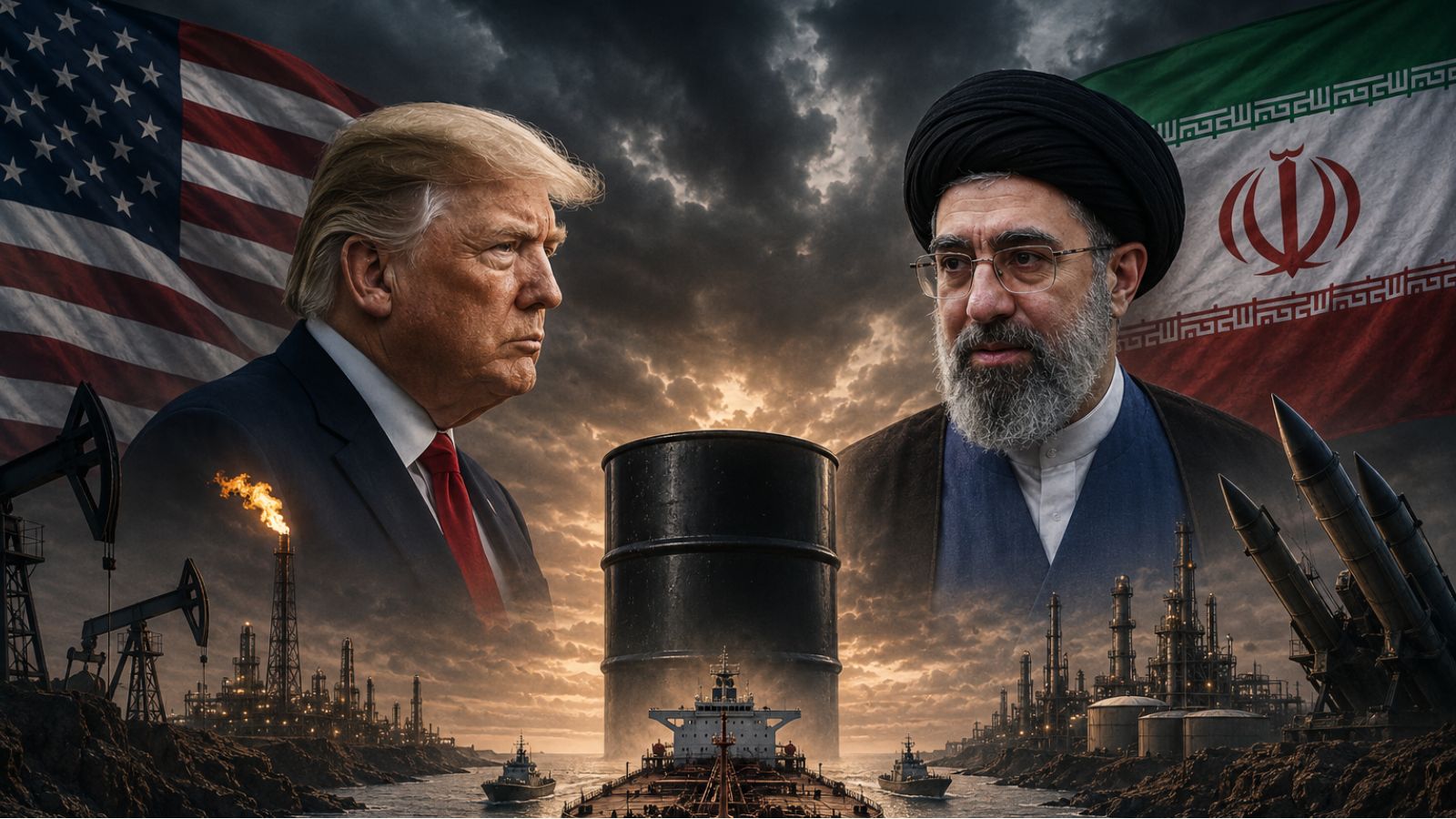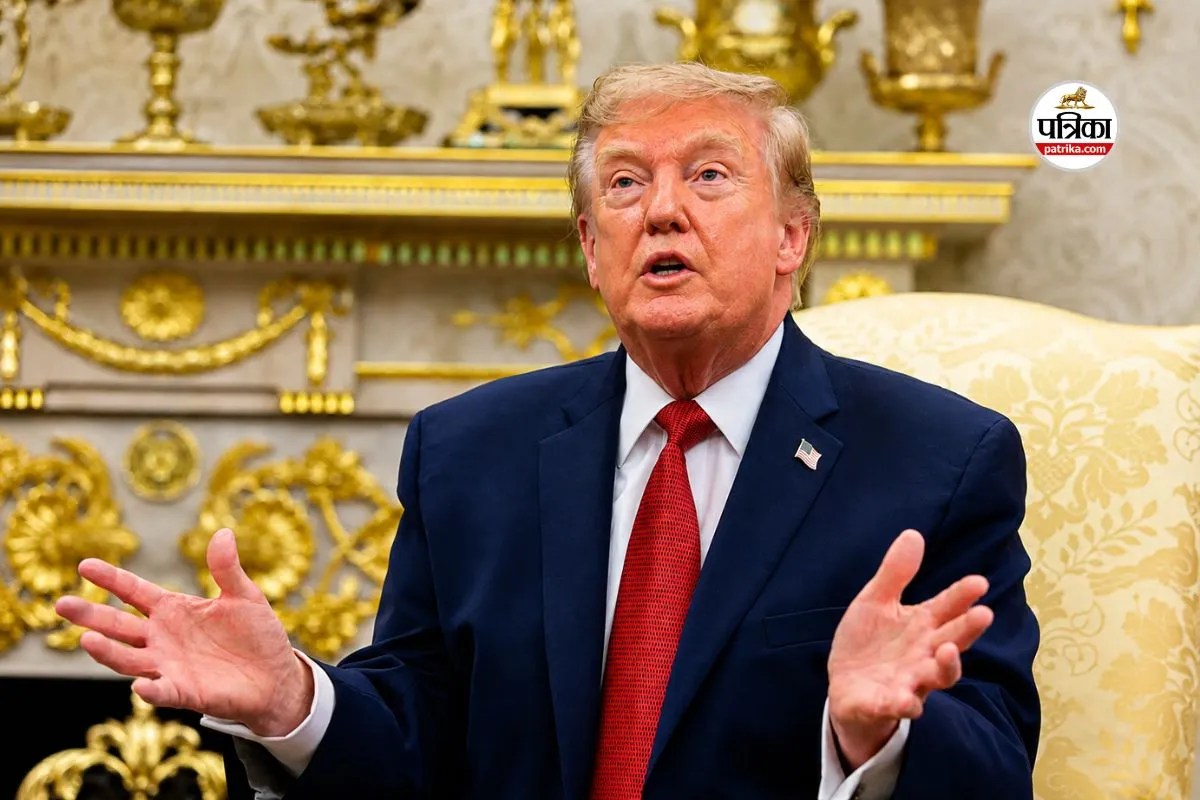
The fragile quiet that once defined the corridors of Washington and Tehran has completely fractured. Donald Trump’s latest declaration that the renewed military campaign against Iran will not last long masks a far more grinding reality: a high-stakes maritime choke point crisis in the Strait of Hormuz that continues to push global oil markets to the brink. Behind the public posturing of swift American retaliation and Iranian warnings of restricted waterways, both capitals are trapped in an escalating feedback loop of kinetic strikes and economic strangulation.
This is not a sudden eruption. It is the continuation of a six-month military slog that has shattered regional stability, killed scores of service members, and exposed the limits of absolute deterrence. When American jets targeted newly positioned Iranian rocket infrastructure on Larak Island, Tehran answered with ballistic missile fire directed at American assets in Jordan. Trump dismissed the counter-strike as a mere love-tap, yet the subsequent dispatch of heavy ordnance against Iranian radar and communication arrays proved that Washington takes every breach of the maritime perimeter seriously.
The Anatomy of the Economic Choke-Out
To understand why this conflict refuses to die, look past the theater of aerial bombardments and examine the ledger books. The White House has increasingly leaned on Treasury mechanisms, spearheaded by financial sanctions intended to dry up Tehran's remaining revenue streams. Yet this financial warfare has birthed a dangerous inverse reaction. Iran, bleeding from severe currency devaluation and trade restrictions, has chosen to lash out kinetically precisely because its economic arteries are being clamped.
Treasury architects expected a rapid capitulation under the weight of secondary sanctions. Instead, the strategy produced a hardened resistance. Iranian parliamentary leaders have made it unequivocally clear that if their petroleum exports are choked entirely out of the Persian Gulf, no regional actor will move energy unhindered. Brent crude hovering near ninety-five dollars a barrel is the tangible tax that global consumers pay for this ongoing miscalculation.
The Divergence Between Washington and Jerusalem
While American rhetoric swings between declarations of total dominance over the strait and assurances of a short campaign, the view from Jerusalem tells an entirely different story. Prime Minister Benjamin Netanyahu’s administration treats the operation as an unfinished structural dismantling. Where Washington occasionally seeks off-ramps or pauses for diplomatic breathing room, Israeli military planners maintain that the ultimate objective remains the complete overthrow of the ruling regime in Tehran.
This ninety-five percent alignment on paper conceals operational friction underneath. Israel’s insistence on keeping the military option active at a moment's notice complicates Washington's desire to pivot toward domestic priorities, especially with political clock-ticks counting down toward midterm elections. Every time a drone is launched or a naval escort vessel dodges a mine-laying craft in the Hormuz passage, the divergence in endgame vision grows wider.
The Cost of Exhaustion
Public polling in the United States reveals a populace deeply fatigued by foreign entanglements. Billions spent on a campaign yielding mounting casualties has turned public sentiment sour. Yet neither side possesses the political luxury of graceful retreat. Tehran cannot back down without forfeiting its regional deterrent posture, and Washington cannot walk away without validating the disruption of international shipping lanes.
The doctrine of maximum pressure has reached its physical limits. As long as commercial shipping requires naval escorts to navigate narrow international waters under the constant threat of asymmetric retaliation, the promise of a quick resolution remains a political illusion.
US and Iran exchange more airstrikes, fuelling fears of wider return to hostilities
This reporting from The Guardian breaks down the cascading series of retaliatory airstrikes between Washington and Tehran that abruptly ended a month of regional calm and pushed global oil prices upward.