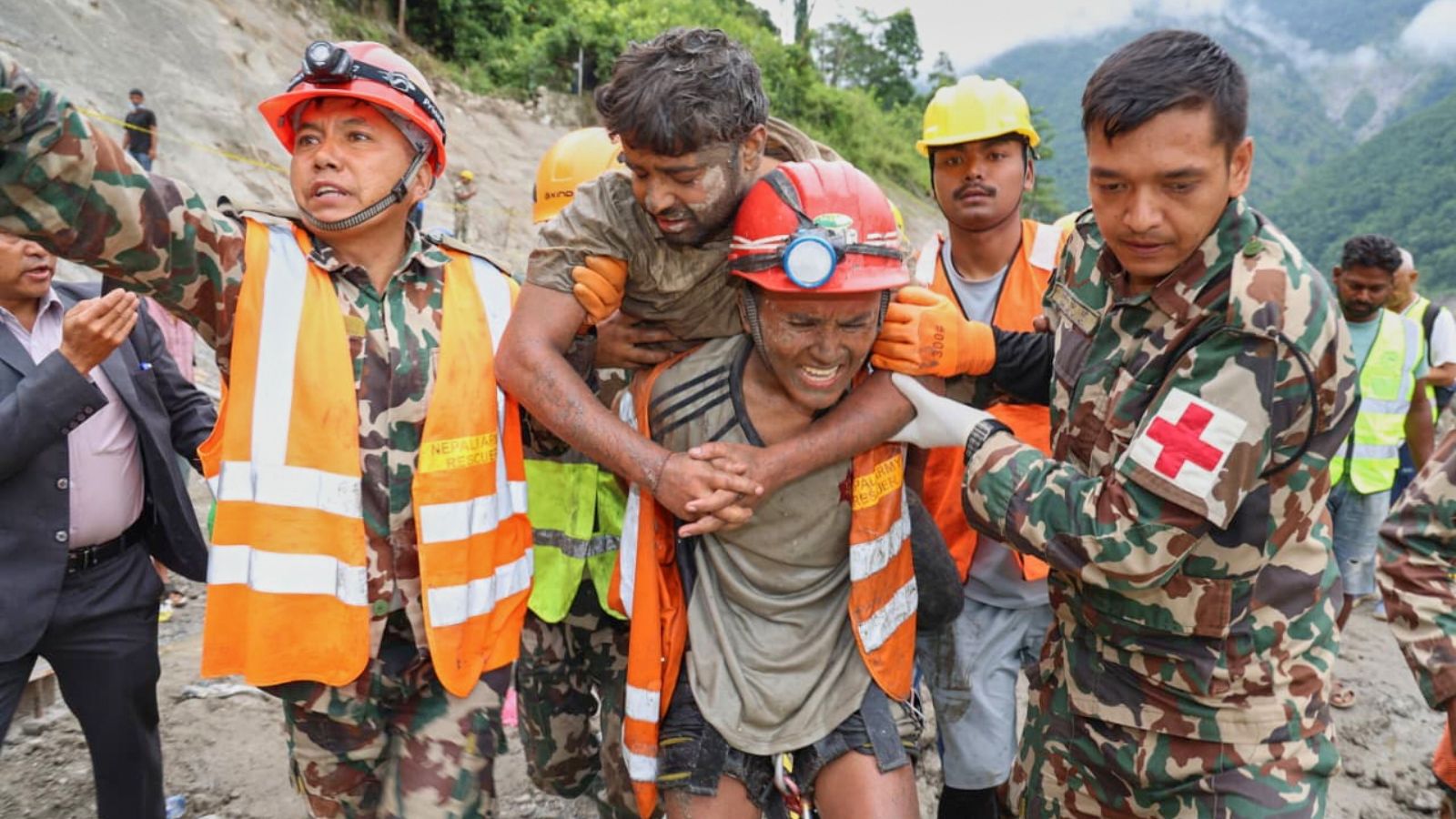
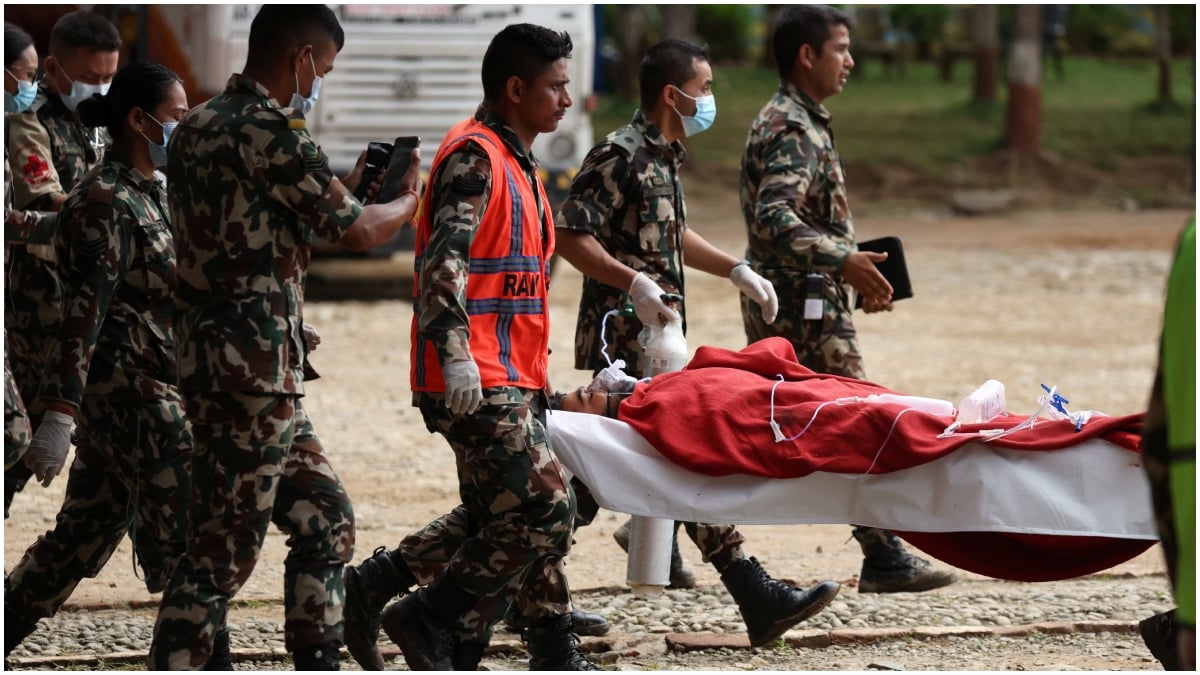
Two workers pulled from a hydropower tunnel nine days after catastrophic flash floods tore through central Nepal do not represent a divine miracle, but rather an indictment of modern underground infrastructure safety. Sanjay Shah and Kabir Maharjan survived nine days in the darkness of the Trishuli 3A project because of trapped air pockets and human endurance. Media outlets rush to frame this as an inexplicable stroke of luck, a feel-good anomaly in a disaster that has claimed over 1,200 lives.
Calling this a miracle lets the architects of these projects off the hook. For another look, consider: this related article.
When water, mud, and debris surge through a river corridor, tunnels act as death traps precisely because they lack redundant safety architecture. The standard disaster narrative treats subterranean survival past the 72-hour mark as a statistical impossibility. Standard textbook doctrine states that oxygen depletion, carbon dioxide buildup, and psychological panic close the book on human viability within days. Yet, these recent extractions prove that linear survival models break down completely when subterranean geometry creates localized, pressurized barometric pockets.
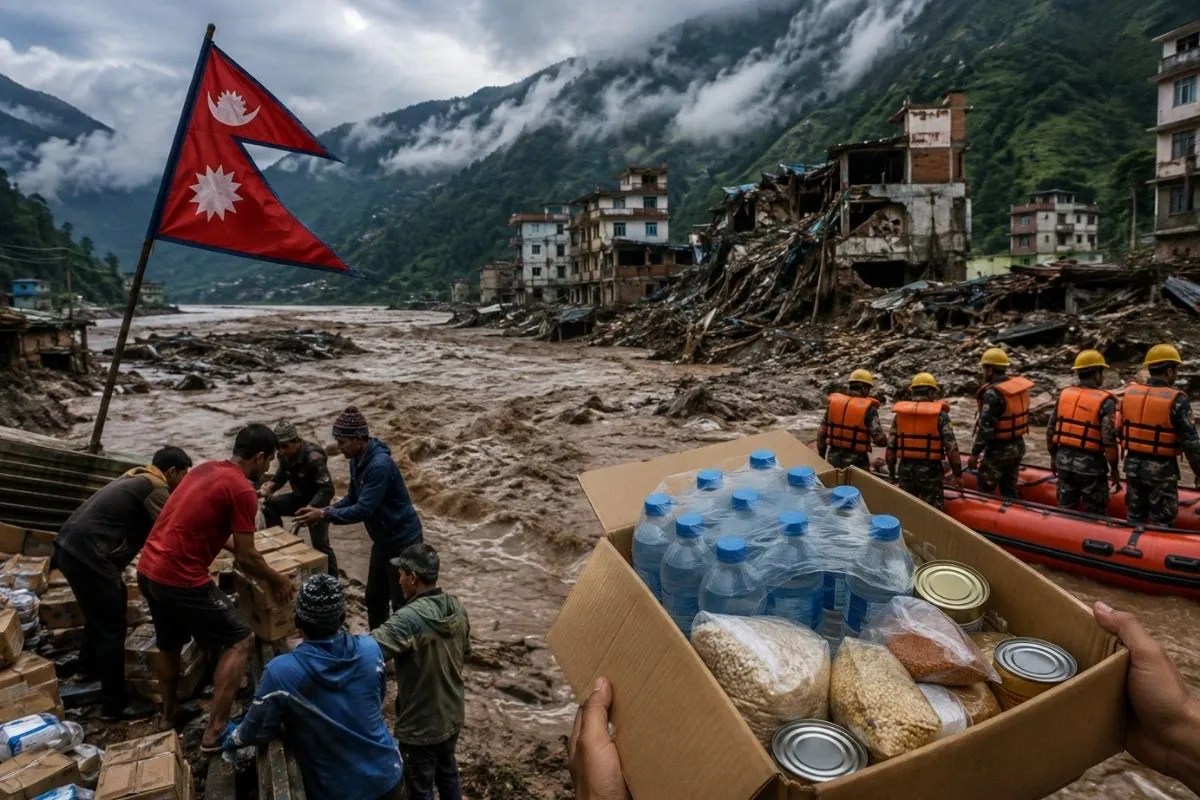
Engineering firms routinely model hydrological flows for maximum generation capacity while treating catastrophic glacial lake outburst floods as acceptable tail-risk events. They build massive underground powerhouses and kilometers-long intake tunnels into fragile Himalayan fault zones without mandatory sealed emergency refuge chambers. When the glacier collapsed on August 26, sending a wall of debris down the valley, hundreds of workers vanished not because survival was physically impossible, but because the infrastructure was never designed to protect them post-breach. Similar insight on this trend has been published by NBC News.
The assumption that underground workers will simply evacuate in time during a flash flood reveals a profound disconnect from actual site dynamics. Water moving at high velocity through a narrow mountain gorge travels faster than any human can sprint up a four-kilometer tunnel slope. Shah noted that he stayed behind in the control room specifically to guide others out. Relying on the heroic self-sacrifice of individual foremen to manage evacuations is not an operational plan; it is a design failure.
Insist on structural changes instead of treating these rare extractions as lottery wins. Underground infrastructure in high-risk seismic and glacial zones requires mandatory, hardened secondary chambers equipped with independent oxygen generation, multi-day rations, and direct acoustic communication links to the surface. Until project developers are legally required to integrate these life-support pods into every megawatt-class tunnel design, workers will continue to depend entirely on random pockets of compressed air and sheer luck. Stop celebrating the miracle of survival and start penalizing the architecture that makes survival a miracle in the first place.