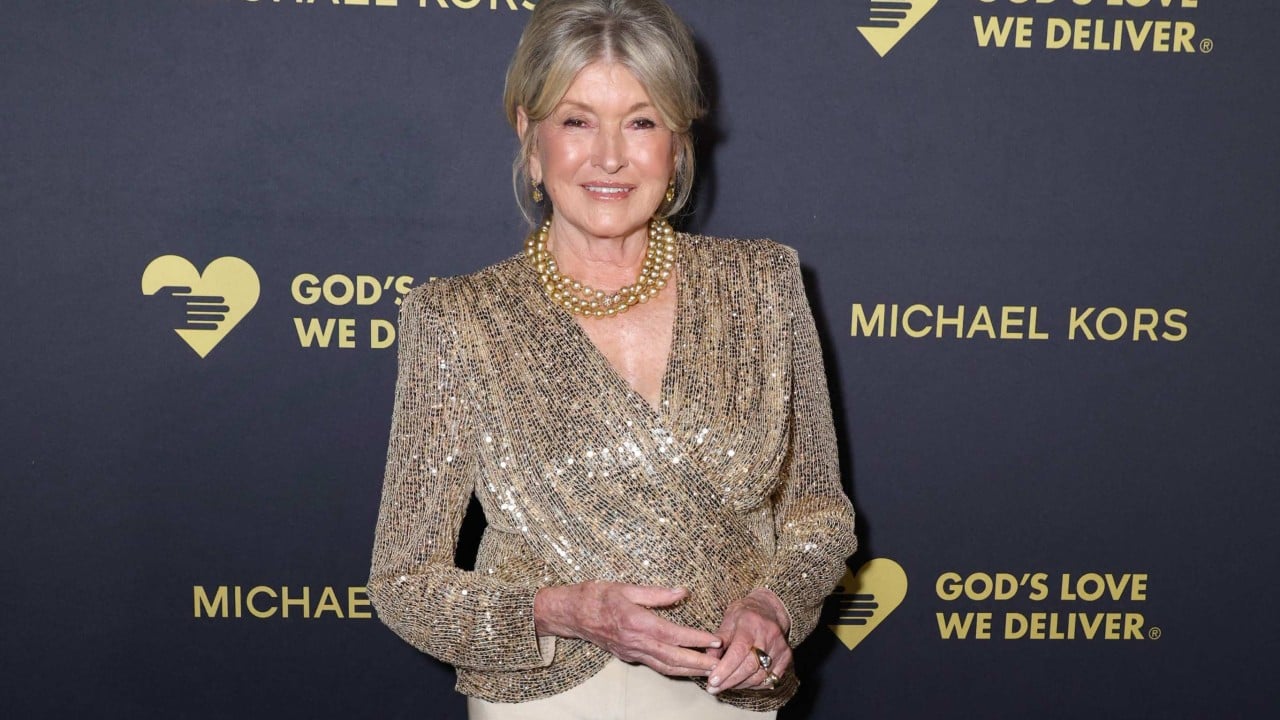
Martha Stewart apologized in early November 2026 after sharing a Halloween photo on Instagram depicting herself dressed as a homeless person, a post that sparked swift criticism before being deleted and followed by a second, more direct statement admitting she had "really screwed up." At 85, Stewart is a multimillionaire lifestyle icon whose entire brand rests on aspirational domesticity, curated aesthetics, and control over her public image. Watching her post a costume featuring torn clothing, smudge makeup, and a sign asking for food triggered immediate outrage online—not merely because of the imagery itself, but because of who posted it, when it appeared, and how her team handled the fallout.
After decades covering celebrity reputation management and media blowups, I have seen plenty of stars misread the room on social media. Most of those missteps come down to a breakdown in distance. When someone lives inside a cocoon of wealth, staffers, and brand approvals, novelty can easily masquerade as harmless fun or even "awareness." You might also find this connected article useful: The Crash Behind the Smile and the Quiet Crisis We Keep Ignoring.
The Anatomy of a Tone Deaf Post
Bad publicity rarely happens in a vacuum. It usually requires three ingredients: a jarring contrast, a public platform, and a lack of friction before publication.
In the photo shared to Stewart's personal account, she appeared in distressed clothes with dirt on her face and a sign reading that she was hungry and needed help. Even if a post is intended to be satirical, theatrical, or well-meaning, stripping real economic hardship down to props turns lived struggle into a punchline—or at least looks like one from the outside. As reported in detailed reports by Bloomberg, the implications are significant.
Context makes the optics sharper. Stewart has built an empire around high-end living, property, and refinement, with an estimated net worth around $400 million. Placing a costume of poverty next to luxury life—especially at a time when many households are feeling squeezed by living costs—creates an immediate sense of punching down rather than engaging with a serious issue.
Why Good Intentions Rarely Survive the Feed
Stewart later stated that her intent was to draw attention to homelessness and that she had not meant harm. That explanation is familiar across celebrity crises. Intent lives inside the poster's head; interpretation lives in the comment section.
Social feeds strip away nuance before a caption can even be read properly. A single image moves faster than an explanation, and once a post is screenshotted and reshared, deleting it rarely erases the story. In fact, rapid deletion often fuels speculation about whether the image was meant to go out at all or slipped through a carousel by mistake.
Two Apologies and the Credibility Gap
A single statement might have settled the dust if it had landed cleanly. Instead, the rollout stretched into a two-step scramble that exposed how messy crisis response can look in real time.
First came an initial statement emphasizing no ill intent and a desire to raise awareness. Critics pushed back hard, arguing that framing a mock-poverty costume as advocacy rang hollow without concrete action. Hours later, Stewart posted a second message—widely noted as coming from her phone's notes app—acknowledging that her earlier remarks had not gone far enough, admitting she had "really screwed up," and calling the costume "insensitive and not funny".
Admitting fault is usually smarter than doubling down. Still, timing matters. When a sharper apology arrives only after intense pressure, audiences often read it as damage control rather than genuine reflection.
- The first draft problem: Defending intent often makes the speaker sound defensive rather than accountable.
- The notes app effect: Plain-text apologies can feel candid, yet they also signal a rushed pivot after PR plans stall.
- The collateral comment thread: Anger frequently spills onto unrelated brand posts, turning a personal slip into a broader brand friction problem.
What Celebrities Miss About Poverty as Costume
There is a gray area in comedy and satire that people argue about endlessly. Some defenders insisted online that audiences were being overly sensitive or ignoring Stewart's past charitable support for causes tied to food and community aid. That counterargument deserves a fair hearing: public figures do sometimes get judged solely on their worst misstep while supporters point to years of philanthropy.
Even so, dressing as an unhoused or hungry person carries unique baggage. Homelessness is not a mythical monster, a historical era, or a fictional villain—it is an ongoing crisis affecting real neighbors who do not get to take the costume off at midnight.
Consider a hypothetical example outside the celebrity world. Suppose a wealthy executive at a financial firm shows up to an office party wearing a badge and clothes mocking laid-off workers during a round of cuts. Even if the executive claims they wanted to spark conversation about corporate layoffs, coworkers going through financial stress would likely see mockery rather than solidarity. The same dynamic plays out in public when a billionaire-era icon treats visible destitution as a seasonal gag.
The Bigger Lesson for Public Figures and Brands
Halloween has long been a minefield for public figures because it invites costume choices that test cultural boundaries. Every year brings a fresh wave of viral regret from people who treated a sensitive social reality as a clever disguise.
For high-profile figures, the real vulnerability is insularity. When everyone around you is accustomed to saying yes—or hesitates to challenge an established icon—bad ideas travel further than they should. A five-second pause before hitting post, or one candid voice willing to say "don't do that," is worth more than ten damage-control statements after the fact.
Real awareness looks nothing like a costume; it looks like quiet, consistent support that does not need a camera to prove it.