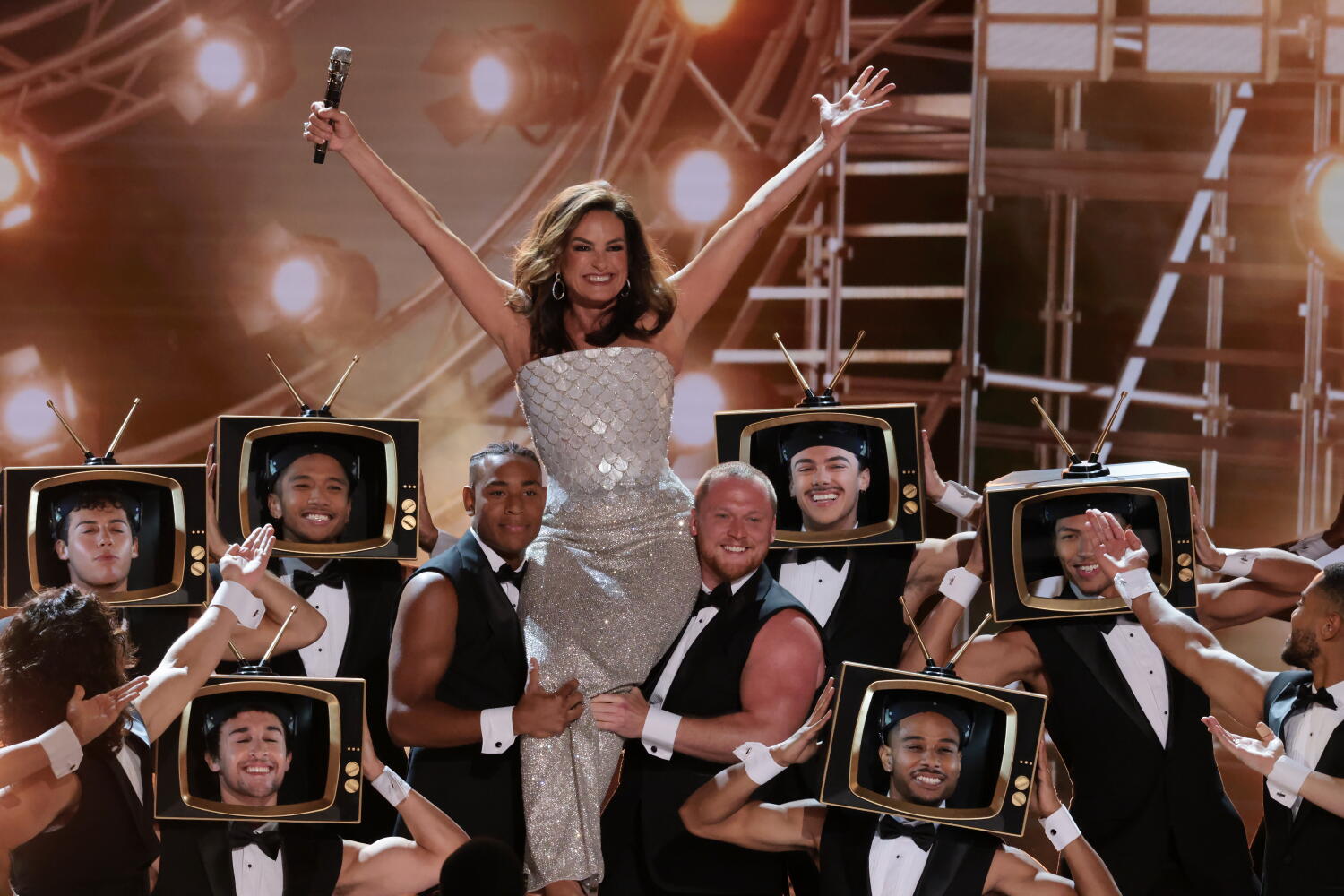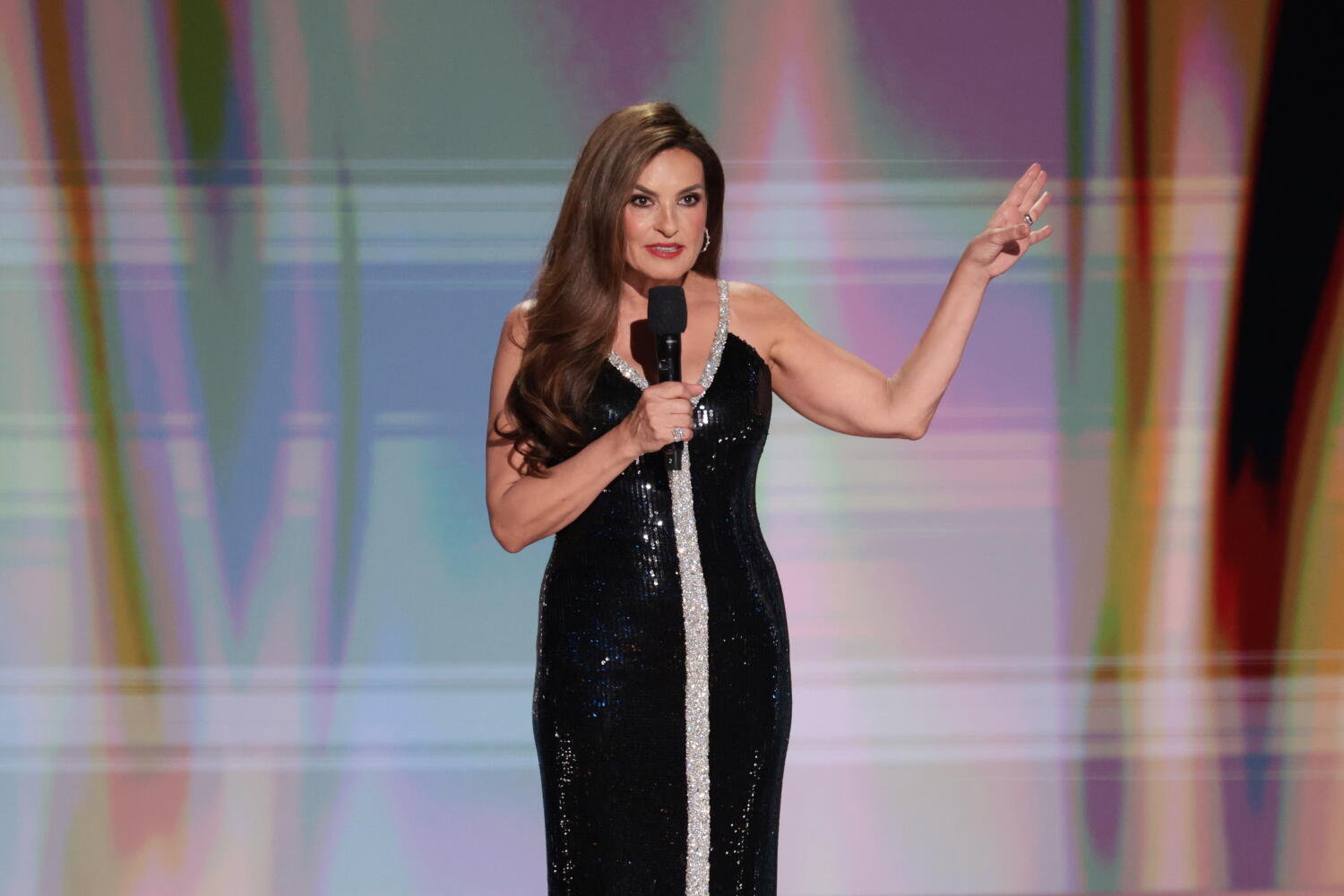
Awards shows live and die by their hosts. Pick the wrong person, and the entire night drags like a four-hour root canal. Pick the right one, and people actually talk about the monologues the next morning instead of just the red carpet dresses. When Mariska Hargitay stepped onto the stage as the host of the 78th Emmy Awards, television fans let out a collective sigh of relief. She is an absolute icon. She anchors Law & Order: Special Victims Unit week after week, holding down the longest-running primetime live-action series in American television history. Seeing her command the room with warmth, poise, and genuine gratitude felt long overdue.
Yet, as wonderful as she was, something funny happened on the way to the coronation. John Mulaney walked out, did what he does best, and completely hijacked the evening.
If you watched the broadcast, you know the exact moment the energy shifted. Hargitay brought a steady, grounded grace to the proceedings. She treated the room like a gathering of peers rather than a target practice zone. But Mulaney brought pure comedic chaos. He stepped up to the microphone with that familiar rapid-fire cadence, staring down the audience of wealthy actors and creators like a substitute teacher who simply stopped caring. It wasn't just that his bits were funny. It was that he managed to upstage an entire ceremony by treating it like an absurd late-night chat.
People love a good upset. We love the undercard fighter who knocks out the champion, or the supporting actor who steals every scene. At the 78th Emmys, Mulaney played that role to absolute perfection.
The Power of Mariska Hargitay on the Big Stage
Let's talk about Mariska Hargitay first. You don't spend nearly three decades playing Olivia Benson without learning how to hold an audience's attention. She has a gravity that few working actors possess. When she walked out for the opening monologue, she didn't rely on cheap insults or mean-spirited jokes aimed at the nominees. Instead, she leaned into celebration. She honored the medium.
Television gets treated like film's awkward younger sibling far too often. Hargitay didn't play into that tired narrative. She highlighted the grueling hours, the late-night script rewrites, and the unique bond between cast members who spend more time with each other than their own families. It was earnest. Sometimes, earnestness gets written off as boring in the cynical landscape of modern media. But Hargitay proved that sincerity hits harder than sarcasm when it comes from a place of genuine authority.
She has seen television evolve from the era of massive network blocks to the dizzying chaos of streaming fragmentation. She survived the shift. That gives her an underlying weight that commands respect from every single person sitting in those velvet chairs.
How John Mulaney Hijacked the Spotlight
Then came John Mulaney. Comedians always walk a tightrope at awards shows. Go too soft, and you're invisible. Go too hard, and you make everyone in the room uncomfortable. Mulaney bypassed the tightrope entirely and just built a trampoline.
His routine worked because he didn't pretend the evening was more important than it actually was. Awards shows are inherently ridiculous rituals where very rich people applaud other very rich people for pretending to be other people. Mulaney understands that absurdity better than almost anyone working today. He zeroed in on the weirdness of the room, the strange rules of television history, and his own bizarre relationship with the industry.
When he took over his segments, the audience didn't just laugh. They squirmed just a little bit. That friction is where great comedy lives. You could feel the collective realization in the auditorium: Oh, he's actually going there.
It creates a fascinating dynamic for television history. Hargitay provided the emotional anchor, the dignity, and the historical weight. Mulaney provided the fireworks, the unpredictability, and the watercooler quotes.
Why This Dynamic Matters for Modern Television
We are living through a strange era of television. Studios are slashing budgets, cancellations happen via automated email, and algorithms dictate what gets made next. In that climate, awards shows feel increasingly detached from the everyday viewer watching at home on a laptop.
That is why the Hargitay-Mulaney contrast worked so well. Hargitay represents the old-school work ethic of network television. She represents the sweat equity of a 22-episode season order. Mulaney represents the sharp, self-aware, post-ironic comedy style of the streaming generation. Put them both on the same stage, and you get a snapshot of where the industry currently stands. It is a tug-of-war between institutional respect and anarchic humor.
Most awards show producers try to sand down the edges of their hosts to make everyone palatable. They want safe, clean transitions. They want celebrities reading teleprompters without blinking too hard. The 78th Emmys leaned into personality instead. Hargitay brought her signature warmth, and Mulaney brought total disorder.
Look at how the internet reacted immediately after the show wrapped. Social media feeds split right down the middle. Half the timeline praised Hargitay for carrying the night with class and elegance. The other half flooded with clips of Mulaney's best punchlines, breaking down every micro-expression from the stunned celebrities in the front rows.
The Takeaway for Future Broadcasts
If producers are smart, they will study what happened here. Safe hosts equal boring television. But chaos without a center equals an unwatchable mess. You need both poles to make a three-hour broadcast survive the brutal modern attention span.
Hargitay gave the night its beating heart. Mulaney gave it teeth. Without her, the show lacks dignity. Without him, it lacks a pulse.
Television will keep changing. Formats will fracture further. Streaming services will continue their endless corporate mergers. But as long as we keep gathering to hand out golden statuettes, we are going to need people who can anchor the room—and people who are willing to set it on fire.
Appreciate the ones who can do both, but never forget the ones who manage to steal the entire night without even trying.