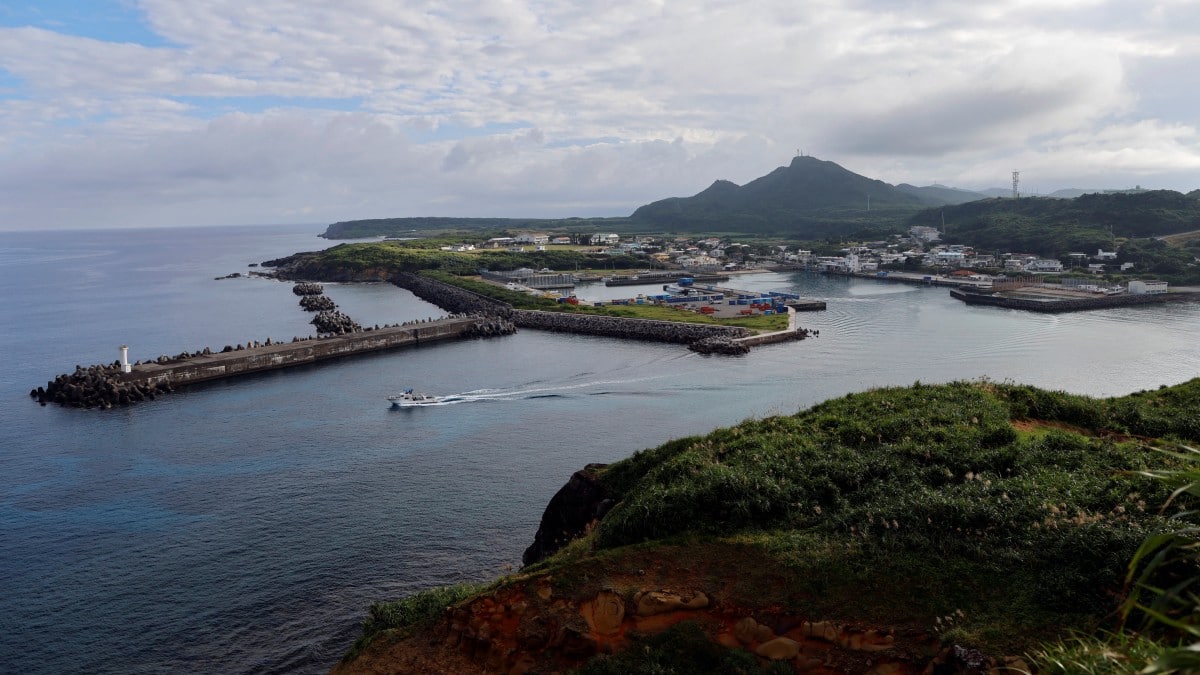
Japan's military posture is shifting faster than most people realize. For decades, the "Peace Constitution" kept the country's Self-Defense Forces in a reactive, almost invisible state. Those days are over. The latest move involves Ishigaki Island, a small piece of land closer to Taiwan than to Tokyo. By 2031, this island and its neighbors will host sophisticated surface-to-air missile systems. It’s a massive change.
If you look at a map, you'll see why this matters. Ishigaki is part of the Nansei island chain. It sits roughly 270 kilometers from Taiwan. When China conducts military drills, its ships and planes often buzz these waters. Japan is tired of watching from the sidelines. By placing missiles here, Tokyo isn't just defending its own territory. It’s effectively creating a "keep out" zone that could complicate any Chinese move against Taiwan.
This isn't just about hardware. It’s about a fundamental shift in how Japan views its role in the Pacific.
The 2031 Deadline and the New Missile Strategy
Japan's Ministry of Defense has a clear timeline. The goal is to have these units fully operational by the start of the next decade. We aren't just talking about a few trucks and some camo netting. This is a multi-layered defense network.
The primary systems being deployed are the Type-03 medium-range surface-to-air missiles. They’re designed to intercept high-speed targets, including cruise missiles and advanced fighter jets. But there’s a second part to this plan that’s even more aggressive. Japan is also working on "stand-off" capabilities. This means missiles that can strike from outside the enemy’s range.
Think about the geography. The First Island Chain is a strategic line that runs from Japan through Taiwan and down to the Philippines. China wants to break through it. Japan wants to turn it into a wall. By 2031, that wall will be bristling with high-tech sensors and interceptors.
Why Ishigaki Island Is the New Front Line
Ishigaki used to be known for its coral reefs and pineapple plantations. Now, it’s a geopolitical flashpoint. The decision to put a missile base there didn't happen overnight. It followed years of heated debate and local protests.
Residents are worried. They remember the history of World War II, where islands like Okinawa became sacrificial pawns. They don't want to be a target again. But the Japanese government argues that leaving the islands empty makes them a target for "salami-slicing" tactics. This is where a country takes small, incremental steps to change the status quo until it's too late to stop them.
The deployment on Ishigaki follows similar moves on Miyako and Amami Oshima. Japan is basically playing a game of chess. Every island gets a piece. Each piece covers the other. If China wants to send a fleet through the Miyako Strait, they’ll have to account for multiple batteries of missiles capable of sinking ships and downing planes.
Beijing Is Watching Every Move
China isn't exactly thrilled. The official line from Beijing usually involves accusing Japan of "returning to the path of militarism." They claim these deployments threaten regional stability.
Honestly, that’s rich coming from a country that has spent the last decade building artificial islands in the South China Sea and turning them into fortresses. What we’re seeing is a classic arms race. China builds a bigger navy. Japan buys better missiles. China flies more bombers near Japanese airspace. Japan increases its defense budget to record levels.
Japan's defense spending is set to reach 2% of its GDP by 2027. That’s a huge jump for a country that capped spending at 1% for half a century. The 2031 missile deadline on the remote islands is a key part of that spending surge. They’re buying Tomahawk missiles from the US. They’re upgrading their own domestic Type-12 missiles. They’re preparing for a conflict they hope never happens.
What This Means for Taiwan and the US
You can't talk about Japan’s missiles without talking about Taiwan. The two are linked. If China invades Taiwan, the conflict will almost certainly bleed into Japanese waters. Japanese leaders have said as much. Former Prime Minister Shinzo Abe famously stated that a Taiwan emergency is a Japan emergency.
The US military is also heavily involved. While these are Japanese bases, they function as part of a broader alliance strategy. US Marines are currently restructuring their units in Okinawa to be more mobile and lethal, specifically for island-hopping warfare. The Japanese missile batteries provide the "long arm" that protects these mobile units.
It’s a deterrent. The whole point of putting missiles on an island near Taiwan by 2031 is to make the cost of an invasion too high for Beijing to pay. If the Chinese military knows they’ll face a barrage of missiles from dozens of different islands before they even reach the Taiwan Strait, they might think twice.
Local Pushback and the Reality on the Ground
It hasn't been a smooth ride for the Tokyo planners. On Ishigaki, the local community is split. Some see the military presence as a boost to the local economy and a necessary shield. Others see it as a magnet for disaster.
During the construction of the Ishigaki base, protesters blocked trucks. There were lawsuits. The government pushed through anyway. This tells you how seriously they take the threat from China. They’re willing to spend political capital and ignore local discontent to ensure the southern flank is secure.
The logistical challenge is also massive. These islands are remote. Supplying a permanent military base with fuel, food, and specialized parts requires a constant flow of ships and planes. Japan is building new transport vessels just for this purpose. They’re also hardening the infrastructure—building underground bunkers and reinforced hangars to survive an initial strike.
The Technology Behind the Shield
We should look at what these systems actually do. The Type-03 (Chu-SAM) Kai is the backbone of this strategy. It’s a highly mobile system. It can be set up quickly, fire, and move before the enemy can pinpoint its location.
- Advanced Radar: The system uses active electronically scanned array (AESA) technology. It can track multiple targets at once, even small ones like drones or stealthy missiles.
- Network Centricity: The missiles on Ishigaki won't act alone. They’ll be linked to Japanese destroyers at sea and US satellites in orbit.
- The "Stand-off" Upgrade: Japan is developing a version of the Type-12 missile with a range of over 1,000 kilometers. This would allow them to hit targets deep within the Chinese mainland if necessary.
This isn't your grandfather’s coastal defense. This is a 21st-century integrated network. It’s designed to be smart, fast, and very difficult to kill.
Why the 2031 Timeline Is Realistic
People ask why it takes so long. 2031 feels like a long way off. But in the world of military procurement and infrastructure, it’s practically tomorrow.
You have to build the barracks. You have to train the specialized crews. You have to integrate the software with the rest of the Self-Defense Forces. Most importantly, you have to manufacture the missiles. Japan is ramping up its domestic production lines, but that takes time. Mitsubishi Heavy Industries is the lead contractor, and they’re working through a massive backlog.
There's also the diplomatic dance. Japan has to coordinate with the US at every step to ensure their systems can talk to each other. They’re also trying to build security ties with Australia and the Philippines. The 2031 goal gives Japan a decade to turn its southern islands from a vulnerability into a stronghold.
Preparing for a New Reality
The era of Japan as a passive observer is over. The deployment of surface-to-air missiles on islands near Taiwan is the clearest sign yet that Tokyo is ready to play hardball.
If you're following regional security, watch the construction progress on these islands. Watch the joint exercises between the US and Japan in the Nansei chain. These aren't just routine drills. They’re rehearsals.
The next step is monitoring how China reacts to the actual arrival of the hardware. We should expect more "gray zone" activity—Chinese coast guard ships entering Japanese waters, more frequent fly-bys, and perhaps even cyberattacks on the contractors building these bases. Japan is betting that by 2031, its island shield will be strong enough to withstand the pressure.
Keep an eye on the Japanese defense budget announcements every December. That’s where the real story is written. If the funding for these remote units keeps growing, you know the threat perception in Tokyo is only getting sharper. The peaceful blue waters of the East China Sea are about to get a lot more crowded.