Is the Republican Party still the party of "no more foreign wars"? That question just hit a breaking point. On a recent Sunday morning, White House Press Secretary Karoline Leavitt sat down for an interview on Fox News that sent shockwaves through the MAGA base. When asked point-blank about the possibility of a military draft for the ongoing conflict in Iran, she didn't say no. Instead, she said the president "wisely keeps his options on the table."
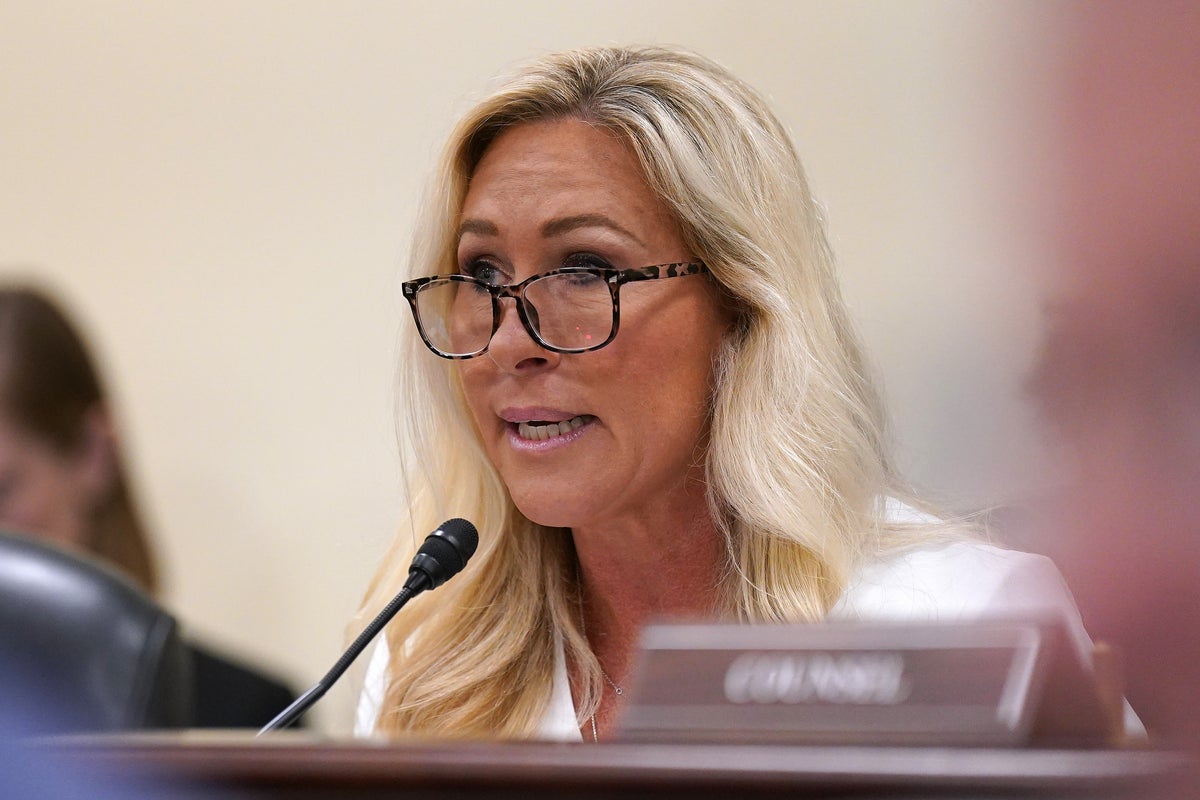
That single sentence acted like a match in a powder keg. Marjorie Taylor Greene, usually one of the administration's fiercest defenders, didn't hold back. She torched the suggestion on social media, declaring, "Not my son, over my dead body!" It’s a rare moment of public friction that reveals a deep, jagged rift in the current GOP.
Why the draft is suddenly back in the conversation
For decades, the idea of a draft was a relic of the past. But with Operation Epic Fury escalating and American casualties mounting in Iran, the math of a volunteer force is being questioned. Maria Bartiromo pressed Leavitt on the fears of mothers across the country who are terrified their children will be forced into the Middle East. Leavitt’s refusal to rule out a draft wasn't just a PR slip. It was a calculated refusal to limit presidential power.
Defense Secretary Pete Hegseth echoed this "no limits" approach in a 60 Minutes interview. He argued that telling the press or the enemy what you won't do is a tactical error. While that might make sense in a war room, it’s a disaster in a living room. Parents who voted for a candidate they believed would end "forever wars" are now hearing that their kids might be the ones sent to finish this one.
Marjorie Taylor Greene and the MAGA anti-war wing
The backlash from Marjorie Taylor Greene is significant because it represents a large chunk of the Republican base that feels betrayed. These voters were promised an "America First" policy that prioritized domestic issues over regional conflicts in the Middle East. Greene’s "liars every single one of them" comment wasn't aimed at Democrats. It was aimed at her own party's leadership.
She’s not alone. While Senate Republicans mostly voted to defeat a War Powers resolution that would have reined in the conflict, the polling tells a different story. Recent data shows only 27% of Americans approve of the strikes against Iran. Among the MAGA faithful, there's a growing sense that the administration is being pulled back into the very neoconservative interventionism they spent years campaigning against.
The internal struggle for the soul of the GOP
This isn't just about one interview. It's about a fundamental disagreement on what "strength" looks like.
- The Hegseth/Leavitt View: True strength is keeping the enemy guessing and being willing to use every resource—including the American population—to achieve a military objective.
- The MTG/Base View: Strength is having the discipline to stay out of foreign quagmires and protecting American families from being used as pawns in global regime changes.
The administration’s "peace through strength" mantra is being put to its ultimate test. If the goal was to obliterate Iran's nuclear capabilities, many are asking why the mission keeps expanding. When the White House says they have enough munitions but then meets with defense contractors to "speed up production," it sends a message that this won't be a short engagement.
What this means for families right now
If you're a parent or a young person of draft age, "keeping options on the table" sounds like a threat. Even though the administration claims a draft isn't "part of the current plan," the refusal to take it off the table is what matters. It suggests that the scale of the Iran conflict could eventually outpace the current capacity of the all-volunteer military.
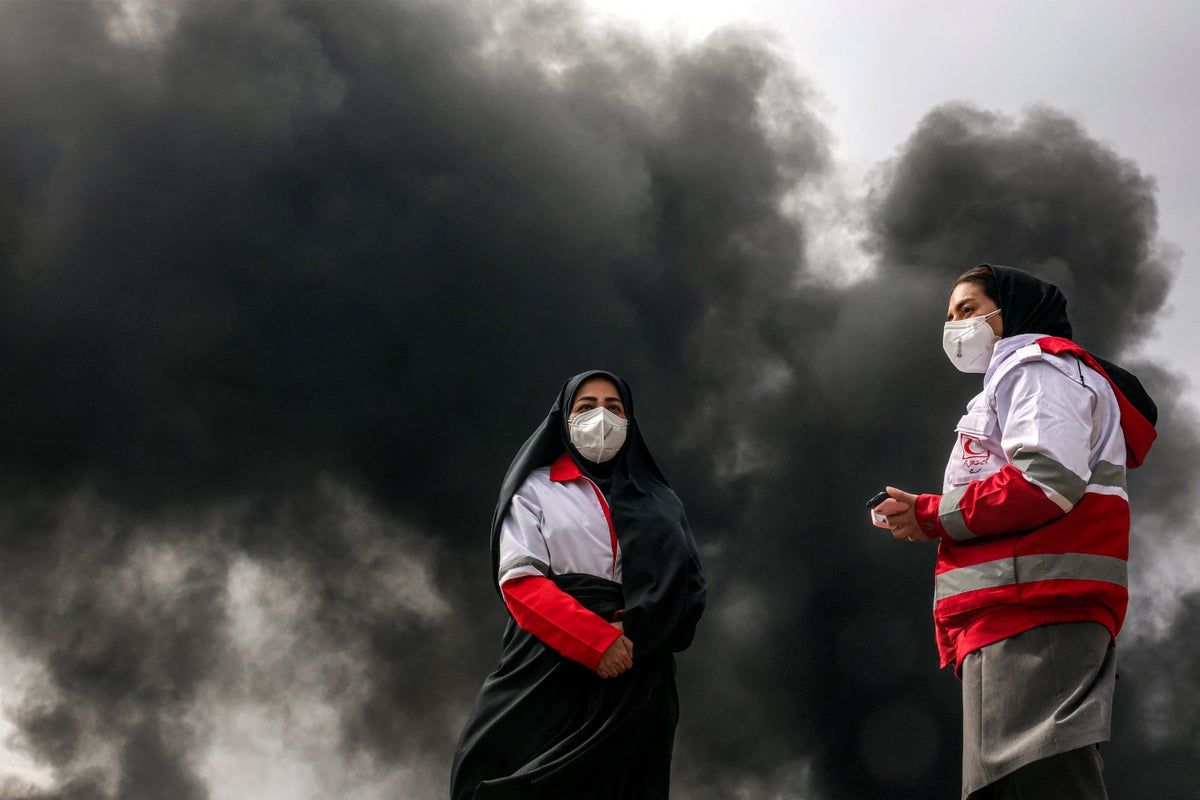
The reality on the ground is grim. Seven U.S. service members have already been killed. Reports of civilian casualties in Iran, including a girls' school hit by an alleged American strike, are souring public opinion further. This isn't the quick, surgical strike some had hoped for. It’s a war.
How to navigate the coming months
Politically, the "dam is breaking," as Greene put it. You can expect more Republicans to break ranks if the administration doesn't provide a clear exit strategy or a definitive "no" on the draft. For the average person, this is the time to pay close attention to the War Powers Act debates in the House.
The most immediate thing you can do is voice your concerns to your local representatives. The Republican majorities in Congress have largely stepped aside so far, but they're sensitive to their constituents' "war fatigue." If the phone lines start lighting up with parents echoing Greene’s "not my son" sentiment, the political calculus in Washington will change fast. Keep an eye on the upcoming midterm cycles—this issue is likely to be the primary litmus test for every candidate on the ballot.