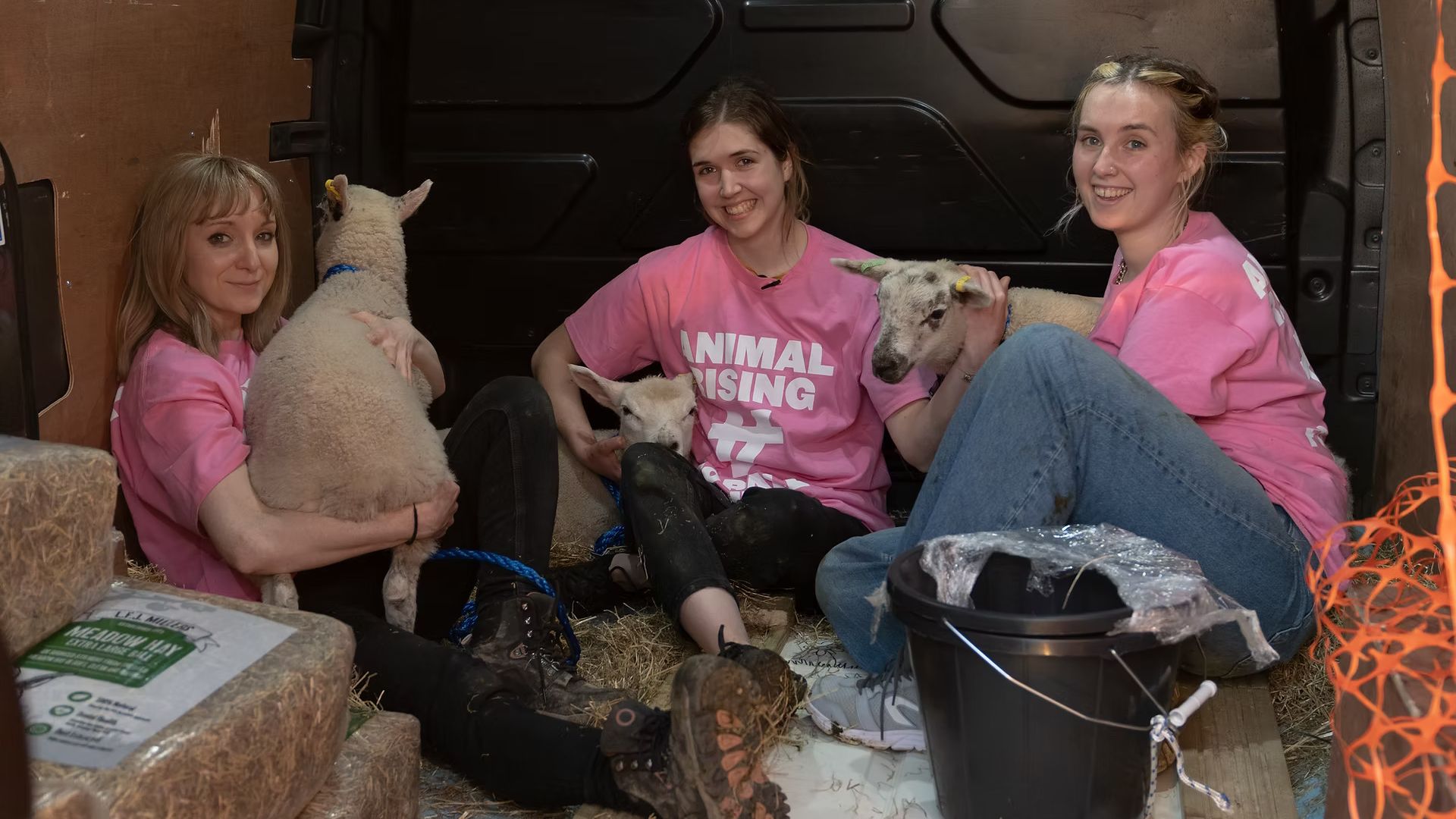
When three members of the activist group Animal Rising walked onto the King’s Sandringham estate in Norfolk, lifted three newborn lambs into carriers, and calmly waited for local police to arrive, they were not committing a robbery in any conventional sense. They were staging a meticulously calculated piece of political theater. Recently found guilty of theft, these individuals achieved precisely what their collective set out to accomplish: a front-row seat in a courtroom spotlight, weaponizing the machinery of the British legal system to force a national conversation on animal welfare and land use.
To understand this incident is to look past the sensationalism of royal property breaches and examine a profound shift in modern radical tactics. For decades, environmental and animal rights movements relied on blockades, paint-splattering, and passive picketing. Those methods grew stale. They faded into the background noise of twenty-four-hour news cycles. Animal Rising recognized a stark truth. If you want attention, you have to strike where the optics burn brightest. Targeting a monarch who has spent half a century championing organic farming and conservation created a glaring contradiction that activists exploited with ruthless efficiency.
The logistics of the operation were almost secondary to the symbolism. Sandringham is vast, sprawling across thousands of acres of open fields, working farms, and royal residences. Securing every perimeter fence against a determined duo carrying empty pet crates is an operational impossibility unless the Crown converts its private estates into militarized zones. The activists did not sneak away into the night. They drove straight to a police station with the lambs in tow, ensuring immediate arrest, immediate media coverage, and an immediate trajectory toward trial.
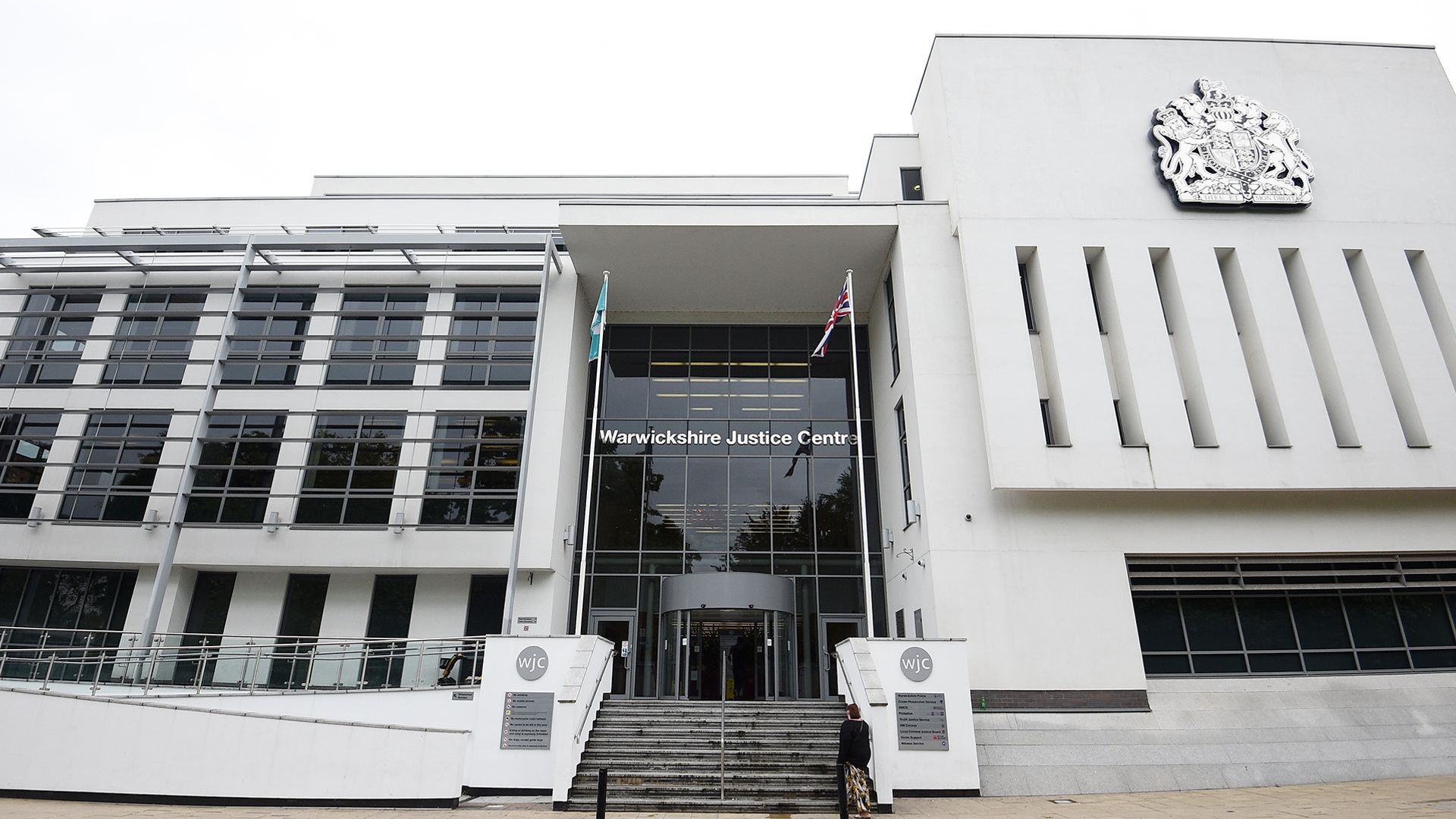
This brings us to the core tension of the courtroom drama that followed. Under English criminal law, taking an animal from a private farm is theft, plain and simple. The defense attempted to frame the act through the lens of necessity and altruism, arguing that the welfare of the animals justified the transgression. Jurors and judges, bound by statute rather than moral philosophy, rejected this line of reasoning. Property rights remain a foundational pillar of legal stability. Once the court carved out an exception for ideological poaching, the entire framework of private ownership would begin to fracture. The guilty verdict was a foregone conclusion from the moment the first witness took the stand.
Yet, securing a conviction misses the strategic point entirely. For movements operating on the fringes of public acceptance, a guilty verdict is rarely a deterrent. It is currency. Every court appearance generated headlines. Every sentencing hearing offered a platform to broadcast manifestos about a plant-based future and the abolition of livestock farming. The courtroom transforms from a house of correction into an amplifier.
Critics from agricultural unions and rural communities viewed the stunt with unalloyed fury. Farmers working grueling hours to maintain livestock amidst rising feed costs, stringent regulations, and volatile market conditions saw the action not as noble activism, but as reckless endangerment. Removing unweaned lambs from their mothers carries biological risks that urban-dwelling activists frequently ignore in pursuit of a photo opportunity. The animals were eventually returned, but the friction between rural livelihoods and urban ideology deepened significantly.
The security implications for royal properties also demand a hard, unvarnished look. While Sandringham operates as a private residence, large portions of the estate are accessible to the public through rights of way and open parkland. Balancing public access with the safety of the royal family and their assets is an administrative tightrope walk. The breach exposed vulnerabilities that security analysts have debated for years. When symbolic targets become primary objectives for radical groups, heritage sites face a difficult choice between locking down public access or accepting a baseline risk of civil disobedience.
Looking closer at the ideology driving Animal Rising reveals an internal contradiction that few mainstream commentators touch upon. Their stated goal is a transition to a plant-based food system and a reallocation of agricultural land for rewilding. But stealing three lambs does not dismantle the global meat industry. It generates a temporary viral moment while alienating the very people whose cooperation is essential for structural agricultural reform. Real policy shifts require complex economic transitions, retraining programs for farmers, and massive shifts in consumer behavior. Stunts on royal estates offer none of those solutions. They offer theatrical confrontation.
As the legal dust settles on the Sandringham convictions, the broader landscape of radical protest continues to mutate. Traditional activism is giving way to direct, disruptive interventions designed to force systemic friction. The individuals found guilty may face fines, community service, or probation, but the playbook has already been written. As long as media outlets reward provocation with oxygen, and as long as symbolic targets offer an easy shortcut to the front page, the pasturelands of Britain will remain ground zero for a ideological battle that shows no signs of slowing down.