Legal battles surrounding high-profile criminal cases rarely stay quiet for long. When serious allegations surface involving a public venue, the fallout spreads far beyond the courtroom walls. People want answers immediately. They want to know what happened, who is involved, and how the legal system plans to handle it.
Recently, the case involving a Syrian man accused of a serious crime at a Warwickshire hotel captured public attention. Court proceedings move deliberately, leaving plenty of room for speculation and misinformation online. Let's look past the noise and examine what actually happened during the legal hearings.
The Charges and the Defense Stance
When a defendant steps into a courtroom to face allegations of sexual assault against a minor, the stakes couldn't be higher. The legal process requires absolute adherence to protocol, ensuring both accountability and the right to a fair defense.
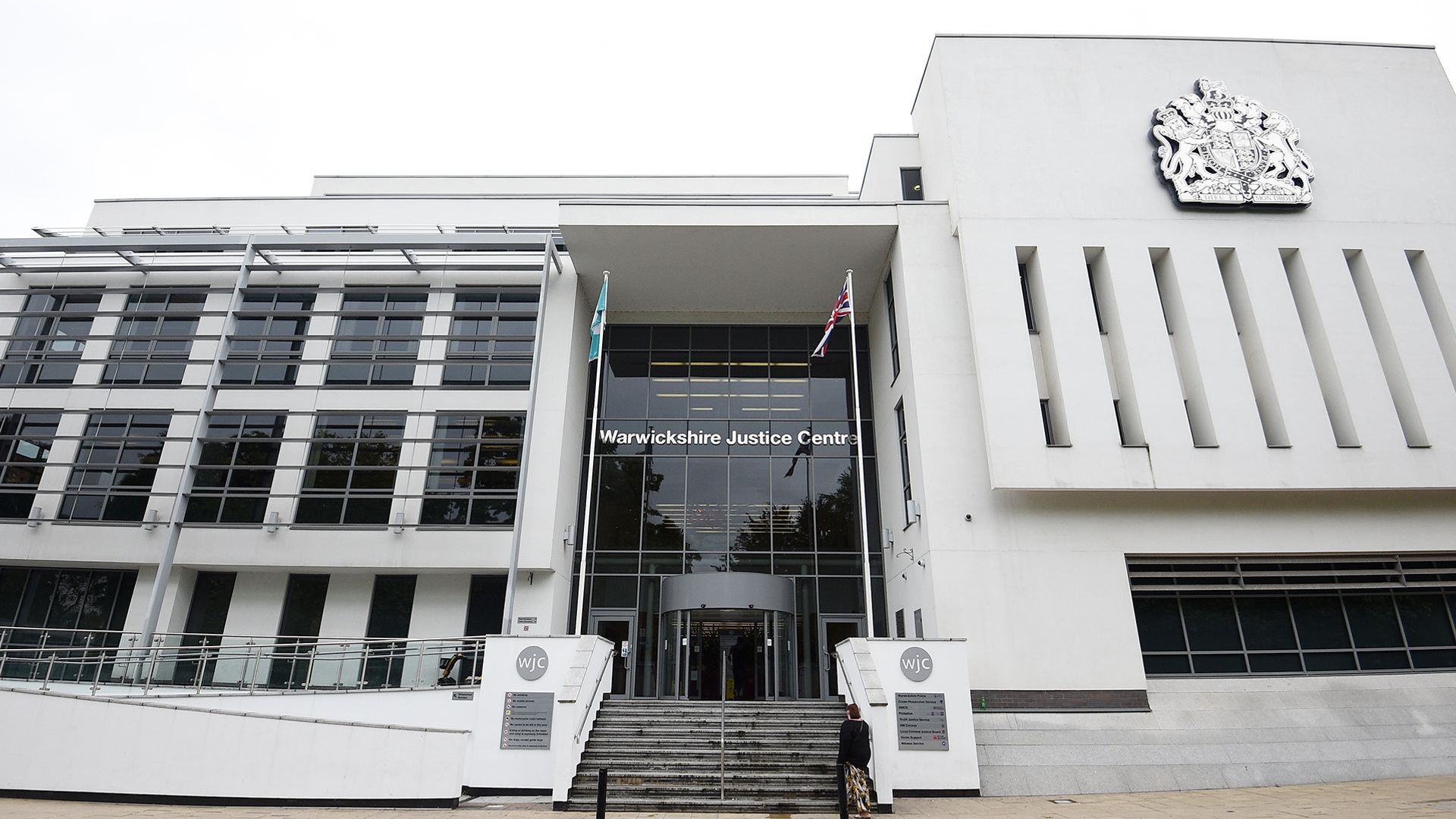
In this specific case, the accused individual entered a formal denial. Facing serious charges at Warwick Crown Court, the defendant firmly rejected the accusations of raping a fifteen-year-old girl. Denying an allegation of this magnitude triggers a complex sequence of legal maneuvers, evidence reviews, and trial preparations.
The defense team focuses heavily on establishing the timeline, examining forensic evidence, and testing the consistency of witness statements. It's a grueling process for everyone involved. The prosecution bears the heavy burden of proving guilt beyond a reasonable doubt, while the defense highlights inconsistencies or alternative interpretations of events.
Understanding the Warwickshire Hotel Context
Incidents reported at hospitality venues bring unique logistical challenges for investigators. Hotels involve constant movement, multiple staff members, guest registries, and often extensive CCTV surveillance.
When an alleged offense occurs on commercial premises, police secure the scene quickly. They pull security footage, interview employees, and preserve digital footprints. For the hotel management, dealing with an active criminal investigation creates immediate operational and reputational pressure. They must cooperate fully with law enforcement while managing guest concerns and internal safety protocols.
Public interest spikes when a local business becomes the backdrop for a major criminal trial. Rumors travel fast on social media platforms long before a jury hears the actual evidence. Separating verified court reporting from online gossip remains one of the hardest parts of following modern legal cases.
The Reality of Crown Court Trials
Navigating the English legal system takes time. Cases don't resolve overnight. Between the initial arrest, preliminary hearings, and the eventual trial date, months often pass.
During this waiting period, courts issue strict reporting restrictions. These rules protect the integrity of the trial and ensure that potential jurors form opinions based solely on evidence presented inside the courtroom, not from external commentary. Violating these rules can lead to contempt of court charges, which explains why mainstream media outlets report these stories with careful, measured language.
The legal strategy on both sides involves rigorous preparation. Barristers pore over disclosure documents, cross-examine expert witnesses, and ready their closing arguments. For the complainant, the wait means reliving trauma while preparing to give testimony under intense judicial scrutiny. For the defendant, it means preparing for a life-altering verdict.
Justice demands patience, even when the public demands instant clarity. As this case moves through the judicial pipeline, the final outcome depends entirely on the evidence presented to the jury. Until that verdict arrives, speculation remains just that—speculation.