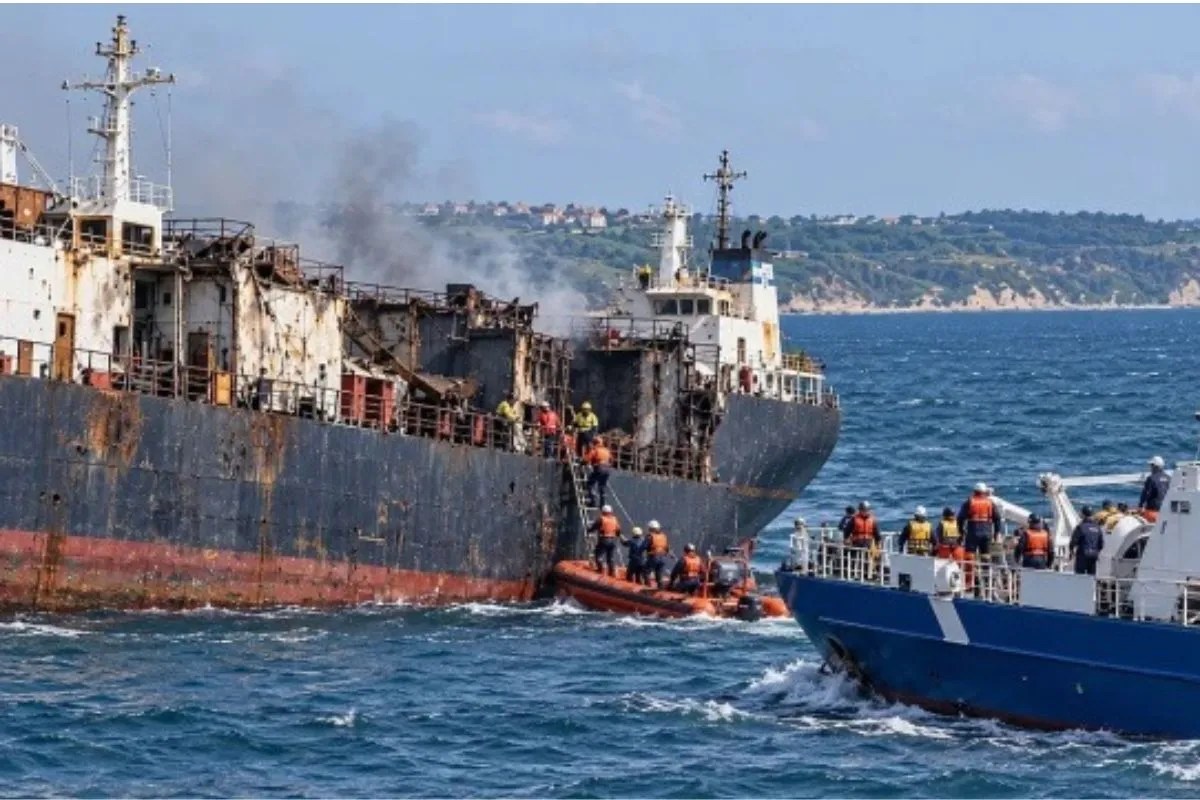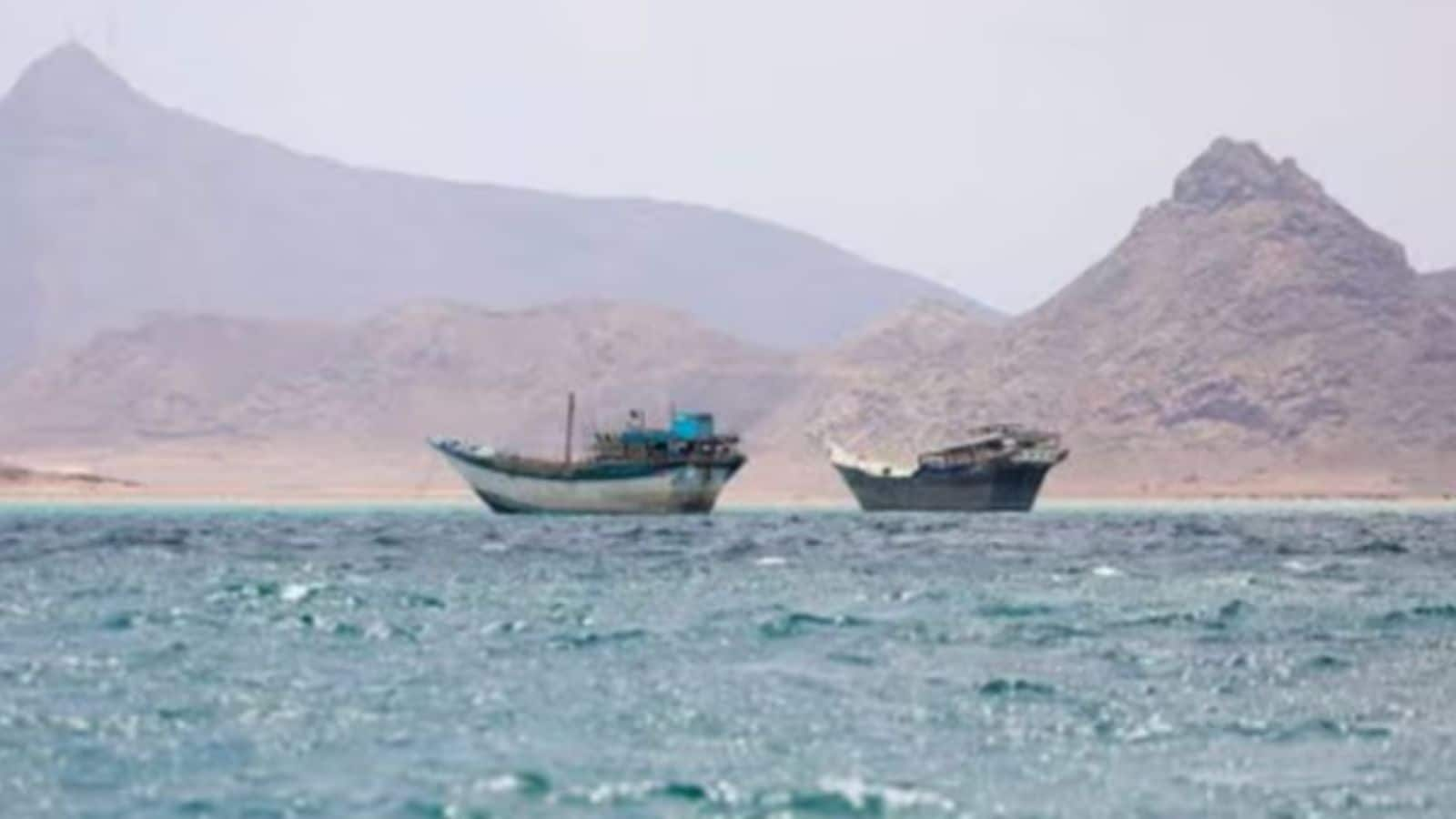
All fourteen Indian nationals aboard a yacht caught in a security incident off the coast of Yemen near Hodeidah are safe, according to statements released by the Indian embassy. Yet behind the swift diplomatic reassurances lies a grim and escalating reality. The Red Sea and its surrounding choke points have transformed into one of the most perilous maritime corridors on earth.
The incident, which drew conflicting claims and immediate concern from regional observers, highlights the acute vulnerabilities facing the hundreds of thousands of Indian mariners who power global commercial and private fleets. India stands as a primary supplier of global seafaring labor, providing over three hundred thousand skilled professionals to merchant navy fleets, private vessels, and logistics carriers worldwide. When geopolitical flashpoints ignite along critical waterways like the Bab el-Mandeb Strait and the Gulf of Aden, it is routinely Indian crews who find themselves trapped in the immediate line of fire. For a closer look into this area, we suggest: this related article.
The strategic geography of the region dictates the danger. The Bab el-Mandeb Strait is a narrow nautical artery connecting the Indian Ocean to the Red Sea and the Suez Canal. A massive percentage of global trade and energy supplies passes through this corridor daily. When regional hostilities intensify—marked by friction between Iran-backed Houthi forces and coalition actors—this commercial highway becomes a theater of kinetic engagement.
For months, the human cost to Indian crews has steadily mounted. Government data and maritime reports indicate that dozens of Indian sailors have been killed, injured, or caught up in localized strikes since regional conflicts flared across West Asia. Ships navigating these waters face asymmetric threats ranging from airborne drones to anti-ship missiles and sudden intercept actions. To get more information on the matter, in-depth reporting is available at NBC News.
The mechanics of modern maritime rescue operations in these contested zones are fraught with diplomatic and operational friction. When a vessel transmits a distress signal near Yemeni shores, local authorities, rebel factions, and international naval coalitions often present competing narratives regarding who initiated an attack and who executed a rescue. Diplomatic missions must navigate a labyrinth of non-state actors and fractured governance to verify basic facts.
In this specific instance, the Indian mission acted rapidly to establish contact with relevant regional channels, confirming that the fourteen individuals were accounted for and located near Hodeidah. However, the speed of the rescue does little to alleviate the broader anxiety plaguing maritime families across coastal India.
Shipping companies and labor syndicates face mounting pressure to reassess hazard pay, insurance premiums, and route optimization. Standard navigation through the Red Sea increasingly requires military escorts, electronic countermeasures, and real-time intelligence sharing that previous generations of merchant mariners never had to contemplate.
As geopolitical lines harden and regional powers continue their tit-for-tat infrastructure and transit strikes, the buffer zone protecting civilian vessels shrinks to near zero. The safe recovery of these fourteen individuals represents a fortunate outcome in an otherwise reckless operational environment. It remains an open question how long commercial luck can hold out against persistent military escalation in the world's most volatile shipping lanes.