Federal prosecutors and California Attorney General Rob Bonta are fighting a quiet, high-stakes turf war over who deserves credit—and political leverage—for dismantling multi-billion-dollar healthcare fraud schemes. When the U.S. Department of Justice announces nationwide sweeps targeting billions in alleged false claims or California authorities tout major Medi-Cal crackdowns, the headlines rarely show what happens behind the scenes. Both sides rely on overlapping evidence, joint task forces, and shared whistleblower referrals, yet each claims the lion's share of the results. For taxpayers and patients, that scoreboard battle matters far less than why billions keep slipping out the door in the first place.
Spend thirty years covering white-collar enforcement and program integrity, and you stop believing press releases at face value. A single investigation into phantom billing, kickbacks, or hospice schemes often spans federal Medicare accounts, state-run Medicaid or Medi-Cal budgets, tax filings, and civil False Claims Act complaints. Whoever drafts the morning press release gets to frame the story. Washington wants proof that federal enforcement is crushing nationwide fraud rings. Sacramento wants proof that state prosecutors are aggressively policing its own massive healthcare programs and pushing back against federal criticism. For a different look, check out: this related article.
Why Credit Battles Erupt Over Multi-Billion-Dollar Cases
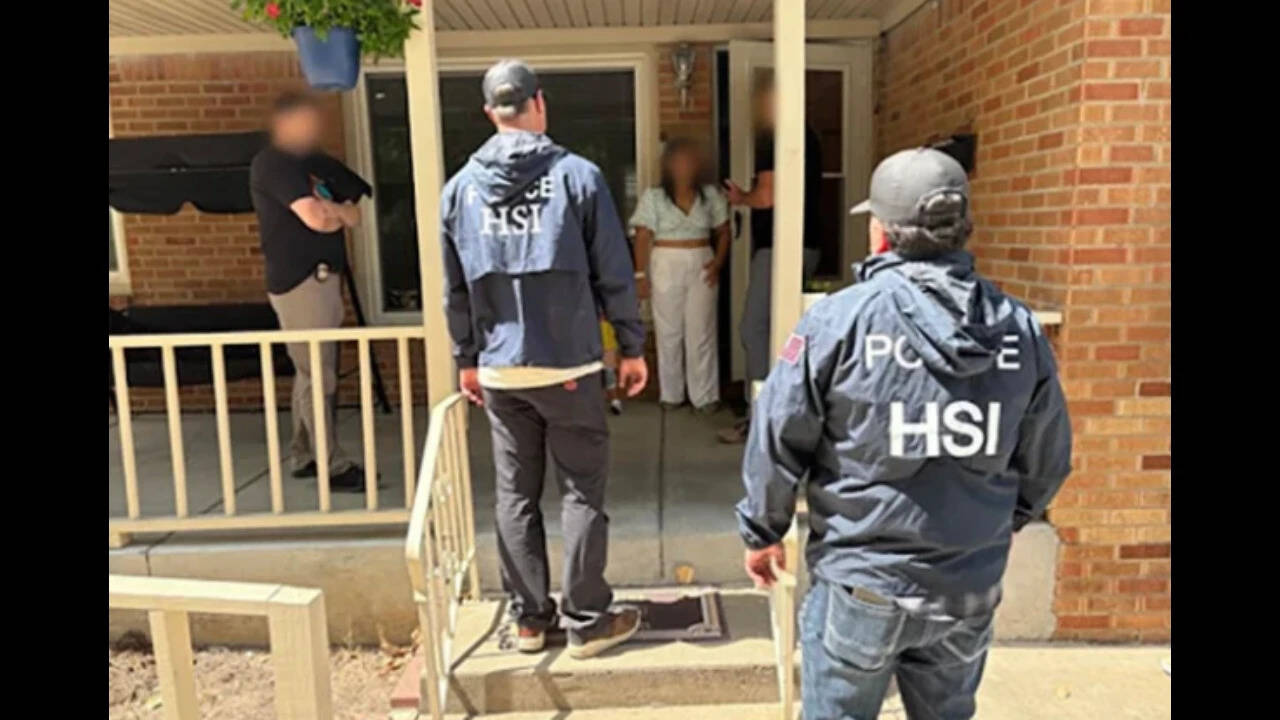
Healthcare fraud rarely fits neatly into a single jurisdiction. A scheme might start with straw owners buying up clinics or hospice providers, harvesting patient identities, and submitting waves of bogus claims across both federal and state payers. By the time agents execute search warrants or file indictments, dozens of investigators from federal health inspectors, tax auditors, local police, and state Medicaid fraud units have spent years building the case.
Credit becomes a currency because budgets and political narratives depend on it. Federal agencies point to massive national takedowns—involving hundreds of defendants and billions in alleged losses—to justify aggressive enforcement posture and cross-agency coordination. State attorneys general, including Bonta, face intense scrutiny over program oversight and spending controls, making high-profile prosecutions essential for demonstrating accountability and countering claims of state mismanagement. Similar insight on the subject has been published by The Guardian.
"Healthcare fraud is not a victimless crime. It harms patients, drives up healthcare costs, and diverts critical resources away from those who genuinely need care." — Darren Lian, Special Agent in Charge, IRS Criminal Investigation Los Angeles Field Office
That tension intensifies when political friction enters the room. When federal officials criticize state-level oversight or argue that lax controls enabled large-scale fraud, state leaders push back with their own enforcement tallies. When state prosecutors lead a major regional takedown, federal partners still hold crucial statutory levers, federal grand jury tools, and nationwide financial tracking that can turn a local case into a broader federal prosecution.
The Mechanics Behind Shared Investigations and Billing Schemes
Understanding the clash requires looking at how modern healthcare fraud actually operates. Bad actors no longer rely solely on simple overbilling by a lone doctor. Fraud rings frequently treat healthcare licenses and billing numbers like disposable corporate shells.
- Straw ownership and shell entities: Bad actors use front owners to acquire licensed facilities—such as clinics or hospice operators—making it harder for regulators to trace the true financiers behind sudden spikes in claims.
- Identity harvesting and ghost care: Schemes routinely use real beneficiary identifiers to bill for services that never occurred, or enroll patients who do not need the care being billed.
- Kickbacks and referral steering: Improper payments or above-market arrangements steer patients and high-margin orders toward specific providers, distorting clinical judgment and inflating costs.
- Multi-payer layering: A single billing operation can hit federal health programs, state Medicaid plans, and private or workers' compensation payers simultaneously, complicating financial tracing.
Note: The following walkthrough is a hypothetical example illustrating how a multi-jurisdictional investigation typically splits along legal lines.
Imagine a hypothetical ring operating across three counties that bills both a state Medicaid program and a federal health program for home or hospice visits that never happen. State Medicaid fraud auditors might uncover the pattern first through claims anomalies and patient interviews, building the state-level evidentiary trail. Meanwhile, federal agents may trace wire transfers, tax evasion, or interstate communications that support federal conspiracy and money-laundering charges. Both offices can truthfully say their work was essential, even as their public messaging highlights different angles.
| Enforcement Dimension | Federal Prosecutors & Agencies | State Attorney General & Medicaid Units |
|---|---|---|
| Primary Program Focus | Federal health programs, national sweeps, interstate schemes | State Medicaid or Medi-Cal programs, local provider networks |
| Key Legal Levers | Federal criminal statutes, nationwide subpoenas, tax and wire cases | State fraud statutes, Medicaid fraud unit actions, state licensing referrals |
| Political Incentive | Show national deterrence and multi-agency reach | Show state-level toughness and defend program integrity |
| Common Friction Point | Claiming headline credit for cases built with heavy state legwork | Resisting blame for systemic vulnerabilities while claiming enforcement wins |
What Headline Numbers Hide About Recovery and Deterrence
Big numbers sell stories. Announcing billions of dollars in alleged fraud or hundreds of charged defendants creates an impression of decisive victory. Seasoned investigators know better than to confuse alleged losses or billed amounts with money actually recovered.
Fraudsters routinely submit inflated or entirely fictional bills knowing that only a fraction will ever be clawed back. By the time indictments are unsealed, illicit proceeds have often been moved offshore, converted into real estate or luxury goods, or spent through layers of shell accounts. Criminal convictions and civil settlements matter—and they do punish offenders—but actual cash recovery frequently lags far behind the headline dollar figure attached to a case.
There is also a gray area in how enforcement is measured. Aggressive prosecution shows activity, yet prosecution happens after the money has already gone out the door. If billing systems approve claims quickly with thin front-end verification, enforcement becomes a perpetual catch-up game. Critics from across the political spectrum often argue that neither federal nor state authorities have solved the core prevention problem, even when they fiercely compete for credit on enforcement.
The Whistleblower Factor Nobody Can Ignore
Behind many of the highest-value healthcare fraud recoveries sits a private insider or competitor filing a qui tam lawsuit under federal or state False Claims Act laws. Whistleblowers often supply the internal emails, billing records, or operational proof that turn suspicious data patterns into courtroom evidence.
When governments resolve these cases, whistleblowers can receive a substantial statutory share of the recovery. Yet public credit battles between federal and state officials rarely center on the relator who took the career risk to expose the scheme. Instead, the spotlight goes to prosecutors and agency leaders, reinforcing the perception that enforcement is a contest between rival institutions rather than a shared public duty.
How Real Accountability Looks Beyond Press Releases
If the goal is protecting public funds and vulnerable patients rather than winning news cycles, the yardstick has to change. Voters, lawmakers, and industry watchdogs should look past announcement volume and press for concrete operational metrics.
- Track net recovery, not just billed fraud: Compare alleged or billed totals against actual dollars returned to state and federal health treasuries after legal costs and payouts.
- Measure front-end payment blocks: Ask how much improper billing was stopped before payment went out, rather than counting only post-payment prosecutions.
- Watch post-indictment oversight: Check whether problem operators, straw owners, or affiliated clinics are permanently barred from re-entering healthcare billing under new names.
- Demand joint transparency: Look for clear, consistent accounting of how federal and state teams divided investigative labor and recoveries on shared cases.
Credit fights between federal authorities and state attorneys general like Bonta will keep flaring whenever multi-billion-dollar healthcare fraud cases hit the docket. The real test is whether that rivalry pushes both sides to fix leaky payment gates and close regulatory loopholes before the next fraud ring cashes out.