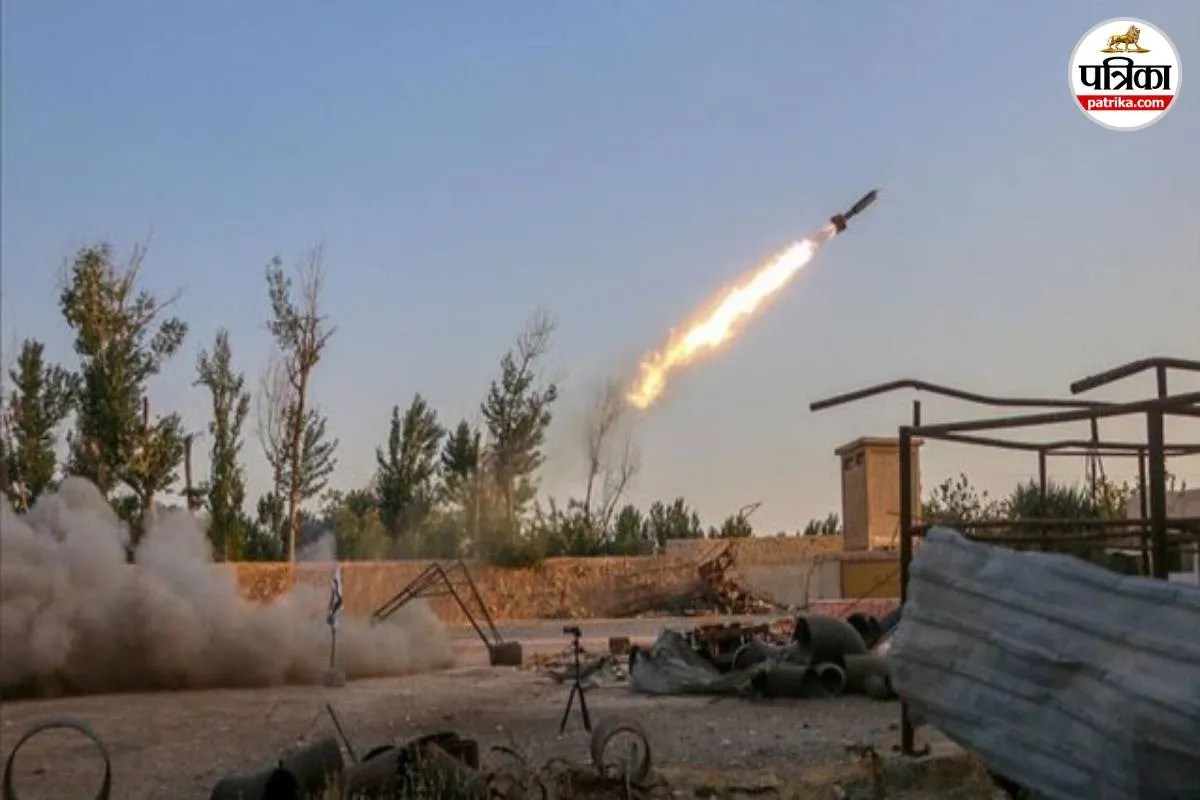
Yemen's internationally recognized government recently authorized a massive wave of military retaliation, reporting 133 distinct combat operations against Houthi positions over a single 24-hour window. This sudden surge in kinetic activity, utilizing rocket artillery, field guns, and loitering munitions across contested frontlines like Taiz, Marib, and Mokha, marks a dangerous unraveling of the 2022 UN-brokered truce that had long frozen the country's internal conflict.
To understand why the conflict has exploded back into active warfare, one must look beyond the dry military communiqués coming out of Aden. The trigger was not an abstract political disagreement, but a sequence of bloody Houthi missile strikes targeting the strategic Red Sea port city of Mokha. When ballistic missiles slammed into commercial shipping and local port infrastructure near the Bab el-Mandeb Strait—killing civilian crew members and rescue workers—the Presidential Leadership Council realized that maintaining tactical restraint was no longer an option.
The Anatomy of a Breaking Truce
For over four years, the frozen frontlines created a false sense of security. International diplomats treated the quiet as a permanent settlement rather than what it actually was: a temporary tactical pause. During the lull, the Houthi movement did not demilitarize. Instead, they deepened their entrenchment, refined their asymmetric drone capabilities, and tied their domestic operations tightly to broader regional theater maneuvers.
When regional tensions spilled over into maritime choke points, the Houthis intensified their campaign against government-controlled economic arteries. The assault on Mokha was calculated to sever the internationally recognized government from its vital coastal lifelines. By attacking the port, the group aimed to isolate government-held enclaves, disrupt commercial trade, and project unchallenged dominance over the southern entrance to the Red Sea.
Military spokesmen for the official Yemeni forces frame the current offensive as a necessary defensive counter-escalation designed to dismantle active threats at their source. Yet, military analysts tracking the ground reality note that heavy artillery duels and continuous drone strikes point toward a return to total war. Frontline commanders are no longer holding positions; they are actively contesting territory that had remained stagnant since the initial ceasefire agreements.
The Maritime Chokepoint Dilemma
The strategic geography of the Bab el-Mandeb Strait dictates the stakes of this renewed fighting. Every vessel navigating between the Indian Ocean and the Suez Canal must pass through this narrow maritime corridor. When shore-based ballistic missiles and fast attack boats threaten this zone, global supply chains stutter.
The government’s recent operations are heavily focused on pushing Houthi launch batteries away from the coastline. Rocket artillery and drone aviation deployed by state-aligned units are targeting ammunition depots and command nodes buried deep within rugged terrain. However, routing out entrenched insurgent cells from mountainous topography requires sustained ground combat that conventional air power alone cannot achieve.
Observers on the ground point out a harsh tactical reality. While government forces can report hundreds of localized strikes in a matter of days, the structural asymmetry of the war remains unchanged. Insurgent networks rely on decentralized supply lines and subterranean hardening, making them uniquely resilient against conventional military pressure. Every rocket fired by state forces is met with a calculated adaptation by groups skilled in asymmetric warfare.
The Humanitarian Fallout
Beneath the tactical reporting of drones and artillery lies an unfolding human catastrophe. Millions of civilians trapped between advancing government lines and Houthi-controlled zones face renewed displacement. Humanitarian corridors are closing as frontline skirmishes creep closer to residential neighborhoods and agricultural fields.
International mediators have issued stark warnings that the window to prevent a full relapse into multi-year devastation is closing rapidly. UN envoys find their diplomatic frameworks bypassed by the sheer velocity of incoming missiles and outgoing counter-strikes. As long as the combatants view territorial control as an existential zero-sum game, local populations will continue to bear the immediate cost of the artillery exchanges.
The escalation shows no signs of localized containment. With supply lines hardening and external backers reinforcing their respective allies on the ground, the fractures running through Yemen are widening once again into an open chasm.