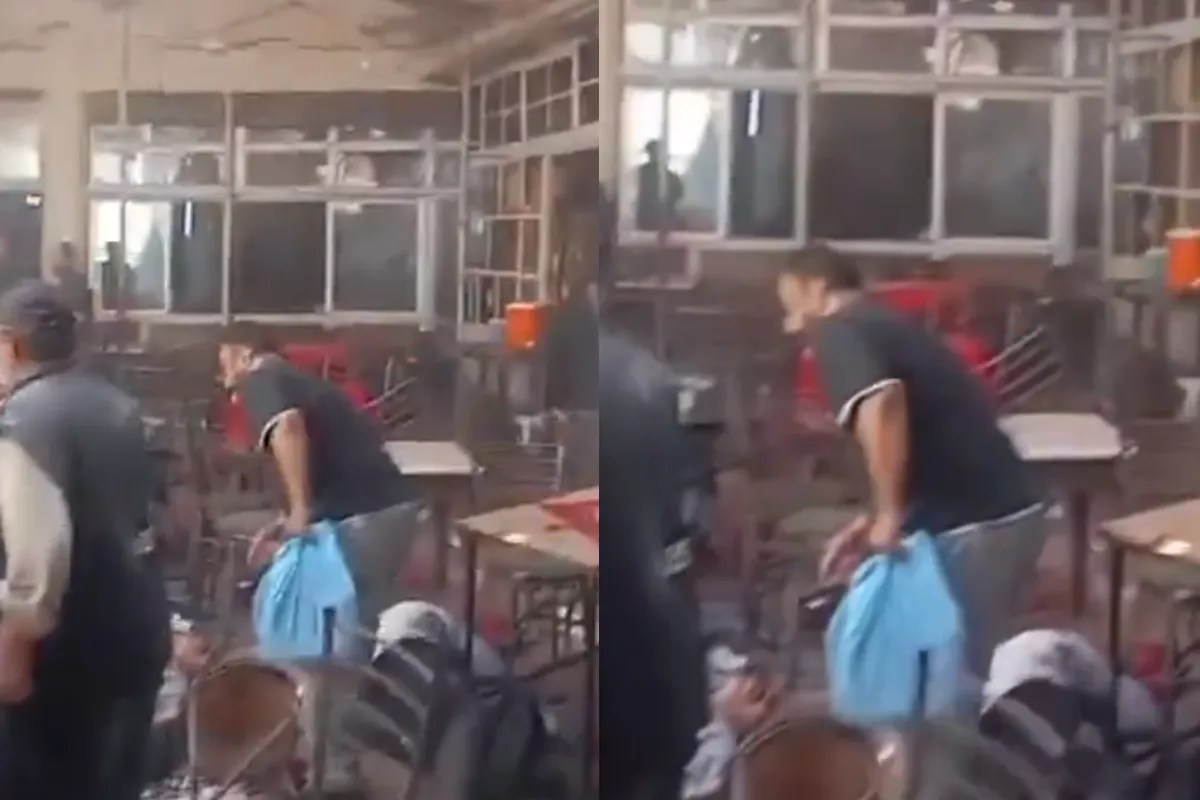
A devastating bomb blast ripped through a crowded cafe in the heart of Damascus, killing five people and leaving sixteen others seriously wounded. The explosion shatters the carefully manufactured image of absolute security that the Syrian government has projected over the capital in recent years. While state media rushed to frame the attack as an isolated criminal act, local security sources confirm the blast bears the hallmarks of an orchestrated political message. The incident exposes the deep vulnerabilities remaining within the regime’s core stronghold, proving that the Syrian conflict has merely mutated rather than ended.
The Breach at the Heart of the Regime
The blast targeted a popular civilian hub during peak evening hours. The choice of location was deliberate. For years, the capital has been insulated from the active frontlines by layers of military checkpoints, intelligence operatives, and intense surveillance. An explosive device penetrating this dragnet is not just a tragedy. It represents a catastrophic intelligence failure. Meanwhile, you can find related stories here: Inside the Military Protest Crisis Nobody is Talking About.
Security analysts operating in the region point out that moving explosives into central Damascus requires either sophisticated smuggling networks or high-level complicity. The capital's perimeter is strictly monitored by various competing factions of the Syrian security apparatus. To understand how a bomb detonates in a civilian cafe, one must look at the internal fragmentation of these very security forces.
The Fragmented Security Apparatus
Syria's current stability relies on a patchwork of loyalist militias, regional intelligence branches, and foreign state backers. Each entity controls specific neighborhoods and checkpoints. This division of power creates massive blind spots. To understand the bigger picture, we recommend the detailed article by Al Jazeera.
- Intelligence Rivalries: The competition between Military Intelligence and the Air Force Intelligence Directorate often prevents critical information sharing.
- Checkpoint Corruption: Economic desperation has made lower-level soldiers at checkpoints susceptible to bribery, allowing illicit cargo to pass for the right price.
- Militia Autonomy: Local defense networks answer to independent commanders rather than a centralized military command, complicating unified counter-terrorism efforts.
This fractured environment allows insurgent remnants or rogue actors to exploit the gaps. When checkpoints become profit centers rather than security barriers, the entire apparatus fails.
The Geometry of Terror in Urban Centers
Explosive devices detonated in enclosed urban spaces maximize casualties through a specific physical mechanism. The pressure wave generated by the blast reflects off concrete walls, multiplying the force experienced by those inside.
When a bomb detonates in an open area, the energy dissipates rapidly. In a confined cafe, the shockwave hits the structure, bounces back, and creates a secondary compression zone. This dynamic explains why a relatively small device can cause such high numbers of fatalities and severe internal injuries among survivors. The physical destruction of the cafe structure itself becomes a secondary weapon, producing lethal flying debris.
The Geopolitical Fallout
No group has claimed immediate responsibility for the attack. However, the timing coincides with renewed geopolitical maneuvering in the Middle East. The blast serves as a violent reminder to international observers that the Syrian theater remains highly volatile.
Foreign powers seeking to normalize relations with Damascus base their strategies on the assumption that the government maintains absolute control over its territory. Incidents like this disrupt that narrative. They show that despite winning the conventional war against major rebel enclaves, the state cannot guarantee basic security in its most fortified zone. This reality complicates regional reconstruction talks and deters foreign investment, stalling the country's economic recovery.
The Economic Toll on Everyday Survival
For the residents of Damascus, the bombing inflicts psychological trauma and severe economic dread. The city is already reeling from hyperinflation, fuel shortages, and crumbling infrastructure. Cafes and small markets are the final remnants of normal social life.
When these spaces become targets, civilian movement drops. Business owners who are already struggling to keep the lights on face a sudden loss of patrons. The economic ripple effect of a single blast can paralyze a commercial district for weeks, deepening the misery of a population trapped between systemic economic collapse and the sudden threat of violence.
The government's response has followed a familiar pattern. Cordon off the area, arrest low-level suspects, and declare the situation under control. But the structural rot within the security grid cannot be fixed by superficial crackdowns. Until the systemic corruption at the outer checkpoints is addressed and the infighting among intelligence branches ceases, the capital remains vulnerable to the next shadow actor looking to send a bloody message through the streets of Damascus.