The vibration starts in the soles of your feet before you hear it.
On the bridge of a 150,000-ton supertanker, the world feels deceptively slow. You are moving at barely fifteen knots, but the momentum is terrifying. Beneath your boots, millions of barrels of crude oil strain against the steel hull, a volatile cargo destined for refineries in Rotterdam, Shanghai, or Texas.
Then comes the choke point.
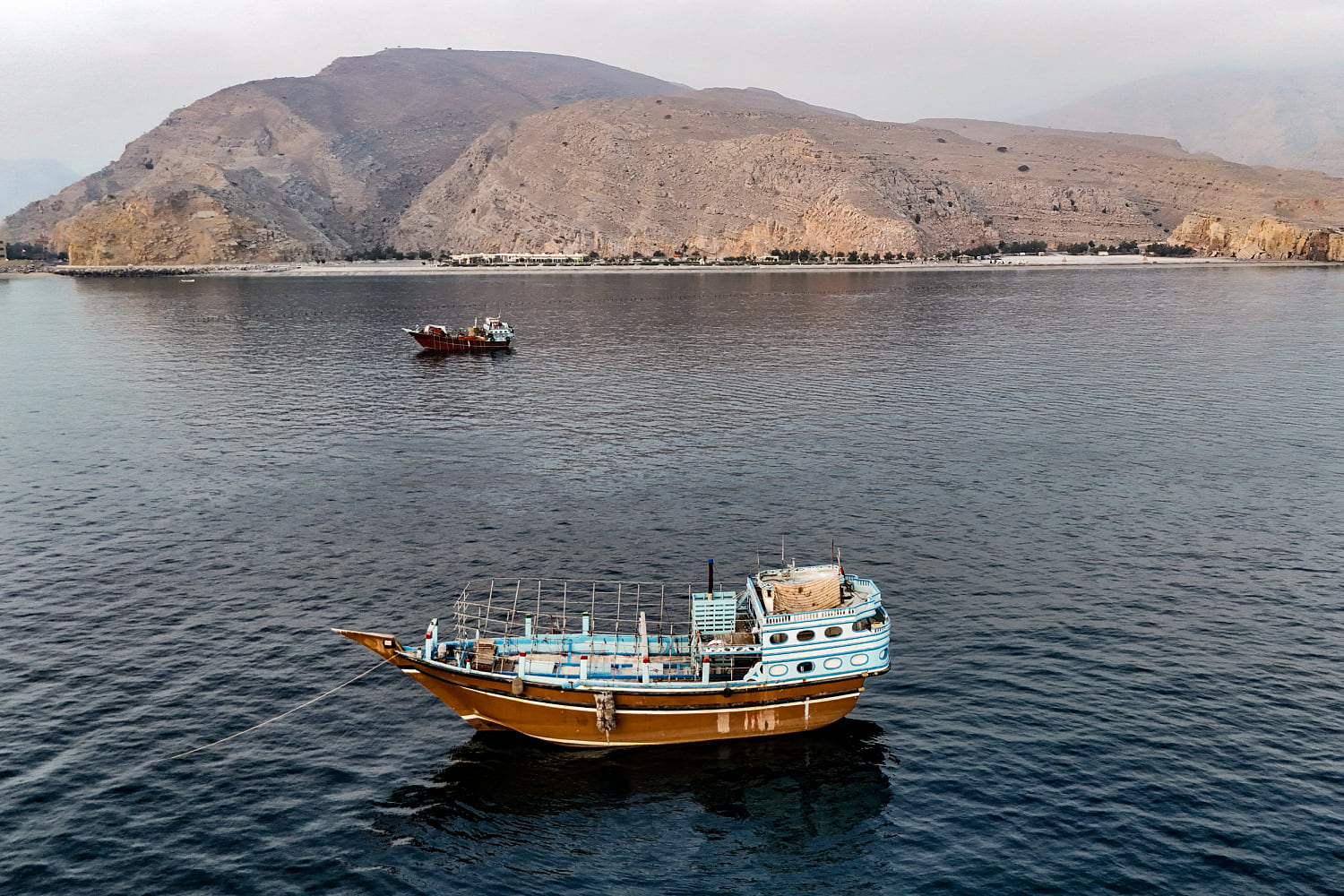
To your left, the jagged, sun-bleached cliffs of Iran’s Musandam Peninsula rise like broken teeth from the sea. To your right, the islands of Oman sit low in the shimmering haze. This is the Strait of Hormuz. At its narrowest, the shipping lane is just two miles wide. It is the world’s most critical jugular vein. One-fifth of the globe’s petroleum passes through this exact patch of blue water.
For decades, navigating this passage was a test of raw nerves, a geopolitical game of chicken played out between naval warships and commercial freighters. But a new reality is quietly taking shape in the Persian Gulf. It is a shift away from guns and toward ledgers.
Iran and Oman have quietly put forward a proposal that could rewrite the economics of global trade. They want to charge a toll.
The Price of Safe Passage
To understand why this matters to someone buying gasoline in Ohio or electronics in Tokyo, we have to look past the grand political speeches and look at the math of the sea.
Consider a hypothetical captain named Marcus. He has spent thirty years dodging storms and navigating treacherous waters. In the old days, his biggest worry in the Strait was friction—the literal risk of collision in a crowded lane, or the geopolitical friction of an unannounced military exercise. Today, his concern is bureaucratic.
Under the proposed framework, every commercial vessel crossing these waters would be subject to a transit fee. The justification presented by Tehran and Muscat is straightforward: maintaining security, managing traffic, and clearing environmental hazards costs money. If you use the road, you pay the toll.
But international waters have long been treated as the ultimate commons. The United Nations Convention on the Law of the Sea (UNCLOS) establishes the right of "transit passage" through international straits. It is a legal shield that allows ships to move freely without harassment or taxation, provided they proceed continuously and expeditiously.
The new proposal tests the very limits of that legal fabric.
By introducing a fee structure, Iran and Oman are attempting to formalize their grip on the waterway. It is a brilliant, if highly controversial, pivot from military posturing to economic statecraft. Why threaten to close a strait when you can simply monetize it?
The Invisible Ripples
The immediate reaction from global commodity markets is often a collective shrug, followed by a sudden spike.
When a maritime toll is introduced, the math trickles down instantly. A fee of a few thousand dollars per transit might seem insignificant for a cargo worth eighty million dollars. But shipping operates on razor-thin margins and compounding costs.
- Insurance Premiums: The moment a waterway is reclassified or subject to new regulatory friction, underwriters adjust their risk profiles.
- Fuel Burn: Ships delaying their entry to clear paperwork or verify payments consume thousands of gallons of marine fuel just idling in the gulf.
- Supply Chain Lag: A twelve-hour delay at the mouth of the Gulf compounds into missed docking windows in Singapore, creating a domino effect across global retail supply chains.
The true weight of this proposal falls on the consumer. You do not see the toll collected in the Strait of Hormuz. You see it when the price of a gallon of fuel ticks upward, or when the cost of importing manufacturing components rises by a fraction of a percent.
It is an invisible tax on global connectivity.
A Ledger Written in the Sand
The partnership between Iran and Oman is not accidental. They are neighbors separated by a narrow strip of water, yet their political identities could not be more distinct.
Oman has long played the role of the Middle East’s diplomatic chameleon. Quiet, neutral, and trusted by both Washington and Tehran, Muscat specializes in defusing crises before they explode. Iran, conversely, operates under the heavy weight of international sanctions, constantly seeking leverage against Western economic pressure.
In this joint venture, their interests converge perfectly. Oman gains a structured, legalized mechanism to fund its maritime infrastructure and assert its sovereignty over its territorial waters. Iran achieves something far more valuable: recognition as a legitimate gatekeeper of global trade.
If the international community accepts the principle of a fee plan, it implicitly accepts the authority of the gatekeepers to set the rules.
Imagine the precedent this sets. If the Strait of Hormuz becomes a paid transit zone, what stops other nations from eyeing their own strategic choke points? The Bab-el-Mandeb? The Malacca Strait? The global ocean, once a free highway, risks becoming a series of gated communities.
The Human Cost of the Friction
Back on the bridge of the supertanker, Captain Marcus doesn't care about diplomatic precedents. He cares about the radar screen.
He watches the blips of dozens of other vessels crowded into the approach lanes. The heat outside is suffocating, a heavy, wet blanket of humidity that makes the metal railings painful to touch. The crew is already exhausted from heightened security protocols. Now, they must manage a new layer of compliance.
The sea used to be a place where the rules were simple, dictated by gravity, wind, and tide. Now, the rules are dictated by spreadsheets drafted in capital cities hundreds of miles away.
The friction is real. Every new form, every required declaration, every radio call to a coastal authority adds weight to the shoulders of the mariners who keep the global economy afloat. They are the ones who bear the immediate psychological cost of geopolitical maneuvering.
The proposal remains in the halls of diplomacy for now, debated by lawyers and analysts who argue over the precise wording of maritime law. They will discuss whether a fee constitutes an illegal tax or a legitimate service charge for navigation aids. They will file briefs and publish white papers.
Meanwhile, the ships keep coming.
They emerge from the horizon in a endless line, carrying the lifeblood of modern civilization through a gap in the rocks so narrow you can see the shore on either side. The cliffs look eternal, unchanged by the rise and fall of empires. But the water between them is changing. The age of the free ocean is slipping away, replaced by the steady, unyielding click of a cosmic turnstile.