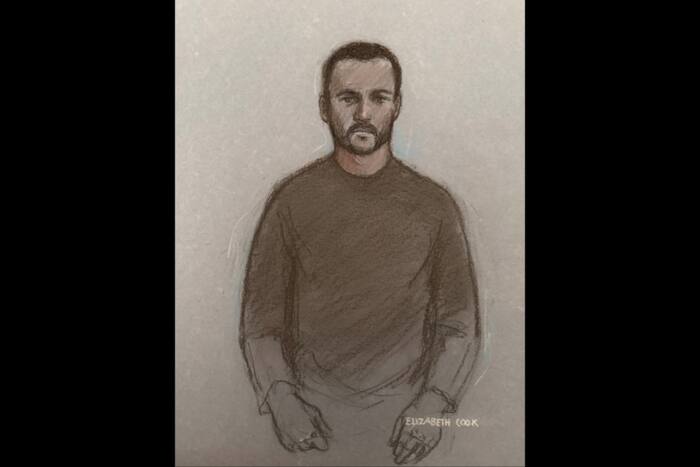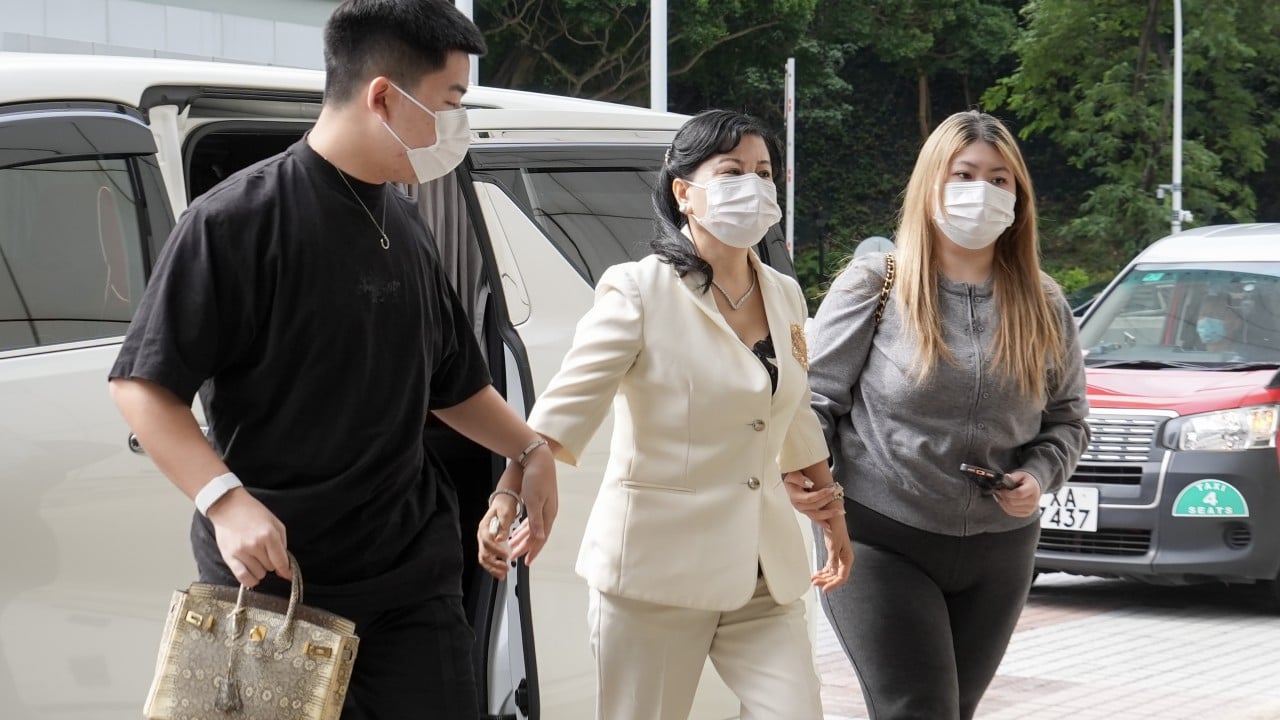
Greed rarely looks dramatic at first. Often, it wears a quiet face, hiding behind familial ties and real estate contracts until it turns deadly. The high-profile murder trial surrounding Hong Kong socialite Abby Choi has exposed a chilling dynamic, centering heavily on her former father-in-law, Kwong Kau. Described in court proceedings as a calculating figure who tightly gripped the victim's financial assets, Kwong Kau's actions have laid bare how money can warp family relationships into something fatal.
When a wealthy young influencer supports her former husband's entire family, boundaries matter. In Choi's case, those boundaries vanished entirely. Court testimonies reveal a web of property deals, multi-million dollar transactions, and bitter financial disputes that ultimately culminated in an unimaginable tragedy in Tai Po’s Lung Mei Village.
The Anatomy of a Financial Trap
Property in Hong Kong is notoriously expensive. That reality dictates how many families structure assets, but the arrangement involving Choi and the Kwong family crossed dangerous lines. Kwong Kau, a former police officer, orchestrated transactions that placed high-value properties under his own name while being funded entirely by Choi.
Prosecutors and witnesses detailed how Choi sought to sell a luxury Kadooria property in Ho Man Tin, a move that threatened the housing security and financial cushion the ex-in-laws had grown accustomed to enjoying. Testimony presented to the jury painted a picture of an older man who refused to let go of an elite lifestyle funded by someone else's success.
Instead of accepting a real estate transaction, the situation spiraled. The courtroom heard explosive details regarding pre-meditated plans, suspicious purchases of commercial kitchen tools, and frantic cover-ups.
Family Betrayals Inside the Courtroom
As the legal proceedings advanced before a nine-person jury and Deputy High Court Judge Brian Keith, the defense strategies turned into a chaotic exercise of shifting blame. The trial revealed deep fractures among the accused family members themselves.
Anthony Kwong, Choi's former brother-in-law, took the stand and attempted to distance himself from the violence. In startling admissions, testimonies showed that family members even considered throwing Kwong Kau under the bus to minimize individual legal damage. Anthony claimed he panicked, that his mind went blank, and that he tried to fabricate narratives to manipulate the investigation. Yet, surveillance footage and physical evidence told a much darker story of coordinated logistics and cold-blooded cleanup.
Kwong Kau himself eventually altered his legal stance, pleading guilty midway through the trial to preventing the lawful burial of a body, even as core denials regarding the murder charge persisted among the defendants. This incremental crumbling of unity among the accused shows just how fragile loyalty becomes when individuals face severe legal consequences.
Lessons Hidden Behind the Headlines
This case goes far beyond tabloid sensationalism. It serves as a grim cautionary tale about financial entanglements and the dangers of mixing unconditional monetary support with toxic family dynamics. Wealth can attract opportunists, and when financial dependency turns into a sense of entitlement, the risks multiply exponentially.
Protecting your assets and setting firm boundaries isn't cold—it's essential for survival. When relationships end, financial separations must follow suit. Allowing former in-laws to maintain control over multi-million dollar properties created an unsustainable power imbalance that ultimately cost an innocent life.
The courtroom continues to parse through every dark detail, but the underlying warning remains loud and clear. Keep your finances secure, recognize the warning signs of parasitic entitlement, and never assume that toxic people will simply walk away when you try to reclaim your independence.