The sea is a quiet place until it demands everything from you.
When you wear the uniform, you belong to something older than governments, larger than politics. You belong to the grey water, the salt on the steel bulkheads, and the rhythmic thrum of diesel engines that hum beneath your feet through watch after lonely watch. You are part of a brotherhood forged in shared exhaustion and the unspoken agreement that, should the worst happen, you will hold the line together. Meanwhile, you can explore other events here: The Erasure of the Map.
Then, the whisper starts.
It rarely begins with a dramatic exchange in a shadowed alleyway. That belongs to the realm of fiction. In reality, modern betrayal often starts in the quiet glow of a smartphone screen, or across a crowded pub table where a stranger listens just a little too intently to your grievances. Everyone has grievances. The military is an institution built on discipline, long deployments, and missed birthdays. It wears people down. To understand the complete picture, check out the detailed article by Al Jazeera.
Consider what happens when someone looks at that fatigue not as a temporary hardship, but as an open door.
The Invisible Fault Lines
Security is not just a matter of heavy steel doors and classified clearance levels. It is a fragile ecosystem of human emotion. Pride, financial pressure, a sudden sense of alienation—these are the invisible fault lines running through any large organization, even one as disciplined as a modern naval force.
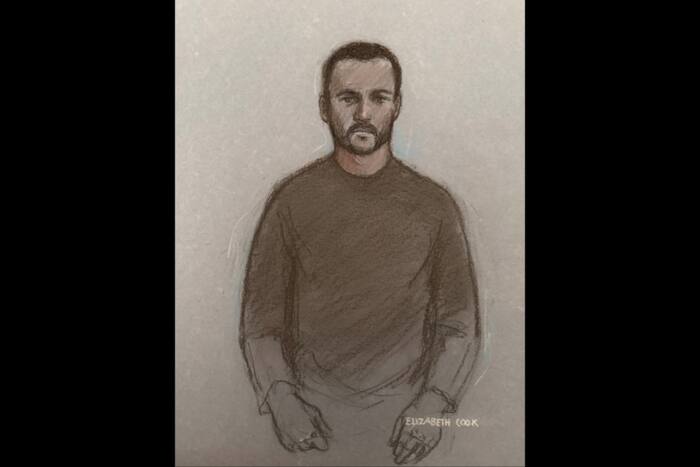
When a service member stands before a court to face allegations of espionage, the public reaction is almost always shock. How could someone who swore an oath turn their back on everything? We look at the crisp photographs, the official charges, and the solemn architecture of the courtroom, trying to find a monster.
We rarely find a monster. Instead, we find a human being who drifted by degrees, making small compromises until the shore was entirely out of sight.
The mechanics of intelligence gathering have shifted away from the cinematic trench coats of the twentieth century. Today, information is currency, and digital footprints are tracked, analyzed, and exploited by state actors who specialize in finding the exact point where personal vulnerability intersects with professional access. They do not need to steal the keys to the kingdom if they can convince someone on the inside to leave a side door unlocked.
The Cost of the Breach
The immediate fallout of such a case is measured in security reviews, damaged alliances, and urgent briefings in high-security conference rooms. Officers pore over logs, communications, and access histories, looking for the gaps.
But the true cost is harder to quantify. It settles in the mess decks and the wardrooms.
Trust is the currency of the armed forces. When an individual violates that trust, the atmosphere shifts. The colleague you shared a coffee with yesterday becomes an object of sudden, painful scrutiny. Questions linger in the air. Who else knew? Could I have seen the signs? The suspicion eats away at the camaraderie that makes high-stress environments survivable.
This is the hidden devastation of modern espionage. It is not just about the data transferred or the secrets compromised; it is about the erosion of the internal bond. It forces an institution to look inward with a cold, suspicious eye, questioning the very people it relies upon to keep watch while the rest of the world sleeps.
Facing the Gray
We crave black-and-white narratives. We want heroes and villains, absolute loyalty and absolute treachery, cleanly separated by lines of law and duty.
Reality refuses to cooperate. Human beings are complex, fragile, and susceptible to the quiet pressures of isolation and temptation. Acknowledging this does not excuse betrayal; rather, it demands a more rigorous, empathetic approach to how we protect our institutions. True security requires looking after the minds and well-being of the people who bear the weight of the state on their shoulders.
The courtroom doors will close. The legal briefs will be filed, and the headlines will drift away toward the next cycle of breaking news.
Out on the open water, however, the ships keep moving. The watch continues, hour after long hour, through the blackness of the night, driven forward by the quiet majority who still believe that some things are worth keeping safe, no matter how heavy the uniform becomes.


