Traditional litigation over medical malpractice usually destroys relationships, drains financial resources, and drags on for years. If you have ever looked into how long formal complaints take to wind through official channels, you know the system is broken. Government figures show that the city's Medical Council processed over 8,700 medical complaints between 2000 and 2025. The average timeline from the initial receipt of a case to its final conclusion stood at a grueling 27 months. That is more than two years of emotional purgatory for patients and practitioners alike.
Hong Kong is changing that dynamic by launching its first dedicated online healthcare dispute resolution platform. The Healthcare Dispute Resolution Centre (HDRC) rolled out its upgraded digital system to cut through procedural red tape. Instead of defaulting straight to the courtroom or lengthy administrative inquiries, this initiative provides a confidential channel for mediation and arbitration.
How the New Platform Works
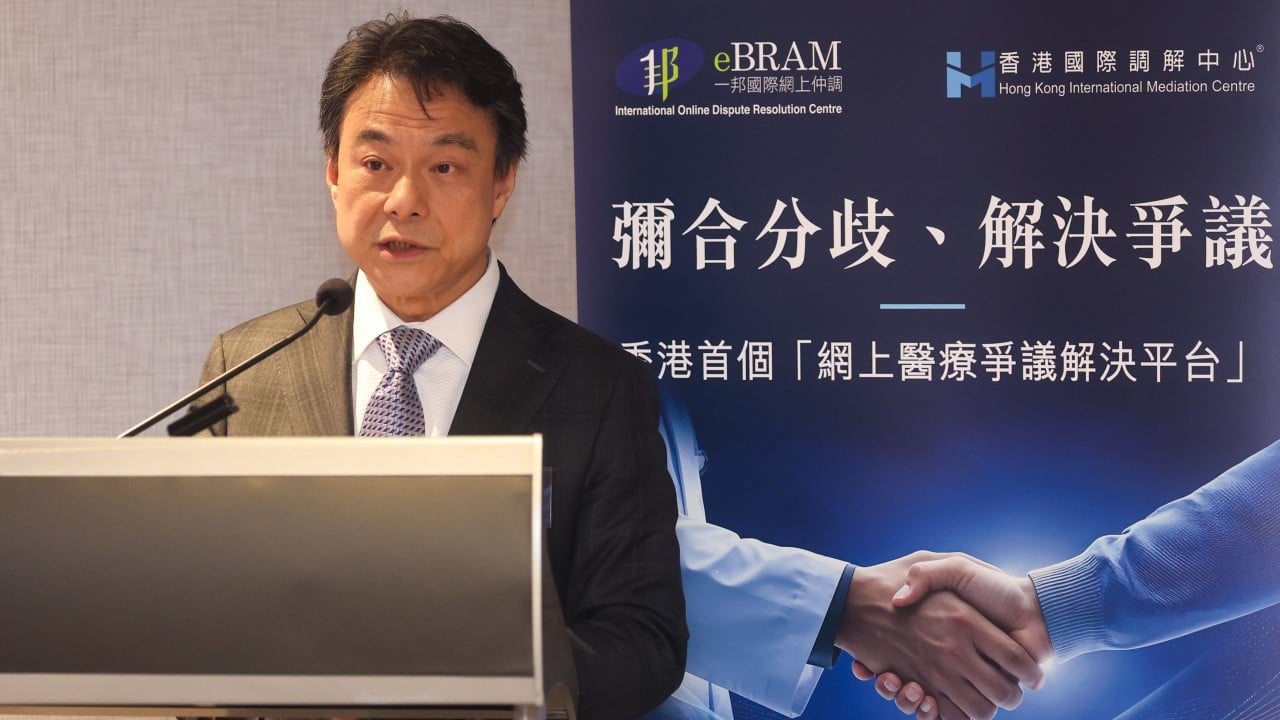
The newly revamped HDRC website doesn't operate in a vacuum. It relies on strategic partnerships with the Hong Kong International Mediation Centre (HKIMC) and eBRAM, a prominent local online dispute resolution service provider. By combining legal technology with specialized medical and legal expertise, the system aims to resolve conflicts before they escalate into full-blown legal wars.
Medical conflicts are inherently different from standard commercial disputes. They involve complex clinical knowledge, deep emotional distress, and sensitive personal histories. HDRC Chairman Samuel Kwok Po-yin noted during the launch that the platform builds a vital communication bridge between healthcare providers and patients. Rather than treating every disagreement as an adversarial combat sport, the framework uses professional mediators who speak the language of both medicine and law.
The Regional Ambition
While the immediate focus is local harmony, the long-term vision spans much further. Operators have designed the infrastructure to eventually handle cross-boundary cases. HKIMC Chairman Francis Law Wai-hung pointed out that Hong Kong possesses a much more clearly defined framework in mediation than many surrounding jurisdictions.
The plan is to extend this professional expertise outward into the Guangdong-Hong Kong-Macao Greater Bay Area and eventually overseas. Ko Wing-man, a member of the city's Executive Council and a former health chief, emphasized that individual efforts to ease doctor-patient tensions have historically faced severe limitations. Having an institutionalized, tech-backed platform changes the scale entirely.
Practical Takeaways for Patients and Providers
If you find yourself navigating a healthcare disagreement in Hong Kong, you no longer have to rely exclusively on protracted council investigations or expensive lawsuits.
- Check eligibility early: Look into whether your specific dispute qualifies for the HDRC mediation track before filing formal litigation.
- Emphasize communication: The core premise of the platform is structured dialogue. Gather your medical records, objective timelines, and clear questions rather than emotional grievances.
- Leverage digital infrastructure: Use the official eBRAM-backed online interface to submit documents securely and speed up case matching.
Mediation won't erase the pain of a medical error or a tragic outcome, but keeping cases out of multi-year court queues helps both sides find closure faster.