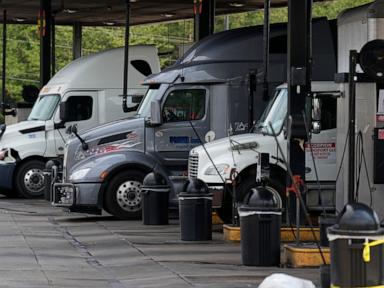
When the price of diesel climbs past six dollars a gallon in rural strongholds, political calculations change overnight. Farmers in the heartland and independent truckers moving freight across state lines didn't need a polling firm to tell them the economy was breaking down. They saw it every single time they filled a tank.
Energy shocks have a nasty habit of rewriting elections. As the 2026 midterms approached, soaring fuel costs became an unmanageable anchor for Republican candidates. Voters sitting around kitchen tables were forced to choose between filling up their work trucks or paying for other basic necessities, and the frustration translated directly into a sharp rebuke at the ballot box.
The Foreign Policy Blowback Hits the Pump
The root of the pain traced directly back to mounting geopolitical tensions and the ongoing conflict involving Iran. Crude oil prices spiked dramatically after hostilities broke out, vaulting from under seventy dollars a barrel to near ninety-nine dollars almost overnight. Because diesel is the absolute lifeblood of heavy industry, agriculture, and logistics, any jump in crude hits distillate fuels harder and faster than standard gasoline.
For months, the administration attempted to downplay the economic fallout, insisting that market corrections were just around the corner. But energy experts pointed out the obvious math. Trade restrictions and supply chain disruptions meant that relief valve measures, such as tapping limited foreign fuel pools, offered virtually zero tangible impact for domestic consumers. Ed Hirs, an energy fellow at the University of Houston, put it bluntly when evaluating administrative stopgaps, noting they provided no meaningful correction to supply constraints.
Why Heartland Voters Turned Fast
The political fallout hit conservative-leaning areas hardest because rural livelihoods depend entirely on heavy machinery. Independent farmers heading into harvest season faced a punishing combination of high fertilizer costs and six-dollar diesel.
In states like Iowa and Kansas, long considered safe territory for the GOP, town hall meetings turned hostile. Growers stood up in local coffee shops to explain that their profit margins had completely evaporated. When a family farm faces insolvency because operating expenses double in a single season, abstract political loyalty fades fast.
Voters who had backed conservative candidates three times over suddenly felt abandoned. They argued that foreign policy miscalculations and unchecked trade tariffs were directly eating away at their disposable income. Instead of hearing concrete solutions, constituents felt like Washington politicians were looking the other way.
The Aftermath and the Road Ahead
The midterm results delivered a sweeping wake-up call, giving Democrats control of Congress in an election cycle defined almost entirely by cost-of-living anxieties. Post-election analysis within Republican circles highlighted a simple truth: ignoring persistent inflation and energy spikes carries a heavy electoral price.
Even as wholesale oil prices began to cool down slightly following post-election market shifts, the damage was already done. Lawmakers heading into the new legislative session face an electorate that has zero patience for economic excuses. High fuel costs proved that no political brand is immune when the price of keeping the country moving gets out of reach.
For a closer look at how petroleum markets reacted to the shifting political landscape, check out this analysis on fuel prices dropping after midterm elections. This video breaks down the wholesale petroleum shifts tracked by market analysts immediately following the vote.