You can't talk about British security right now without addressing the chilling reality of what happened in northwest London on April 29, 2026. The streets of Golders Green, a neighborhood deeply rooted in Jewish life, became a crime scene. Two Jewish men, Shloime Rand, 34, and Norman Shine, 76, were targeted and stabbed in broad daylight. Now, the legal clock is officially ticking.
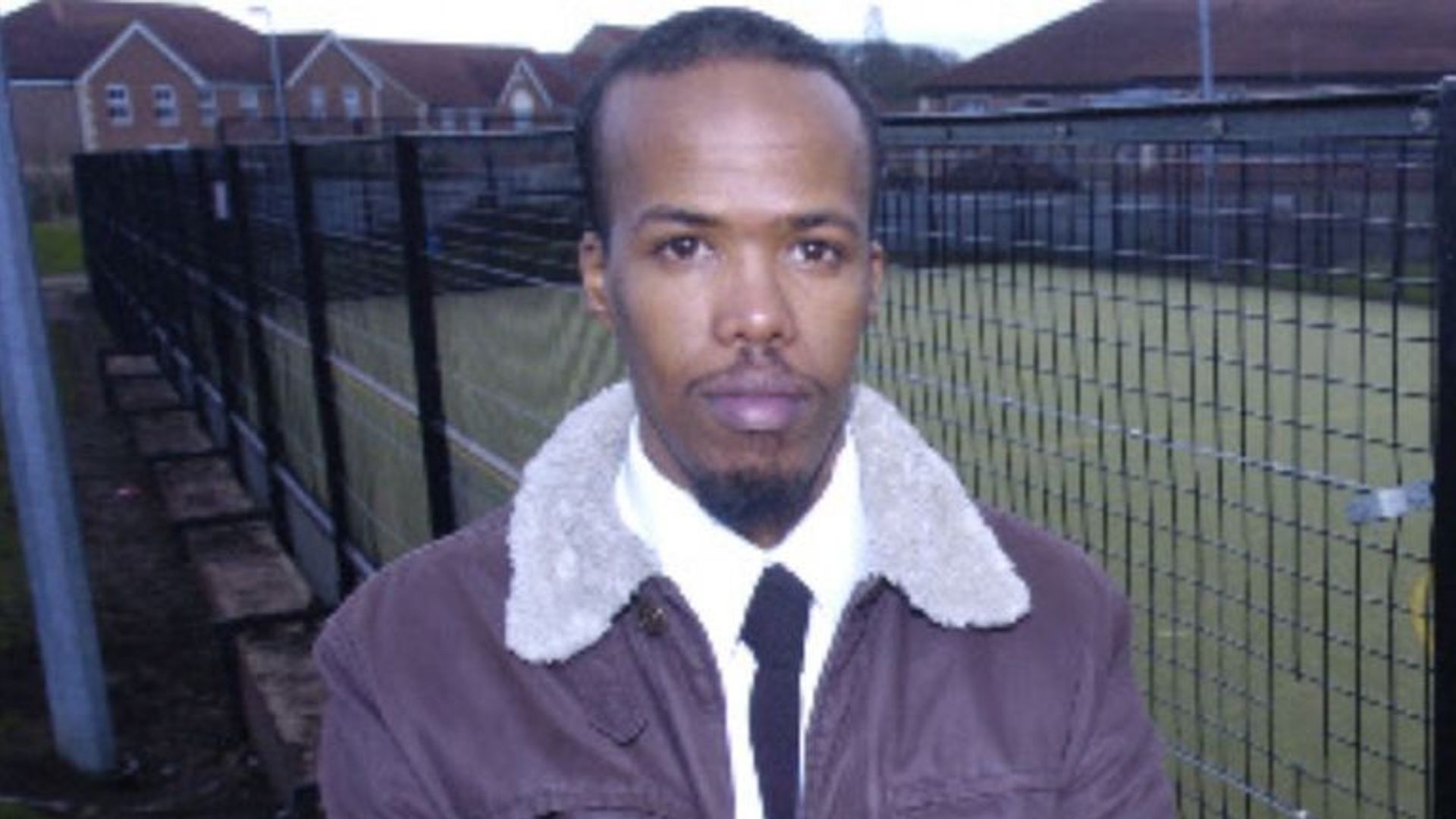
Essa Suleiman, the 45-year-old suspect, recently appeared at the Old Bailey. The court set his trial date for March 1, 2027. He faces four brutal charges: three counts of attempted murder and one count of possessing a bladed article. He didn't enter a plea, and he'll stay behind bars until the trial kicks off.
But if you think this is just another standard court report, you're missing the bigger, much more alarming picture. This case isn't just about a trial date next year. It's a flashing red light for the UK's entire counter-terrorism and mental health apparatus.
The Timeline of a Double-District Attack
The public narrative surrounding Suleiman heavily focuses on Golders Green, but the violence actually started hours earlier on the other side of London.
At around 8:00 AM on April 29, Suleiman allegedly buzzed into a flat on Great Dover Street in Southwark, south London. The resident, Ishmail Hussein, was a man Suleiman had known for roughly two decades. Without warning, Suleiman allegedly lunged at Hussein with a black-handled knife, targeting his upper body. Hussein managed to fight back, surviving with minor injuries.
From there, the suspect boarded public transport. He traveled clear across London, arriving at Brent Cross tube station and heading into the heart of Golders Green by 11:00 AM.
Within twenty minutes, panic gripped Highfield Avenue. Suleiman allegedly chased and stabbed Rand, then moved to a nearby bus stop to repeatedly attack Shine. The Metropolitan Police quickly declared it a terrorist incident, stating the attacker went out specifically targeting "visibly Jewish" individuals.
The chaos only ended because local community members and Shomrim volunteers stepped up. A bystander managed to briefly barricade the attacker inside a greengrocer's shop. When the suspect broke free, a Shomrim volunteer used their car to block his escape path. Suleiman allegedly tried to stab arriving police officers before being tasered and tackled to the ground by another volunteer.
The Institutional Failure Hidden in the System
When an incident like this occurs, the immediate question is always: How did this person slip through the cracks? In Suleiman's case, he didn't just slip through. He virtually walked right through the front door of the state's security systems.
Suleiman was born in Somalia, arrived in the UK as a child in the early 1990s, and later became a British citizen. He wasn't an unknown entity to law enforcement. Met Commissioner Mark Rowley confirmed that Suleiman had a history of serious violence, drug use, and severe mental health struggles. In fact, at the time of the attacks, he was under the care of the South London and Maudsley NHS Foundation Trust, living in supported accommodation meant for individuals transitioning out of secure psychiatric hospitals.
More damning is his history with Prevent, the government's official anti-radicalization scheme.
Suleiman was referred to Prevent in 2020. The system evaluated him, decided he didn't pose a terrorist threat, and closed his file within six weeks.
This isn't an isolated mistake. It highlights a massive flaw in how the UK handles the intersection of violent crime, severe mental illness, and ideological radicalization. Prevent relies heavily on voluntary compliance and community referrals. When a system closes a violent individual's file in less than two months, it's clear the assessment criteria are failing to grasp long-term risks.
Geopolitical Shadows and Domestic Discord
Adding another layer of complexity to the upcoming 2027 trial is the geopolitical undercurrent. Following the stabbings, the UK government elevated the national terror threat level to severe. While officials claimed the increase wasn't solely due to the Golders Green incident, the timing is impossible to ignore.
A shadowy, Iran-linked group named Harakat Ashab al-Yamin al-Islamia claimed responsibility for the attack online. Security experts suggest the group acts as a front for Iran's Islamic Revolutionary Guard Corps (IRGC), which increasingly outsources domestic terror operations to local criminals in Western countries to maintain plausible deniability. Just two days prior to the stabbings, a local memorial in Golders Green dedicated to Iranian protestors and Israeli victims of the October 7 Nova festival massacre was hit by arson.
While a direct physical link between Suleiman and Tehran has not been legally verified, the radicalization pipeline remains a primary focus for counter-terrorism investigators.
Meanwhile, the political fallout at home has been messy. Green Party leader Zack Polanski faced fierce backlash and was forced to apologize after tweeting "in haste" to criticize the police response while the attack was still unfolding. Commissioner Rowley openly criticized political figures for spreading misinformed commentary that interferes with operational policing.
What Happens Between Now and March 2027
We're looking at a long wait for legal justice. A ten-month gap before a high-profile trial is standard for the Central Criminal Court, given the sheer volume of digital, forensic, and psychiatric evidence prosecutors need to assemble.
Between now and March next year, the Crown Prosecution Service (CPS) Special Crime and Counter Terrorism Division will be building an airtight case. They have to prove intent for three separate counts of attempted murder while navigating what will undoubtedly be a complex psychiatric defense.
If you are living or working in communities affected by these events, vigilance and communication are your best immediate tools. Ensure you're plugged into local safety networks like Shomrim or Community Security Trust (CST) updates, and don't hesitate to report anomalous behavior to local authorities. The legal system moves slowly, but community awareness operates in real-time.