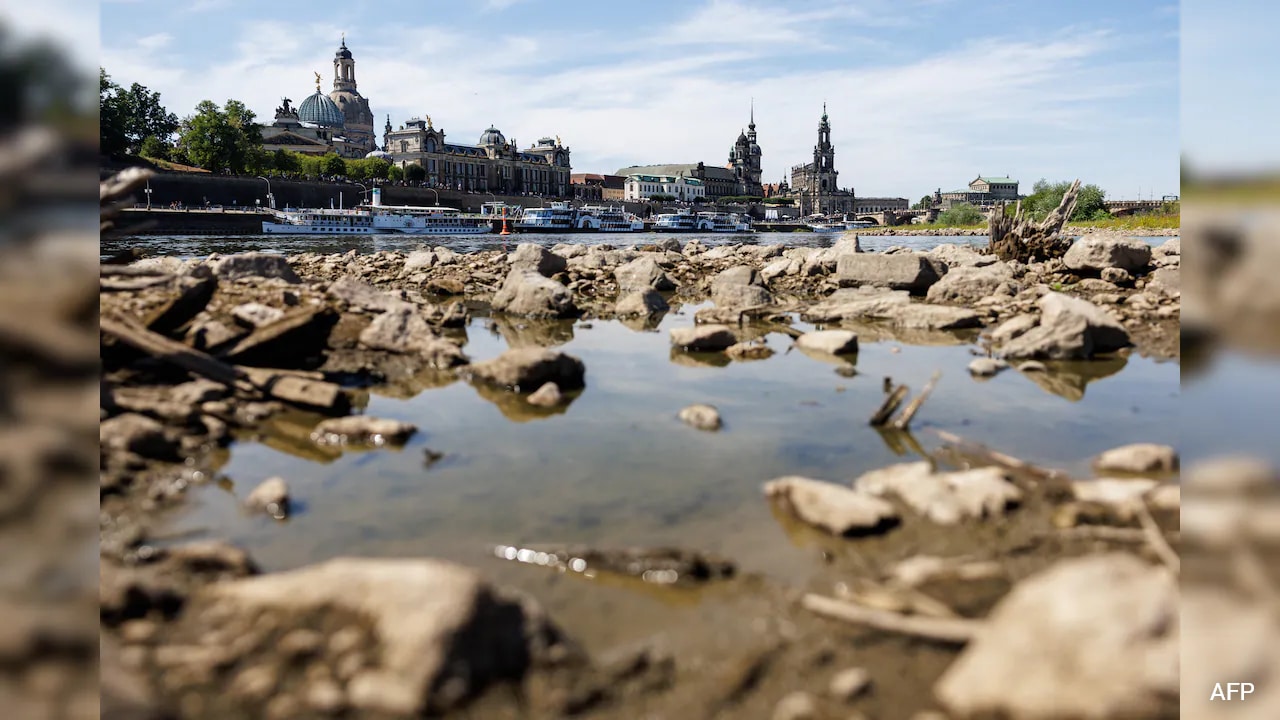
Summer used to mean a pleasant escape to the park or a breezy afternoon beer in Berlin. Now, it means waiting for the next lethal heat dome to settle over central Europe. Official data released by the Robert Koch Institute reveals a staggering toll: 16,300 heat-related deaths across Germany during the severe summer heatwaves.
Let that number sink in. It shatters previous modern records, blowing past the 8,900 deaths tracked during the notorious 2018 drought. We aren't talking about distant weather anomalies happening on another continent. This is happening right now in Western Europe, and the infrastructure is buckling.
The Deadliest Weeks of the Season
The crisis didn't creep up slowly; it hit in brutal, concentrated spikes. The public health authority notes that a massive share of these fatalities—roughly 9,600—occurred during a single blistering week in late June. Temperatures surged past 40 degrees Celsius in multiple regions, turning apartments and nursing homes into ovens.
When you look at who bears the brunt of these scorching temperatures, the demographics are stark. The overwhelming majority of victims are individuals over the age of 75. Older adults struggle to regulate their body temperatures, and heat quickly exacerbates underlying cardiovascular, pulmonary, and kidney conditions.
Public health models rely on statistical comparisons between normal summer baselines and mortality spikes during heatwaves. Even with these conservative models, the reality is grim. Consecutive days without nighttime cooling mean the human body never gets a chance to recover.
Why Urban Planning is Failing Residents
Cities like Frankfurt, Munich, and Berlin are built out of stone, asphalt, and concrete. These materials absorb solar radiation all day and reradiate it long after sundown. Urban heat islands trap residents in a cycle of relentless warmth.
Environmental groups like Environmental Action Germany have openly criticized the federal response, calling current strategies irresponsible. Critics point out that officials are simply tinkering with the symptoms instead of redesigning urban spaces. Planting more urban trees and unsealing paved, heat-retentive surfaces are no longer aesthetic choices; they are survival requirements.
Chancellor Friedrich Merz's cabinet has faced mounting pressure over climate adaptation. While billions flow into long-term infrastructure and climate protection funds, critics argue that local municipalities lack immediate, actionable support to retrofit nursing homes, schools, and public housing with mandatory cooling systems.
What Actually Works When Temperatures Spike
Waiting for the government to overhaul city planning won't save vulnerable family members today. If you have elderly relatives or neighbors living alone, traditional advice needs an upgrade. Fans do little more than blow hot air around when ambient temperatures cross 35 degrees Celsius.
Real protection requires active intervention. Cool wet towels, cross-ventilation only during the dead of night, and smart hydration save lives. Municipalities need to open air-conditioned public cooling centers that are actually accessible by public transit for seniors.
Governments must treat extreme heat waves with the same emergency urgency as floods or severe winter storms. Until local authorities mandate passive cooling standards for residential buildings, the death toll will continue to climb every time a high-pressure system parks over Europe.