You're probably looking at your grocery receipt and wondering when the bleeding stops. We’ve been told for months that geopolitical tension in the Middle East, specifically involving Iran, is the primary engine driving up the cost of everything from bread to beef. It’s a convenient narrative. It’s also half-true. The reality is much grimmer for your wallet. Even if every missile stayed in its silo and a total peace treaty was signed tomorrow morning, the prices you see at the supermarket aren't going back to 2022 levels.
Farmers are stuck. They've already swallowed the massive overhead of high-cost fuel, fertilizer, and logistics during the planting season. Those costs don't vanish just because a conflict cools down. Agriculture operates on a lag. The loaf of bread you buy today was "paid for" by a farmer six to nine months ago when global markets were at their most volatile. You’re currently paying for yesterday’s chaos, and the bill for today’s uncertainty hasn't even arrived yet.
The Lag Effect and Why Your Grocery Bill Is Sticky
Economists call it "downward price stickiness." It’s a fancy way of saying prices go up like a rocket but come down like a feather. In the agricultural sector, this isn't just greed—it's math.
When the threat of war with Iran spiked energy prices, the cost of producing nitrogen-based fertilizers went through the roof. Natural gas is the primary feedstock for these fertilizers. If you’re a corn or wheat farmer, you can't just wait for the war to end before you plant. You buy your inputs when you need them.
Think about a typical mid-sized farm. They might have spent 40% more on fuel and 60% more on fertilizer this season compared to three years ago. They’ve already spent that money. It’s "sunk." To stay in business, they have to recover those costs when they sell their harvest. If the market price for grain drops because peace is announced, the farmer doesn't suddenly get a refund from the chemical company or the fuel station. They just lose money.
Many small-scale operations are already operating on razor-thin margins. They can't afford to absorb the hit. They’ll pass it to the processors, who pass it to the retailers, who pass it to you. That chain is long. It’s slow. It doesn't care about today's headlines.
Energy Is Only Part of the Problem
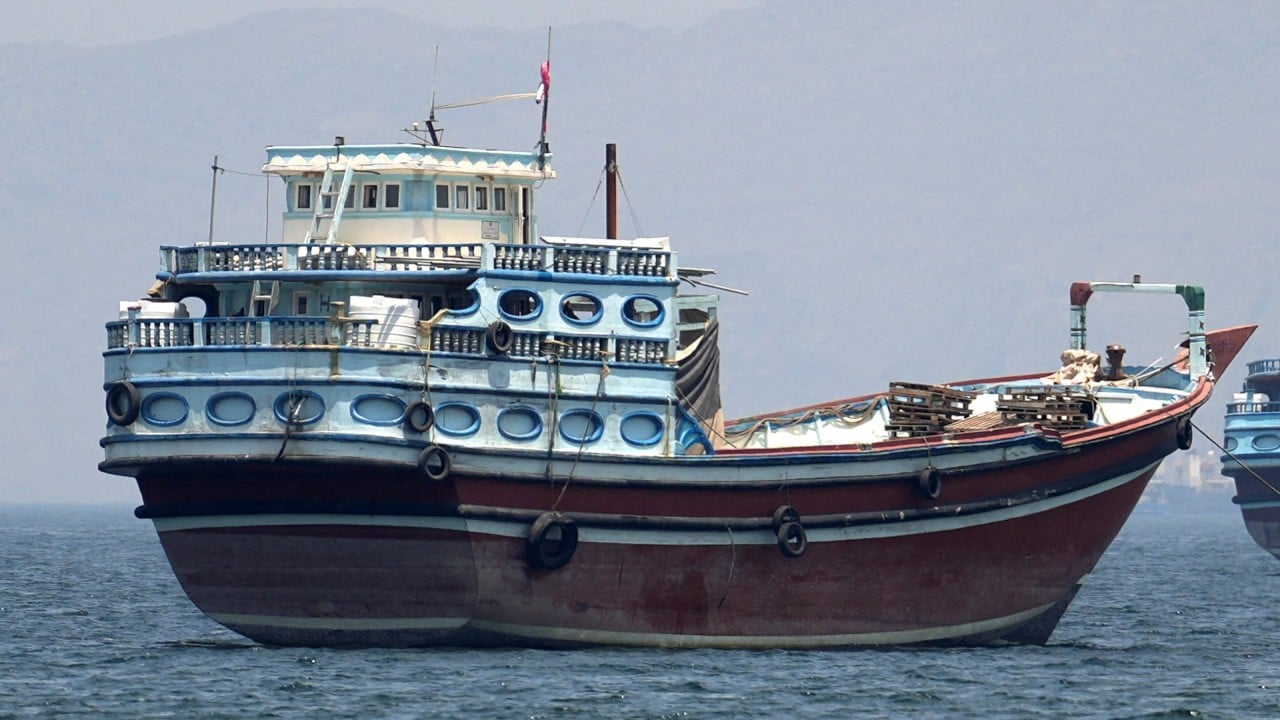
Everyone focuses on the Strait of Hormuz. Sure, it's a vital artery for global oil. If Iran closes it, shipping costs explode. But focusing only on the "war premium" ignores the structural rot in the global supply chain.
We’ve seen a massive shift in how shipping insurance works. During active conflicts or even periods of high tension, the "war risk" premiums for cargo vessels don't just disappear the moment a ceasefire is called. Insurance companies are notoriously slow to adjust their risk models. They want to see months of stability before they lower rates.
Shipping companies have also rerouted their fleets. This adds thousands of miles to journeys. Longer routes mean more labor hours, more wear and tear on ships, and more fuel burned. Once a shipping line establishes a new, safer route, they don't always switch back immediately. It’s expensive to change logistics schedules. These inefficiencies are now baked into the price of your imported olive oil or out-of-season produce.
The Fertilizer Trap Nobody Is Talking About
Fertilizer isn't just about natural gas. It’s about global trade alliances. Iran is a significant player in the petrochemical space. The uncertainty around their exports has forced buyers to look elsewhere—often to more expensive or less efficient sources.
When a supply chain breaks, it doesn't just snap back like a rubber band. It has to be rebuilt. Companies have spent millions securing new contracts with suppliers in South America or Southeast Asia to bypass Middle Eastern volatility. These new contracts often come with higher long-term price tags.
- Input costs: Fertilizer, seeds, and equipment maintenance.
- Logistics: Freight, insurance, and storage.
- Labor: A global shortage of agricultural workers is driving wages up.
None of these three pillars are tied directly to whether or not there’s a shooting war in Iran. The war was the catalyst, but the inflation has become structural.
Why the Middleman Wins While You Lose
If you want to be angry at someone, look at the "middle of the sandwich." While farmers struggle to break even and you struggle to pay for eggs, the giant food processing and distribution companies are doing just fine.
When raw commodity prices go up, these companies raise their prices instantly. When commodity prices drop, they "observe the market." They wait. They keep their prices high to recoup losses or simply to pad their margins. It’s a classic move. They blame the "geopolitical situation" for as long as the public will believe it.
I’ve seen this happen in every major conflict over the last twenty years. The "temporary" price hike becomes the new "baseline." You get used to paying $5 for a gallon of milk, and when the underlying costs drop by 10 cents, the store keeps the change.
Climate and Debt Are the Real Long-Term Villains
Let's be honest. Even if we had world peace tomorrow, we’d still be in trouble. The Iran conflict is a convenient distraction from the fact that global crop yields are becoming less predictable.
Droughts in the American Midwest and floods in Europe are doing more to move the needle on food prices than any drone strike. Farmers are also carrying record levels of debt. Interest rates are higher than they’ve been in a generation. Financing the equipment and land needed to grow our food is getting more expensive every month.
A farmer paying 8% interest on a multi-million dollar loan for a harvester doesn't care if the price of oil in the Persian Gulf drops by $10 a barrel. Their debt service is the same. Their property taxes are going up. Their labor costs are rising because people can't afford to live on farm wages anymore.
What You Can Actually Do About It
Stop waiting for prices to "return to normal." They won't. This is the new normal. If you’re waiting for the end of the Iran war to save your monthly budget, you’re going to be disappointed.
You need to change how you shop. Buy in bulk when things are on sale, not when you need them. Look for local producers who aren't as tied to global shipping and insurance hikes. Most importantly, understand that the "geopolitical premium" is now a permanent feature of the global economy.
The link between a bomb in the Middle East and the price of a taco in Kansas is real, but it’s not a one-to-one relationship. The "war cost" is just the latest excuse for a system that was already leaning toward higher prices.
Protect your own finances. Diversify your food sources. Grow what you can. The volatility isn't a glitch; it’s the design. Don't let the headlines fool you into thinking relief is just one peace treaty away. It’s not. The costs have been passed on, and they’re here to stay.
Keep a close eye on the "Farm Gate" prices versus the "Retail" prices. When you see the gap widening, you know the retailers are pocketing the difference. That’s your signal to stop buying processed crap and go back to basics. It's the only way to vote with your wallet in a rigged system.
Stop expecting the government or the markets to "fix" this. They’ve already moved on to the next crisis. You should do the same and start budgeting for a world where cheap food is a memory of the past. It’s a tough pill to swallow, but it’s the truth. Shop smarter. Buy less. Prepare for a long, expensive road ahead. No ceasefire will change that.