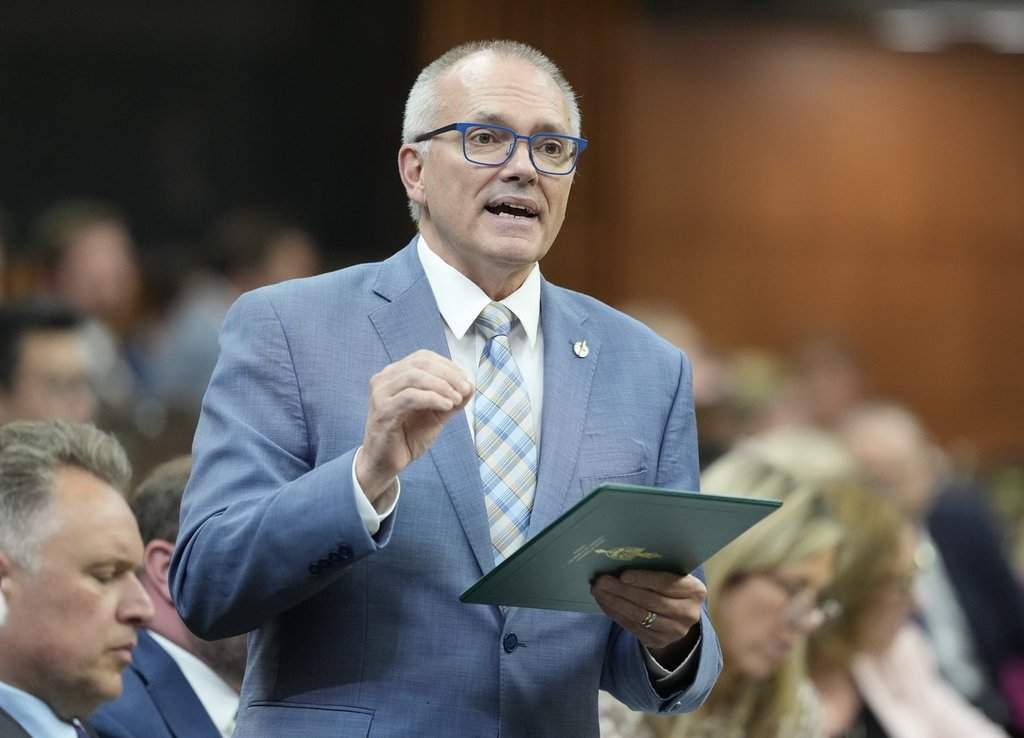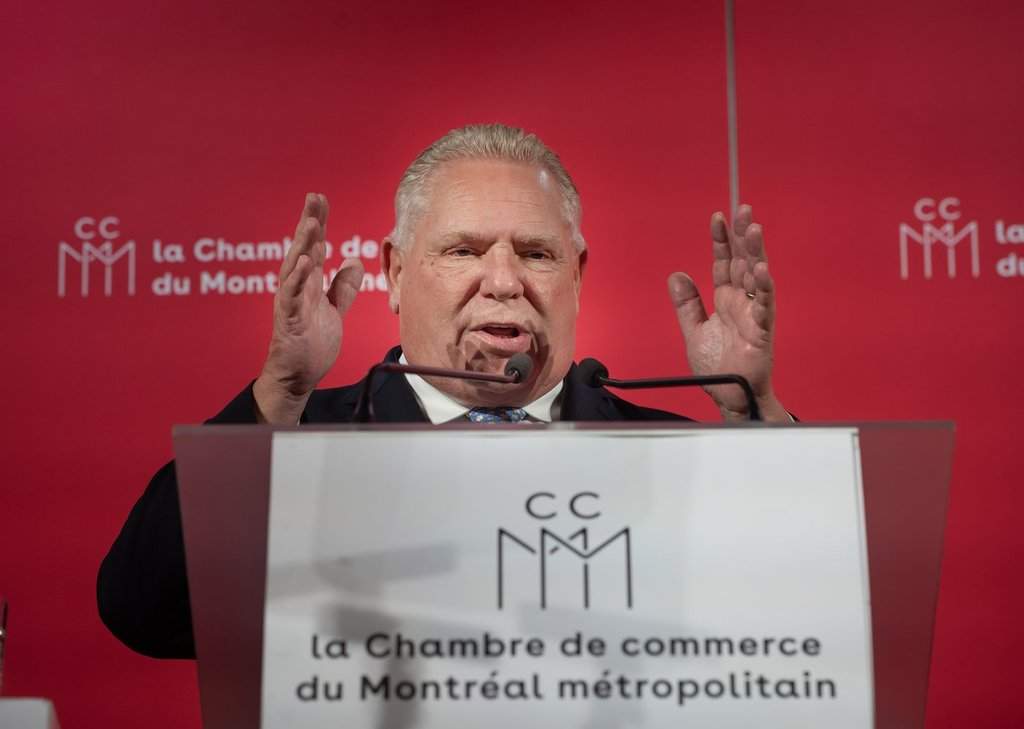
Interprovincial politics in Canada usually puts people to sleep. Honestly, most folks in Toronto barely think about provincial trade barriers until they try to buy a bottle of wine from another province, and Montrealers have plenty of their own local headlines to worry about. Yet when Ontario Premier Doug Ford stepped up to a podium in Montreal to pitch closer economic cooperation with Quebec, it wasn't just another polite diplomatic photo op.
It was a calculated survival move.
You don't need a political science degree to see why Queen's Park and the National Assembly suddenly care so much about getting along. Between shifting U.S. trade policies, aggressive green energy competition from Washington, and a sluggish domestic economy, Ontario and Quebec can't afford to act like rival islands anymore. Together, these two provinces represent well over half of Canada's entire population and the bulk of its manufacturing output. When they bicker over regulations, everyone loses money.
What Happened During Doug Ford’s Montreal Speech
Ford’s visit to Montreal centered on a straightforward message. Ontario and Quebec need to tear down internal trade walls, align their supply chains, and present a united front to the rest of North America. Speaking to business leaders, he leaned heavily into the idea that Central Canada is an economic powerhouse that punches below its weight whenever provincial red tape gets in the way.
Let's be real. Provincial premiers love talking about "free trade within Canada" because it sounds great in a press release. Actually doing it is a whole different headache.
During his remarks, Ford highlighted sectors where the two provinces already overlap—specifically electric vehicle manufacturing, critical minerals, aerospace, and clean energy. Both provinces have spent billions of dollars over the past few years trying to lure battery plants and auto manufacturers to their respective sides of the Ottawa River. Ford’s pitch in Montreal basically acknowledged a hard truth: fighting each other for every single factory isn't nearly as effective as building an integrated corridor from Windsor to Quebec City.
Why Ontario and Quebec Need Each Other Right Now
If you've watched Canadian politics over the last decade, you know the relationship between Doug Ford and Quebec Premier François Legault has had its rough patches. Language laws, hydroelectricity disputes, and Ottawa's federal transfer payments have all sparked friction. So why the sudden warmth?
Follow the money.
The American Trade Pressure
Whenever Washington sneezes, Toronto and Montreal catch a cold. With massive U.S. industrial subsidies pulling investment south of the border and constant anxiety around North American trade reviews, Canadian provinces are realizing they have zero leverage if they negotiate alone. A unified Ontario-Quebec bloc carries real weight in Washington. Separately, they're much easier to ignore.
The EV and Battery Supply Chain
Look at how electric vehicles are actually built. You can't just drop an assembly plant in southern Ontario and call it a day. You need lithium, nickel, cobalt, and clean power to process those minerals without blowing up your carbon footprint.
Quebec has massive hydroelectric capacity and rich mineral deposits in the north. Ontario has the auto manufacturing infrastructure, parts suppliers, and proximity to Detroit. Putting those two pieces together makes total sense on paper. In practice, differing provincial standards, transportation bottlenecks, and procurement rules still slow things down.
Energy Grid Realities
Ontario faces growing electricity demand as its population expands and heavy industry electrifies. Meanwhile, Quebec’s Hydro-Québec has historically been an energy juggernaut, though even Quebec is now facing tighter power surpluses than it did ten years ago. Electricity trade agreements between the two provinces aren't just nice-to-have deals anymore. They're essential for keeping industrial power rates competitive enough to stop manufacturers from packing up for Ohio or Michigan.
The Elephant in the Room Internal Trade Barriers
Everyone agrees internal trade barriers are ridiculous. Almost nobody agrees on which ones to eliminate first.
According to research from organizations like the Macdonald-Laurier Institute and the Canadian Chamber of Commerce, interprovincial trade barriers cost the Canadian economy tens of billions of dollars every year. They act like a self-imposed tariff. Think about what that looks like on the ground for a mid-sized business operating between Ottawa and Gatineau, or a construction firm bidding on projects across provincial lines.
- Credential recognition: A skilled tradesperson certified in Ontario still faces bureaucratic hoops to work legally on a job site in Quebec, and vice versa. In the middle of a housing crisis and a massive infrastructure push, making electricians or engineers fill out redundant paperwork is absurd.
- Trucking and transport rules: Variations in axle weights, seasonal road restrictions, and permitting mean a truck hauling freight down Highway 401 onto Autoroute 20 has to navigate shifting compliance rules just by crossing a provincial border.
- Procurement favoritism: Both provinces have a long habit of prioritizing local bidders for government contracts. When Quebec protects its local suppliers and Ontario retaliates with its own "Buy Ontario" rules, taxpayers in both provinces end up paying higher prices for fewer options.
Ford’s Montreal speech touched directly on cutting this red tape. Still, business owners who have heard similar promises from past premiers are right to stay skeptical until they see actual regulatory harmonization on the books.
Where the Partnership Hits Real Friction
It's easy to cheer for unity at a business luncheon. It's much harder when cultural politics and local protectionism enter the chat.
Language Laws and Business Compliance
You can't talk about doing business in Quebec without talking about Bill 96 and the province's strict French-language requirements. For Ontario companies looking to expand into Montreal or bid on Quebec contracts, navigating French-first commercial rules, signage laws, and workplace language mandates adds real operational cost. Ford has largely avoided picking public fights with Legault over Quebec's language policies—a smart political move if you want trade cooperation, even if it frustrates some Ontario business groups.
Competition for Federal Dollars
Both premiers love teaming up when it's time to demand more healthcare funding or infrastructure cash from Ottawa. That solidarity evaporates fast the moment a finite pot of federal subsidy money hits the table. Whether it's aerospace funding in Montreal or auto-sector bailouts in Oakville and Windsor, Queen's Park and Quebec City will always fight tooth and nail for their own turf first.
Hydro Pricing and Long-Term Contracts
Energy cooperation sounds great until someone has to sign a twenty-year rate agreement. Quebec wants top dollar for its clean power, especially when New York and New England are willing to pay premium rates. Ontario wants cheap, reliable electricity to keep its manufacturing sector alive. Bridging that gap takes tough negotiation, not just warm speeches.
What Businesses and Workers Should Watch Next
If you run a business, work in skilled trades, or invest in Canadian infrastructure, don't just take political speeches at face value. Watch the boring regulatory updates over the next twelve months. That's where real progress actually shows up.
- Track labour mobility agreements: Watch for specific announcements from the Ontario Ministry of Labour and Quebec's regulatory bodies regarding automatic credential recognition for construction, engineering, and healthcare workers. If those rules actually get simplified, hiring across provincial lines gets dramatically easier.
- Monitor joint procurement portals: If both governments are serious about economic integration, they'll open up public infrastructure tenders so Ontario firms can bid fairly in Quebec without setting up a shell office, and Quebec firms can do the same in Ontario.
- Pay attention to Highway 401 and Autoroute 20 corridor investments: Trade only moves as fast as the concrete and rail lines carrying it. Look for coordinated budget commitments targeting border congestion, freight rail capacity, and cross-border EV charging networks.
- Watch the tone around U.S. trade reviews: The real test of the Ford-Legault alliance won't happen in Montreal or Toronto. It'll happen in Washington. If both premiers coordinate their lobbying efforts ahead of upcoming North American trade negotiations instead of cutting side deals, you'll know this partnership has real teeth.
Political speeches fade fast once the cameras pack up, so keep your eye on the regulatory gazettes, procurement rules, and cross-border licensing reforms—because until the paperwork changes at the border, an economic union is still just talk.