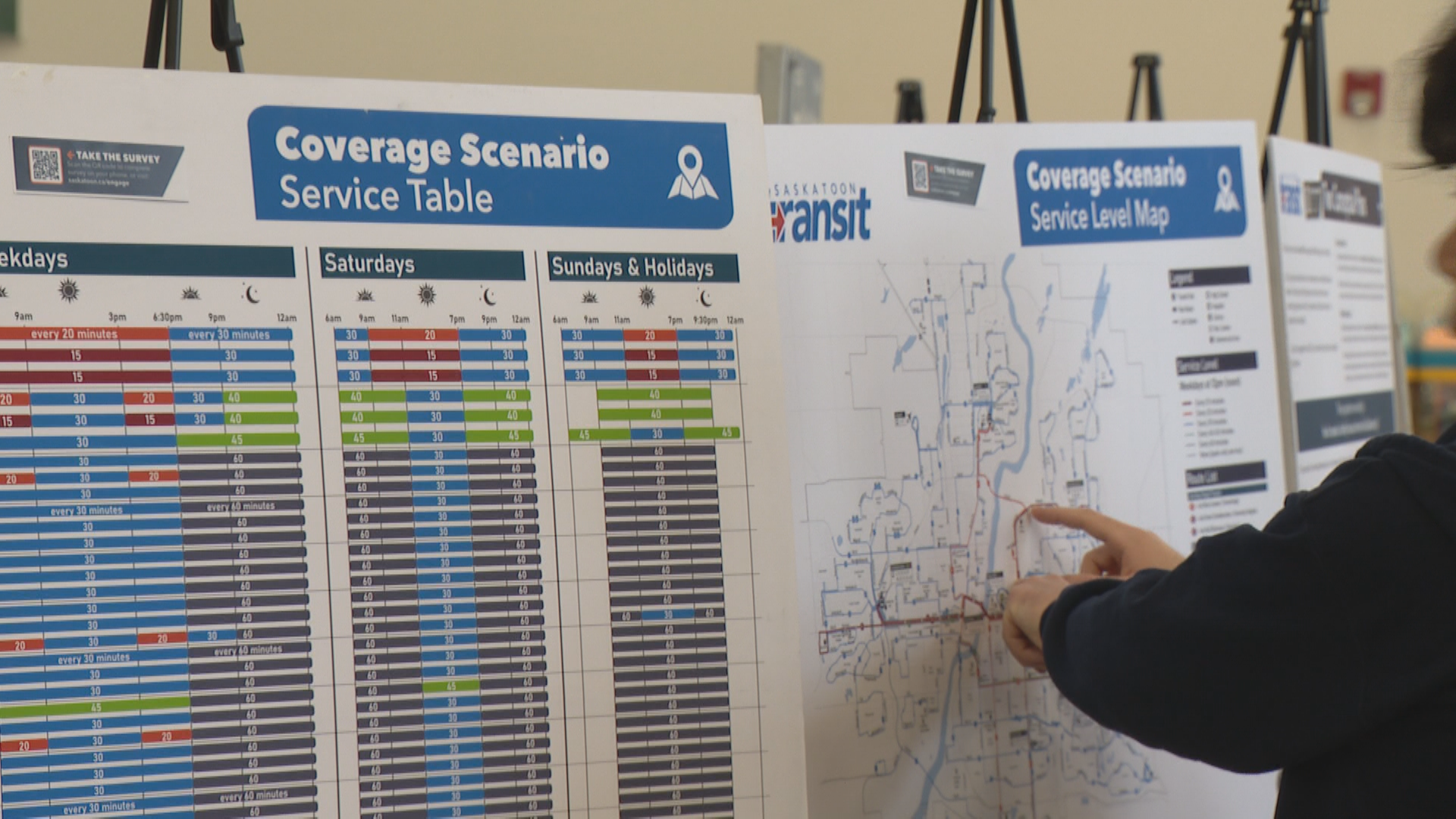
Anyone who has stood at a Saskatoon bus stop in February knows the exact feeling of watching the clock tick past a scheduled arrival time while the wind cuts right through your coat. You check the app. You check down the street. Nothing.
For years, the pitch behind Saskatoon's bus rapid transit plan—branded as Link—centered on a simple, appealing promise. Buses would show up every 10 minutes during peak periods along core corridors. No timetable memorization required. You just walk up to the station, wait a few minutes, and ride.
Now, riders across the city are asking whether that 10-minute rapid transit service promise is starting to slip before the system even gets off the ground. And honestly, they have good reason to pay close attention.
Why the 10-Minute Frequency Matters So Much
Let's be clear about something right away. Ten-minute frequency isn't just a nice perk for transit planners to put on a glossy brochure. In public transit planning, 10 to 15 minutes is widely recognized as the threshold where a bus stops feeling like an appointment and starts feeling like real rapid transit.
Think about how you use a bus when it comes every 30 or 60 minutes. If you miss it by thirty seconds, your entire morning is blown. You end up late for work, late for class, or stuck freezing on a sidewalk. So if you own a car, you drive instead.
When a bus comes every 10 minutes, the math changes completely. Even if you see taillights pulling away as you turn the corner, another bus is already a few blocks behind. That single operational benchmark—consistent, high-frequency headways—is what separates true bus rapid transit from a regular city bus with nicer shelters.
Where Riders See the Cracks Forming
Saskatoon transit riders aren't complaining out of nowhere. Anyone who rides Saskatoon Transit regularly already deals with the daily reality of service reliability, fleet maintenance pressures, and schedule adjustments. When you've spent years watching existing routes struggle with missed trips or tight connections, hearing big promises about high-frequency rapid transit naturally triggers some skepticism.
The core worry comes down to a gap between infrastructure and operations. Building heated shelters, raised boarding platforms, and transit signal priority intersections is visible work. People see concrete getting poured. They see construction crews along major streets.
Running buses every 10 minutes from early morning into the evening, seven days a week, is a completely different challenge. That requires two things that don't show up in a ribbon-cutting photo:
- Enough functioning buses in the fleet to cover peak service without leaving zero margin for winter breakdowns.
- Enough trained operators on the roster to cover every shift, sick call, and vacation block without cancelling runs.
If either of those pieces comes up short when budgets get tight at City Hall, frequency is almost always the first thing on the chopping block. You can't un-pour concrete platforms, so cities trim service hours or stretch 10-minute headways out to 15 or 20 minutes instead.
The Hidden Math Behind Rapid Transit Promises
Here's what often gets glossed over in public debates about transit projects. Capital funding and operating funding come from completely different buckets.
Federal and provincial governments love funding capital infrastructure. Ottawa and Regina will gladly chip in for buses, stations, and road upgrades because those are one-time expenses with clear physical results. Once the stations are built, though, the ongoing cost of paying drivers, buying fuel or electricity, and maintaining the fleet falls squarely on municipal taxpayers and farebox revenue.
That creates a classic trap for mid-sized Canadian cities. A city builds the physical backbone of a rapid transit network, then faces hard budget choices every fall when council debates property tax increases. Suddenly, keeping buses running every 10 minutes all day long looks expensive on a spreadsheet.
Riders understand this intuitively. They've seen how service levels get debated year after year during municipal budget sessions. When riders hear talk of phased rollouts, adjusted launch frequencies, or budget pressures around transit operations, they connect the dots fast. A "temporary" 15-minute schedule at launch has a funny habit of sticking around for years.
Why Frequency Beats Almost Every Other Upgrade
If you talk to transit riders in Saskatoon, most of them aren't demanding luxury interiors or futuristic tech. They want predictable, frequent service that gets them across the city without turning a 20-minute drive into an hour-long ordeal.
Consider what happens when a rapid transit line slips from 10-minute service to 15- or 20-minute service:
- Transfers break down. A system built around a frequent spine relies on riders transferring smoothly from neighborhood feeder routes. Double the wait time on the main line, and the whole trip slows to a crawl.
- Overcrowding spikes. Fewer buses carrying the same number of commuters means packed aisles, slower boarding times, and buses passing stops because they're already full.
- Choice riders walk away. People who have access to a vehicle will tolerate a short wait. They won't tolerate standing outside for 20 minutes in January.
Every minute added to the headway chips away at the core business case for spending millions on rapid transit in the first place. Without frequent service, dedicated stations and signal priority lose half their punch.
What Saskatoon Needs to Get Right Before Launch
The whole point of building a rapid transit network in a growing prairie city is to give residents a genuinely competitive alternative to driving everywhere. Saskatoon's population keeps climbing, traffic along major river crossings and arterial corridors isn't getting any lighter, and parking downtown or around the University of Saskatchewan isn't getting cheaper.
For the Link network to actually deliver on what riders were sold, city officials and transit planners have to treat the 10-minute frequency standard as non-negotiable rather than aspirational. That means being transparent with the public about exact launch frequencies, fleet readiness, and the operating budget required to sustain full service—not just on opening day, but three and five years down the road.
How Riders Can Hold Decision-Makers Accountable
If you rely on Saskatoon Transit or care about whether this investment actually works, don't wait until the first schedule change hits your stop to speak up.
Pay close attention to Saskatoon Transit operating budget reports presented to City Council's Standing Policy Committee on Transportation and during annual budget deliberations. Check whether projected service hours match the 10-minute peak headway commitment across the full corridor, and look specifically at launch-day service plans versus long-term targets. Contact your city councillor directly when transit operating budgets are on the agenda, and push for clear, public commitments on minimum bus frequencies before new route changes take effect.