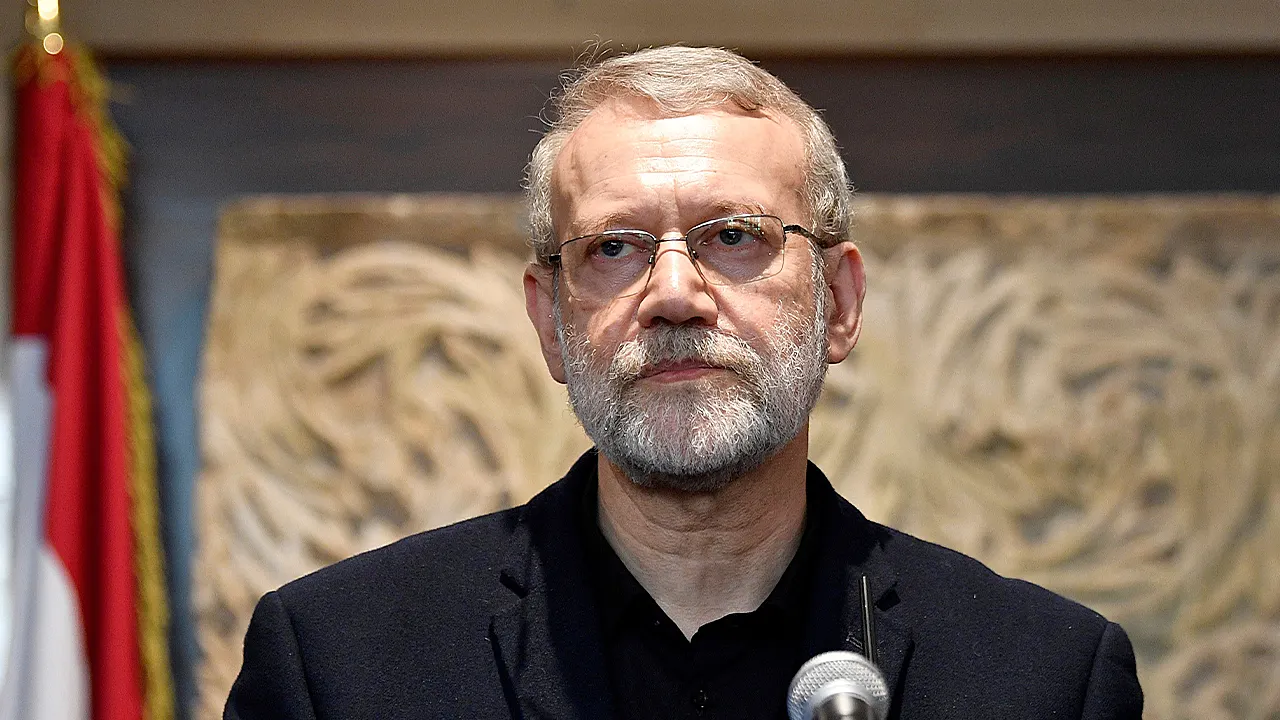
The targeted killing of Ali Larijani in a suburban Tehran airstrike has stripped the Islamic Republic of its most effective bridge to the outside world. While the Israel Defense Forces and the Pentagon characterize the strike as a "decapitation" of the regime’s security apparatus, the reality is more structural. Larijani was not just a bureaucrat; he was the primary architect of the system’s survival strategies for three decades. His death, confirmed on Wednesday by the Supreme National Security Council, effectively signals the end of the "pragmatic hardliner" era in Iranian politics.
With Larijani gone, the internal tug-of-war between the Revolutionary Guards (IRGC) and the traditional clerical establishment has collapsed in favor of the former. There is no longer a senior figure in Tehran with the standing to argue for a negotiated exit from the current war.
A Legacy of Controlled Escalation
Ali Larijani spent his career navigating the narrow space between revolutionary zeal and state survival. As the son of a Grand Ayatollah and a former IRGC commander, he possessed a unique pedigree that allowed him to speak to both the barracks and the seminaries. This made him the indispensable "fixer" for the late Ali Khamenei. When the regime needed to defend its nuclear program while avoiding a total embargo, Larijani was the man sent to Vienna or Geneva.
He understood a fundamental truth about Iranian power: it is most effective when it remains just below the threshold of a full-scale regional war. By eliminating him, Israel has removed the one person who could convince the security council to take a "tactical retreat." The current leadership, now centered around the newly appointed Supreme Leader Mojtaba Khamenei, lacks this history of diplomatic maneuvering.
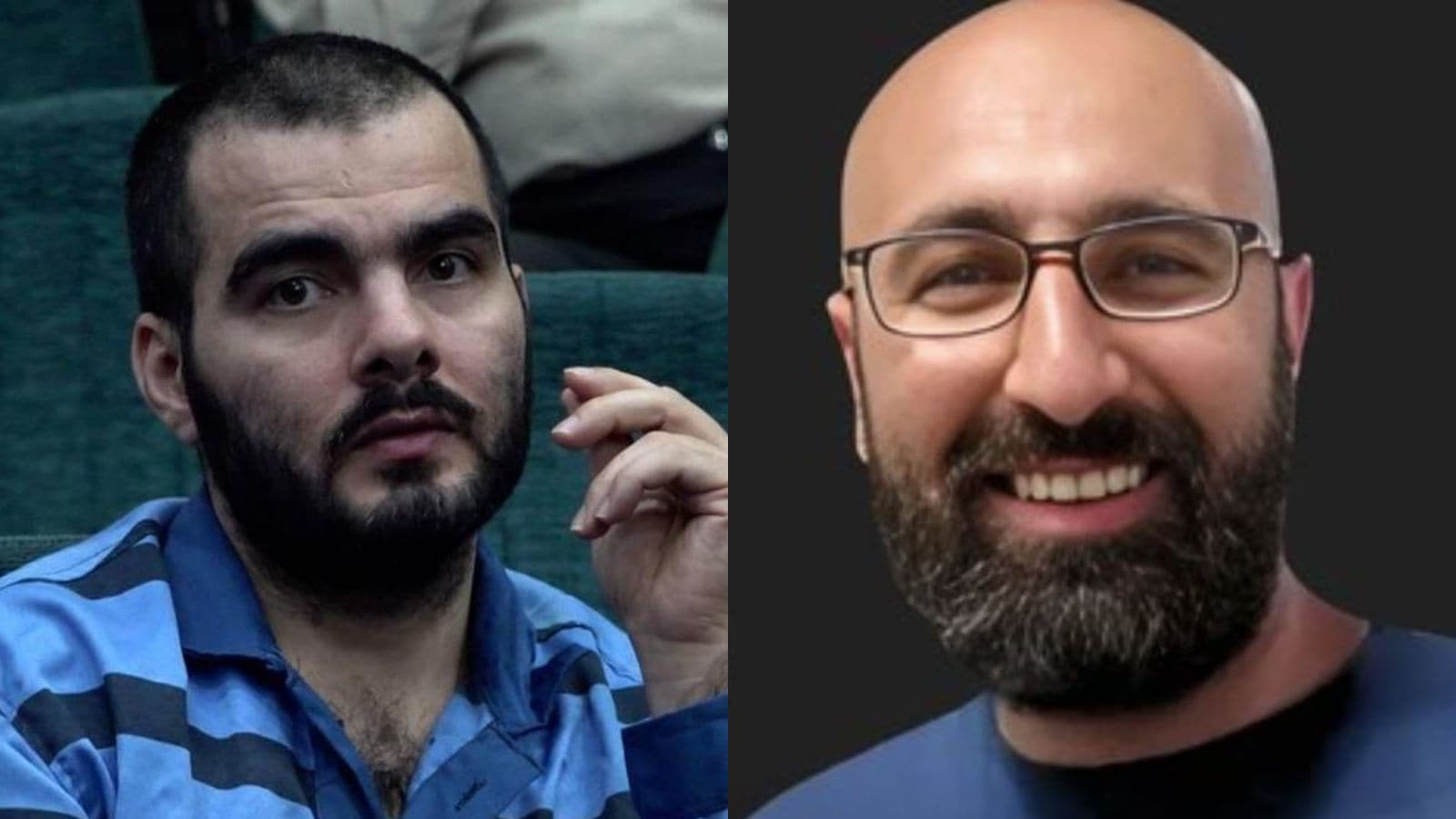
The strike also claimed the life of Larijani’s son, Morteza, and several high-ranking aides, suggesting a high level of intelligence penetration. For an airstrike to hit a private residence in the Pardis area—traditionally a "safe" zone for the elite—the attackers likely had real-time human intelligence on Larijani’s movements. This breach is a psychological blow that will likely trigger a paranoid internal purge within the IRGC's counter-intelligence units.
The Mojtaba Doctrine
Mojtaba Khamenei’s first public statement since the war began was not a call for national unity or a televised address. It was a short, sharp vow of blood for blood posted to a Telegram channel. "Criminals have to pay soon," he wrote, referring to the "martyrdom" of Larijani. This brevity reflects a leader who is either unwilling or unable to engage in the grand oratory of his father.
Mojtaba’s rise to the position of Wali-ye Faqih (Supreme Leader) following his father’s death on February 28 has been fraught with controversy. Born of a revolution that overthrew a hereditary monarchy, the Islamic Republic now finds itself ruled by a son. This "dynastic shift" is a massive gamble. To secure his position, Mojtaba has leaned heavily on the IRGC and the Basij paramilitary forces.
Larijani was reportedly one of the few veterans who could have challenged Mojtaba’s legitimacy or, conversely, stabilized his transition. Without him, the new leader is almost entirely dependent on the military wing of the state. This dependence makes a ceasefire nearly impossible, as the IRGC views any concession as an existential threat to its domestic influence.
The Regional Spillover
The conflict has moved far beyond the borders of Iran and Israel. The "attrition strategy" mentioned in recent intelligence assessments is now manifesting in attacks on global energy arteries.
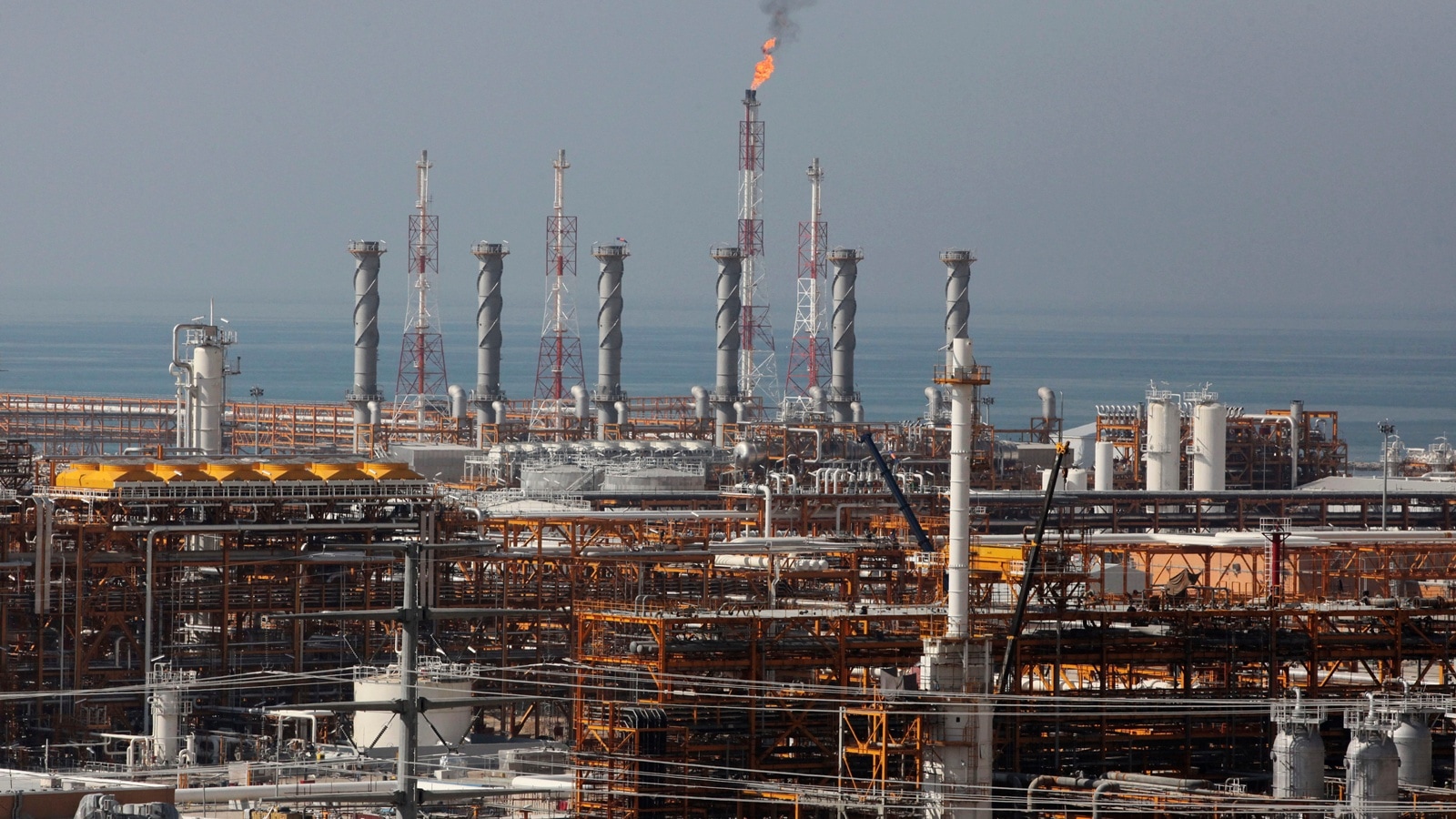
- The Strait of Hormuz: Iran has repeatedly threatened to close the world’s most vital oil transit point. Projectiles have already struck near the South Pars gas facility, and a tanker was recently targeted near the Port of Fujairah.
- Infrastructure War: The US and Israel are targeting "hardened" facilities, using 5,000-pound bunker-busters to degrade missile silos.
- Proxy Fatigue: While Hezbollah continues its rocket campaign, the Lebanese government is increasingly vocal about its desire to stay out of "other people's wars."
For years, Larijani managed these "proxy" relationships with a degree of finesse. He knew when to dial up the pressure in Baghdad to influence Washington and when to tell Hezbollah to hold its fire. His successors appear to have a more blunt approach: maximum pressure on all fronts simultaneously. This lack of nuance increases the risk of a miscalculation that could draw in the Gulf Arab states, who have so far tried to maintain a precarious neutrality.
The Collapse of the Middle Ground
Inside Iran, the atmosphere is a mix of nationalist fervor and deep-seated exhaustion. While state media portrays a nation united in grief for Larijani, reports from districts like Chitgar suggest a different story. Decades of economic mismanagement and the brutal crackdown on the January protests have left a chasm between the people and the state.
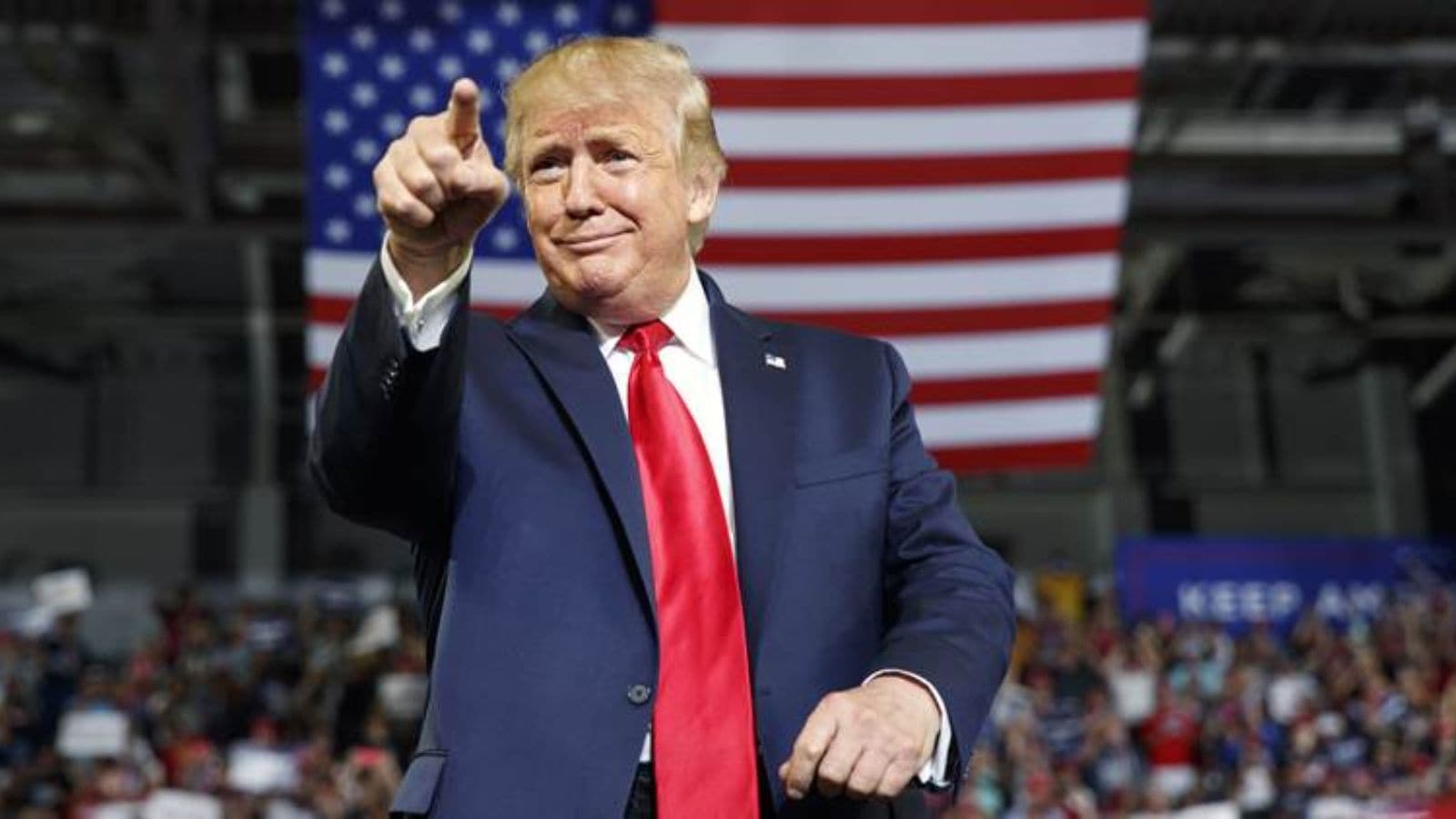
Larijani was the mastermind of many of those crackdowns, a fact that Donald Trump pointed out when he hailed the killing. The US Treasury had sanctioned Larijani for his role in suppressing dissent, and many Iranians see him not as a statesman, but as an enforcer. This internal disconnect is the regime’s greatest vulnerability. If the leadership is busy hunting for spies and mourning "martyrs," it is not addressing the collapsing currency or the burning infrastructure.
The removal of the "pragmatic" layer of the Iranian government means that any future negotiations will have to be conducted with the most radical elements of the IRGC. These are men who have spent their lives preparing for this specific war. They do not view diplomacy as a tool for peace, but as a deceptive tactic to buy time.
Verification and the Fog of War
The speed of recent events has outpaced the ability of international observers to verify the full extent of the damage. However, certain facts are indisputable. The killing of Ali Larijani, the head of the Basij Gholamreza Soleimani, and the Intelligence Minister Esmail Khatib within the same 48-hour window represents the most significant loss of institutional memory in the history of the Islamic Republic.
The system is designed to absorb losses, but it is not designed to lose its entire brain trust while simultaneously fighting a war on three fronts. The "established political structure" that Foreign Minister Abbas Araghchi touts is being tested to its absolute limit.
This is no longer a shadow war. The layers of deniability have been stripped away. What remains is a direct confrontation between a high-tech military alliance and a revolutionary state that has just lost its most seasoned navigator. The "price" Mojtaba Khamenei spoke of is being paid in real-time, but it is the Iranian state itself that may find the cost of this transition too high to bear.
Would you like me to analyze the specific impact of these leadership losses on the IRGC's command and control structure?