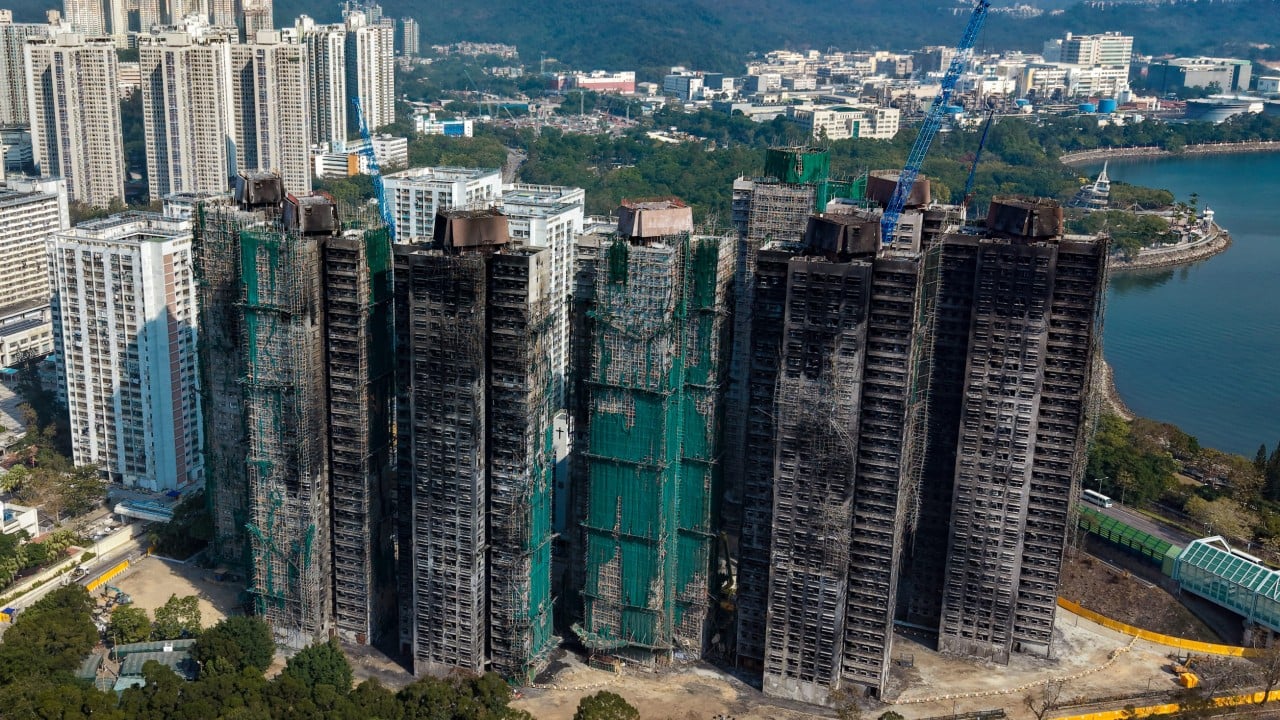
The tragedy at Tai Po was never just about a spark or a flame. It was about the slow, systemic erosion of accountability within the high-density residential structures that house millions. When management staff stood before the inquiry board to tearfully deny claims of negligence, they weren't just defending their personal actions. They were testifying for a property management industry that has grown comfortable operating in the shadows of bureaucratic indifference.
The core of the Tai Po fire hearing centers on a fundamental breakdown between technical safety protocols and human execution. While the estate management maintains that all systems were functional and their response was immediate, survivor testimonies paint a picture of confusion, silent alarms, and locked escape routes. This isn't a simple case of "he said, she said." It is a diagnostic look at how the machinery of urban safety fails when the people paid to maintain it prioritize procedure over pulse.
Tears are Not a Technical Defense
Emotional testimony often serves as a smokescreen in public inquiries. In the Tai Po proceedings, the spectacle of weeping staff members suggests a personal burden of guilt, but it does little to address the hard data of the incident. Investigative records indicate a significant delay between the initial smoke detection and the deployment of onsite emergency teams.
Property management firms in Hong Kong often operate on razor-thin margins, outsourcing security and maintenance to the lowest bidders. This creates a workforce that is technically "certified" but practically unprepared for the chaos of a high-rise inferno. When a fire breaks out in a complex with thousands of residents, a binder full of safety certificates doesn't save lives. Training does. Institutional memory does. Neither can be faked once the smoke begins to fill the hallways.
The Myth of the Automated Building
We have been sold a lie that modern fire suppression systems are foolproof. The Tai Po incident exposed the fragility of this reliance. Sensors fail. Sprinkler heads get painted over by negligent contractors. Alarms are silenced by guards tired of dealing with false positives from burnt toast.
In this specific case, the "functional" status of the fire board is under intense scrutiny. Records suggest that while the hardware was operational, the human interface—the guards responsible for monitoring the console—was effectively paralyzed. This is a common failure point in large-scale residential management. The system works, but the person watching the system hasn't been trained to believe it.
The Liability Loophole
Property management companies are masters of the liability shift. By utilizing a web of subcontractors, the primary firm can often insulate itself from direct legal fallout. If a fire door fails to close, they blame the maintenance contractor. If the contractor wasn't there, they blame the budget set by the Owners' Corporation.
This creates a vacuum where no one is truly responsible for the life-safety of the residents. The Tai Po hearing has highlighted this fragmentation. Staff members claiming they "did their best" is an admission that "their best" was restricted by a lack of resources and a culture of corner-cutting. The industry standard has become "compliance on paper," which is a far cry from "safety in practice."
The Cost of Silence
One of the most damning aspects of the Tai Po fire was the reported failure of the localized alarm system to alert residents on higher floors. In many of these aging estates, the wiring is a patchwork of decades-old copper and modern digital overlays. They don't always talk to each other.
When the management staff denies they failed to help, they are likely speaking to the specific actions they took within their narrow job descriptions. They called the fire department. They checked the lobby. But the broader failure—the failure to ensure every resident had a clear, audible warning—is a structural sin that transcends individual effort. It is a failure of the "estate management" entity as a whole.
Rebuilding the Trust Infrastructure
To prevent another Tai Po, the industry needs more than just more frequent inspections. It needs a total overhaul of how property management is valued. We treat these firms like cleaning services when we should be treating them like life-support providers.
Current regulations allow for too much ambiguity in "emergency response timeframes." We need hard, non-negotiable metrics. If an alarm triggers, a verified response must occur within seconds, not minutes. If a fire door is propped open, the fine should be high enough to hurt the management firm's bottom line, not just the resident's pocket.
Transparency is the Only Antidote
Public inquiries like the one in Tai Po usually end with a report that gathers dust on a government shelf. That cannot happen here. The families who lost their homes, and those who lost their lives, deserve a transparent audit of every property management contract in the territory.
We need to see the training logs. We need to see the maintenance records for the last five years, unedited and unvarnished. If a firm cannot prove they have conducted live-fire drills with their overnight staff, they should lose their license to operate. The emotional defense offered in court is a distraction from the cold, hard reality that safety is a commodity that was sold but not delivered.
The Vertical Fire Trap
Hong Kong's unique geography forces us to live in the sky. This verticality brings a specific set of risks that the current management model is ill-equipped to handle. The "chimney effect" in high-rise stairwells can turn a small kitchen fire into a death trap in under ten minutes.
The staff at Tai Po claimed they were overwhelmed. Of course they were. They were likely understaffed and over-matched by the sheer physics of a high-rise fire. This isn't an excuse; it's an indictment of the staffing levels authorized by the management company. You cannot manage a 40-story tower with two guards and a prayer.
Breaking the Cycle of Neglect
The industry is currently watching the Tai Po hearing with bated breath, hoping for a verdict that blames "unforeseen circumstances" rather than "systemic failure." If the board accepts the emotional pleas of the staff as a valid defense, it sets a dangerous precedent. It signals that as long as you feel bad about a tragedy, you aren't responsible for the conditions that caused it.
Real change requires moving beyond the courtroom drama. It requires residents to demand more than just the lowest monthly management fee. It requires a government that views fire safety as a fundamental human right rather than a technical box to be checked.
The buildings we live in are more than just steel and glass. They are social contracts. We pay for the assurance that when we go to sleep, the systems and people around us will keep us alive. At Tai Po, that contract was incinerated. No amount of courtroom tears will bring back what was lost, but a ruthless pursuit of the truth might stop the next tower from becoming a pyre.
Stop looking at the witnesses and start looking at the contracts. The paper trail is where the bodies are buried.