The dim glow of six monitors illuminates the face of a man named Chen. It is 4:00 PM in Central, Hong Kong. Outside his window, the city is screaming with life. The double-decker buses are grinding through traffic, and the scent of roasted goose wafts from a nearby stall. But inside the glass tower, the energy is evaporating.
Chen clicks his mouse one last time, watching the final trades of the day flicker and die. The Hang Seng Index has gone quiet. For Chen, and thousands of brokers like him, the workday is technically over. But across the ocean, the rivals are just waking up. They are hungry. They are fast. And they are staying open while Hong Kong turns out the lights.
The Cost of a Long Lunch
Hong Kong has long prided itself on being the gateway between the East and the West. It is the friction point where global capital meets Chinese ambition. Yet, for all its reputation as a high-speed financial engine, the city operates on a schedule that feels increasingly like a relic of a slower century.
While the New York Stock Exchange runs for six and a half hours without a break, and London powers through eight and a half, Hong Kong still clings to a two-hour lunch hiatus. It is a midday silence that costs billions. Imagine a factory that shuts down its assembly line every day at noon just as the neighboring factories are hitting their peak output. That is the current reality of the Hong Kong Stock Exchange (HKEX).
The argument for keeping these hours used to be about tradition and the well-being of local brokers. There was a belief that a break in the middle of the day allowed for reflection, for lunch meetings that sealed deals, and for a breath of air. But in a world where algorithms trade in microseconds and news breaks on social media at 2:00 AM, the "breath of air" has started to feel like a gasp for oxygen.
Chasing the Midnight Sun
Consider a hypothetical investor in Frankfurt or New York. They see a sudden shift in Chinese regulatory policy or a massive earnings beat from a tech giant listed in Hong Kong. They want to move. They want to hedge their bets or double down. But they look at the clock and realize Hong Kong is closed.
What do they do? They don't wait. They move their money to Singapore. They look at Tokyo. They find synthetic ways to trade the news in markets that are actually awake.
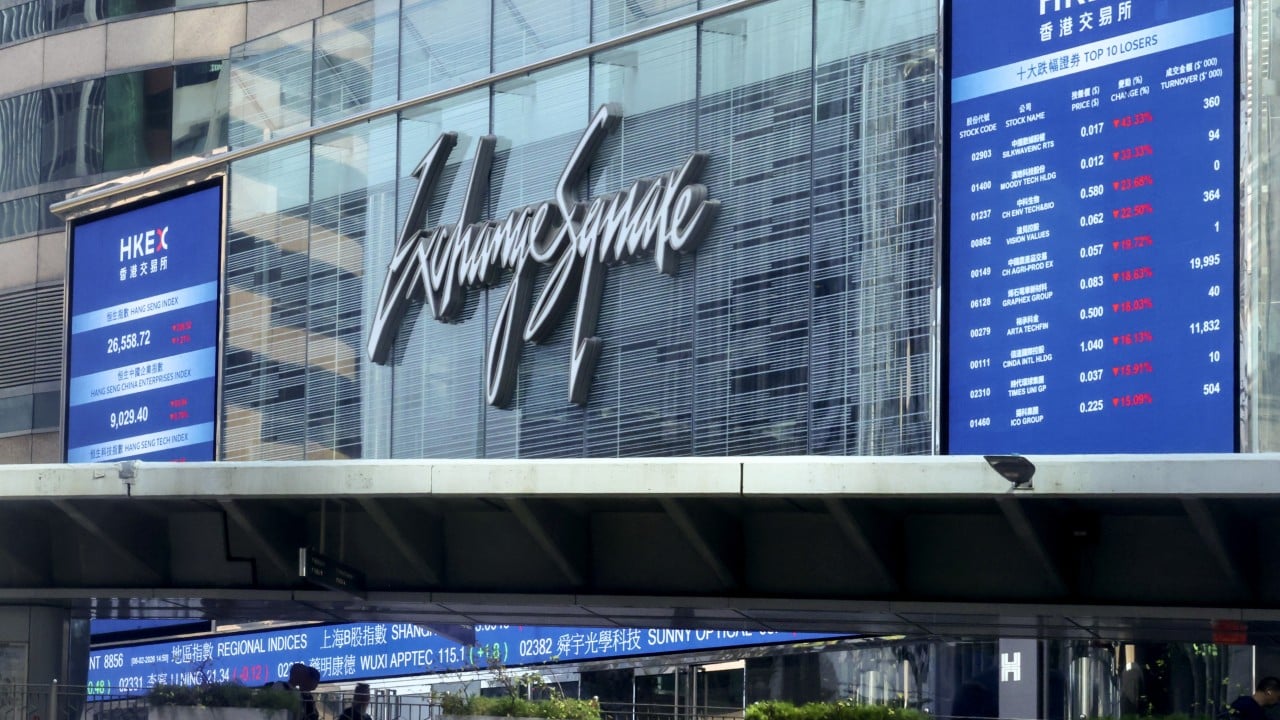
The pressure is mounting from every corner. Recently, a chorus of voices from the financial sector has grown loud enough to shake the foundations of Exchange Square. The message is simple: adapt or fade. The push to extend trading hours—and specifically to eliminate the midday break—isn't just about making more money. It is about staying relevant in a global conversation that no longer pauses for tea.
Critics of the extension often point to the mental health of the workforce. They worry that longer hours will lead to burnout. It is a valid fear. But there is a different kind of stress that comes with watching your market share erode. It is the slow-motion anxiety of seeing liquidity dry up because the rest of the world decided your "closed" sign was too much of a hurdle.
The Invisible Stakes of Liquid Gold
In the world of finance, liquidity is the blood in the veins of the city. When a market is liquid, prices are fair, trades are easy, and volatility is managed. When trading hours are short, that blood stops flowing as freely.
The gap between Hong Kong and its peers is becoming a chasm. By closing earlier than its rivals and taking that long midday nap, the HKEX is effectively shortening the window where global investors can interact with Asian assets. This isn't just a technicality for the big banks. It trickles down to the pension funds of ordinary citizens and the valuations of the companies that provide thousands of local jobs.
The city is currently facing a "liquidity drought." To fix it, the authorities are looking at a suite of changes, but extending hours is the most visible and perhaps the most symbolic. It signals a shift in mindset. It tells the world that Hong Kong is no longer a regional hub that closes at sundown, but a 24-hour player in a 24-hour game.
A Tale of Two Cities
Compare Hong Kong to its neighbor and fierce rival, Singapore. The Lion City has been aggressive. It has positioned itself as the ultra-efficient, always-on alternative. It doesn't have the same historical baggage, and it is more than happy to catch the capital that slips through Hong Kong's fingers during those quiet afternoon hours.
For Chen, the broker in Central, the change would be a shock to the system. It would mean shorter lunches. It would mean more time glued to the screens. But he knows the alternative. He has seen the empty desks in the offices next door. He has seen the volume charts that look like a mountain range being leveled into a plain.
The tension lies in the balance between human rhythm and digital reality. We are biological creatures living in a world governed by silicon. We need sleep, food, and rest. The market does not. The market is a tireless ghost that haunts every time zone simultaneously.
The Gravity of Change
The government and the exchange leadership are standing at a crossroads. They have been urged by task forces and industry bodies to pull the lever and keep the lights on longer. It is a decision that involves more than just changing a few lines of code or updating a website. It involves changing the culture of a city.
Hong Kong has always been a place of reinvention. It went from a fishing village to a colonial outpost to a global financial titan. Each of those transitions was painful. Each required a sacrifice of the old way of doing things to make room for the new.
If the city extends its hours, it isn't just about competing with London or New York. It is about acknowledging that the "Old World" of finance—where things stopped for lunch and people went home at 5:00 PM—is dead. We are now living in the era of the permanent present.
Chen stands up and stretches. He looks out at the harbor, where the Star Ferry is cutting a white line through the green water. The ferry still runs on a schedule. It is predictable. It is charming. But the money moving through the cables beneath the water doesn't care about the ferry. It doesn't care about the sunset. It only cares about the next trade.
The city is holding its breath, waiting to see if it will finally decide to stop sleeping while the rest of the world is wide awake.
The screens remain dark for now, but the silence feels heavy, pregnant with the realization that the next time they turn on, they might stay on until the stars are the only things left glowing over the Peak.